

Have you ever eaten something that seemed perfectly healthy, only to spend the rest of the day bloated, exhausted, itchy, or running to the bathroom? Maybe your joints ached for a few days after pizza night, or perhaps that innocent-looking smoothie left you wanting to plunge headfirst into the couch for a nap.
Food reactions are incredibly common, yet they are also complicated. Some people spend years eliminating foods, switching to gluten-free foods, or avoiding dairy without understanding why they can’t get fully better. Sometimes it ruins a person’s relationship with food. They start to fear food, believing it is making them sick. They can’t enjoy eating anymore. They may feel they are “reacting to everything,” and they have to get by on a painfully limited diet of chicken, rice, and sweet potato. These are real pain points for practitioners and patients.
The good news? Food reactions are not a life sentence. There are underlying causes that can be identified and addressed using an integrative and functional medicine approach. New findings in immunology, the microbiome, and the gut barrier are emerging every day. In this article, we will look at what lurks underneath food sensitivities, address the root causes, and promote healing, so that a person can tolerate a varied, healthy diet again.
Let’s sort out the terminology and explore six common reasons why food reactions refuse to go away.

What Is a Food Allergy?
A food allergy occurs when the immune system mistakes a harmless food protein for a dangerous invader. Most classic food allergies involve IgE antibodies and can produce rapid symptoms within minutes to hours. These symptoms may include hives, swelling, wheezing, vomiting, and in severe cases, anaphylaxis.
According to the American Academy of Allergy, Asthma & Immunology, food allergies require careful diagnosis and medical supervision.
What Is a Food Intolerance?
A food intolerance does not involve the immune system. Instead, it usually reflects difficulty digesting a food. Lactose intolerance is the classic example. People who lack enough lactase enzyme cannot properly digest milk sugar, resulting in bloating, gas, diarrhea, and abdominal discomfort.
What Is a Food Sensitivity?
Food sensitivity is a broader term describing delayed reactions to foods. Symptoms may develop hours or even days later, making the connection difficult to recognize. Although food sensitivities remain an area of active scientific investigation, many clinicians find that identifying and addressing root causes can substantially improve symptoms.
Unlike food allergies, food sensitivities are rarely life-threatening, but they can certainly affect quality of life.
Six Reasons Why Food Reactions Won’t Go Away

#1. Undigested Food Proteins
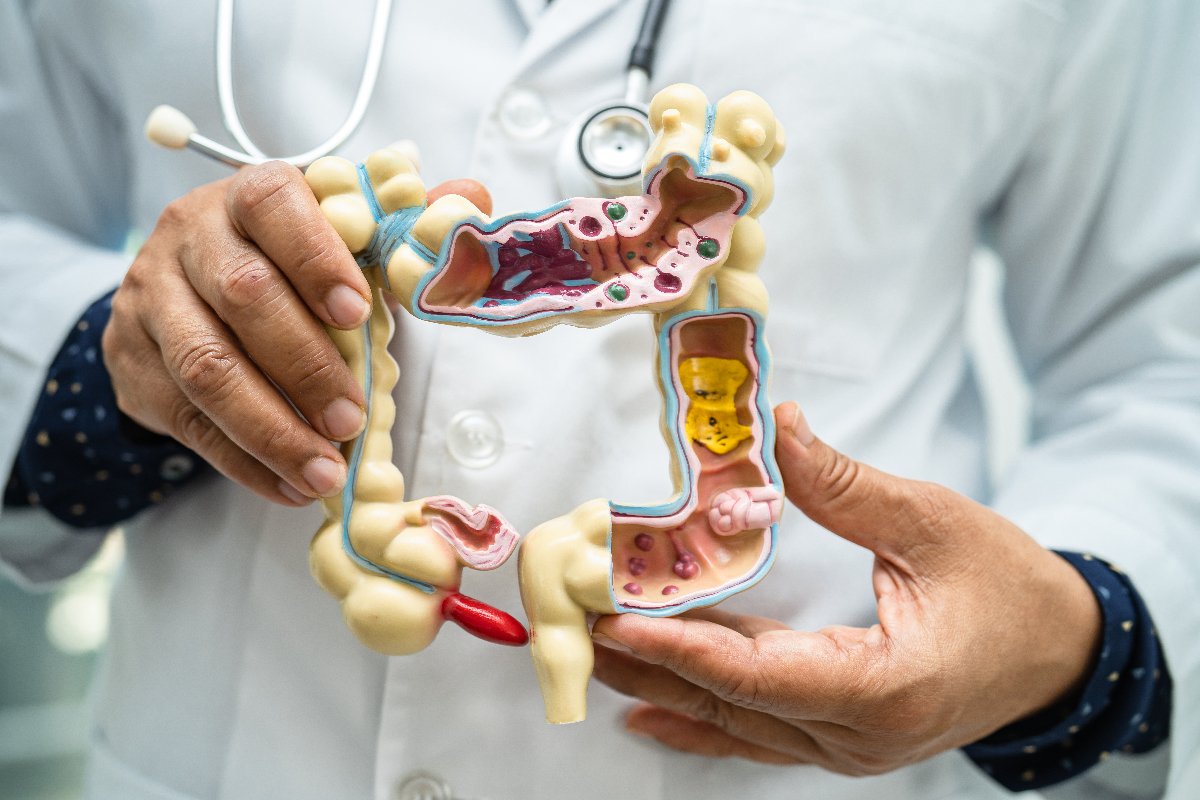
Digestion begins long before food reaches the intestines. Stomach acid, digestive enzymes, bile, and pancreatic secretions all help break food down into smaller pieces. When digestion is impaired, partially digested proteins may linger and can trigger the immune system.
Low stomach acid, pancreatic insufficiency, gallbladder dysfunction, and aging can all interfere with digestion. Breaking down food into its smallest components makes it less dangerous-looking to the immune system. In functional medicine, supporting digestive capacity is often one of the first steps in food sensitivity treatment.
#2. Weak Immune Defenses (“Leaky Gut”)
“Leaky gut” sounds like something from a late-night infomercial, but increased intestinal permeability (as it’s known formally) is a real phenomenon recognized in scientific literature. The intestinal lining normally acts as a protective barrier, keeping things in the digestive tract out of the bloodstream. When it becomes porous and “leaky,” larger molecules, food proteins, microbes, and inflammatory compounds may pass into the bloodstream more easily, setting off the immune system and sparking inflammation.
Researchers have found altered intestinal permeability in people experiencing adverse reactions to foods and various inflammatory disorders. Studies suggest that intestinal barrier dysfunction may contribute to abnormal sensitivity to food antigens.1,2
In other words, a damaged intestinal barrier means your immune system is encountering harmful things it would rather not see, and the consequences are not pretty.

#3. Hidden Allergens
Sometimes the problem isn’t cheating. It’s hidden contamination.
If you know you have a strong reaction to a food, but you continue to feel sick even though you eliminated the food from your diet already, be suspicious. Sometimes people eliminate a food from their diet and feel better right away. Later, their old symptoms start to come back. They assume that new and different foods are now giving them trouble. But instead, double back and make sure that the problem food is 100% eliminated from your diet.
The best example of this is nonresponsive celiac disease.3 People with celiac disease who have adopted a gluten-free diet may continue to be sick, like they have not started the gluten-free diet that is required for their healing. What happens is, they are unknowingly consuming tiny amounts of gluten from items that are not supposed to contain wheat or gluten. Offenders can be surprising, such as frozen green beans, quinoa, spices, medications, cooking utensils, or cutting boards. Even trace gluten exposure that is undetectable by most methods can perpetuate symptoms.
I’ve seen many individuals swear they are “100% gluten-free,” only to discover hidden exposures in plain sight.
A gluten contamination elimination diet can help identify and eliminate these hidden sources for people who react to wheat gluten.4
If you react terribly to dairy or egg or corn, there could be hidden sources that you aren’t aware of, just like in the gluten example. Likewise, addressing trace levels for a period of time could help your immune system calm down and reboot.
#4. Nutritional Needs
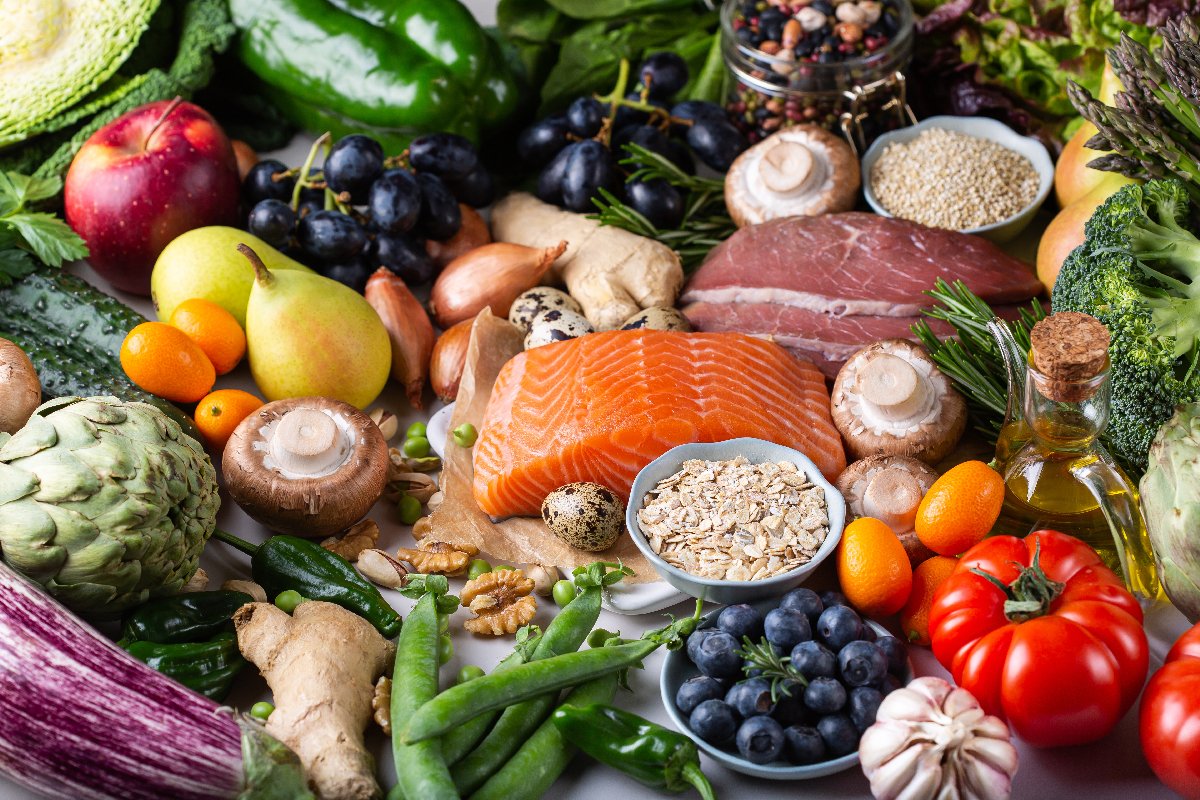
Poor nutrition can cause the immune system to malfunction. It can also interfere with proper healing. What’s worse, restrictive diets can sometimes create nutritional deficiencies, which sets up a vicious cycle: food reactions leading to poor nutritional status leading back again to food sensitivities.
Nutrients such as zinc, vitamin D, protein and amino acids such as glutamine, essential fatty acids, selenium, and vitamin A help maintain immune balance and support the intestinal barrier.5 Deficiencies may impair tissue repair and increase inflammation.
Adding nutrients back into the body is critical for getting rid of food reactions.

#5. Imbalanced Gut Microbiome
Our gut microbiome contains trillions of bacteria that promote health or disease in the digestive system. This living organ helps educate the immune system. When good bacteria decline and unfriendly bacteria take over control, the balance shifts toward inflammation.
Gut dysbiosis has been linked to allergies, immune dysfunction, and leaky gut. The microbiome plays an important role in determining how the immune system responds to food.
Imbalanced gut bacteria can bring on gut symptoms that are very similar to those caused by food sensitivities or food intolerances: gas, bloating, diarrhea, constipation, and abdominal pain.
I have seen cases of people who report being sensitive to “everything.” They eat a diet that is extremely restricted – maybe just 5 foods- because all other foods give them terrible symptoms. However, when we dive deeper into integrative and functional testing, we find out that the actual problem is bacterial overgrowth and/or fungal overgrowth, not food reactions. Once the microbial imbalances in the GI tract are cleared up, the immune system calms down and they do much better with a range of foods.

#6. Toxicity
Why are there so many food allergies and food sensitivities these days? Most people notice that there are more allergies or food sensitivities than in earlier times (like when compared to our parents’ or grandparents’ generations).
One cause of increased allergies is toxicity.6 Toxins cause the immune system to malfunction. Toxicity causes cells to malfunction. It drives inflammation. It makes it harder for us to tolerate the world around us.
Pesticides, heavy metals,7 solvents, and air pollutants are associated with increased prevalence of asthma and allergies.6 Likewise, people who live in highly polluted areas are more likely to have immune system disorders such as allergies and sensitivities. It isn’t just our imagination: there are more food reactions today than in the past. It’s real. And allergies are more prevalent in industrialized societies than in earlier societies who foraged for food.8
This hypothesis also explains why food reactions show up later in life for adults; when the body has accumulated more toxins.
There is more to come from science on the causes of food sensitivities and food allergies. For really tough cases of chronic allergies or sensitivities, consider that toxicity may be a root cause. Work with a practitioner to help avoid chemicals and promote healthy detoxification.
Eat More Peanuts? Why Allergists Have Changed Their Tunes about Food Allergies
This sounds completely nuts, doesn’t it?
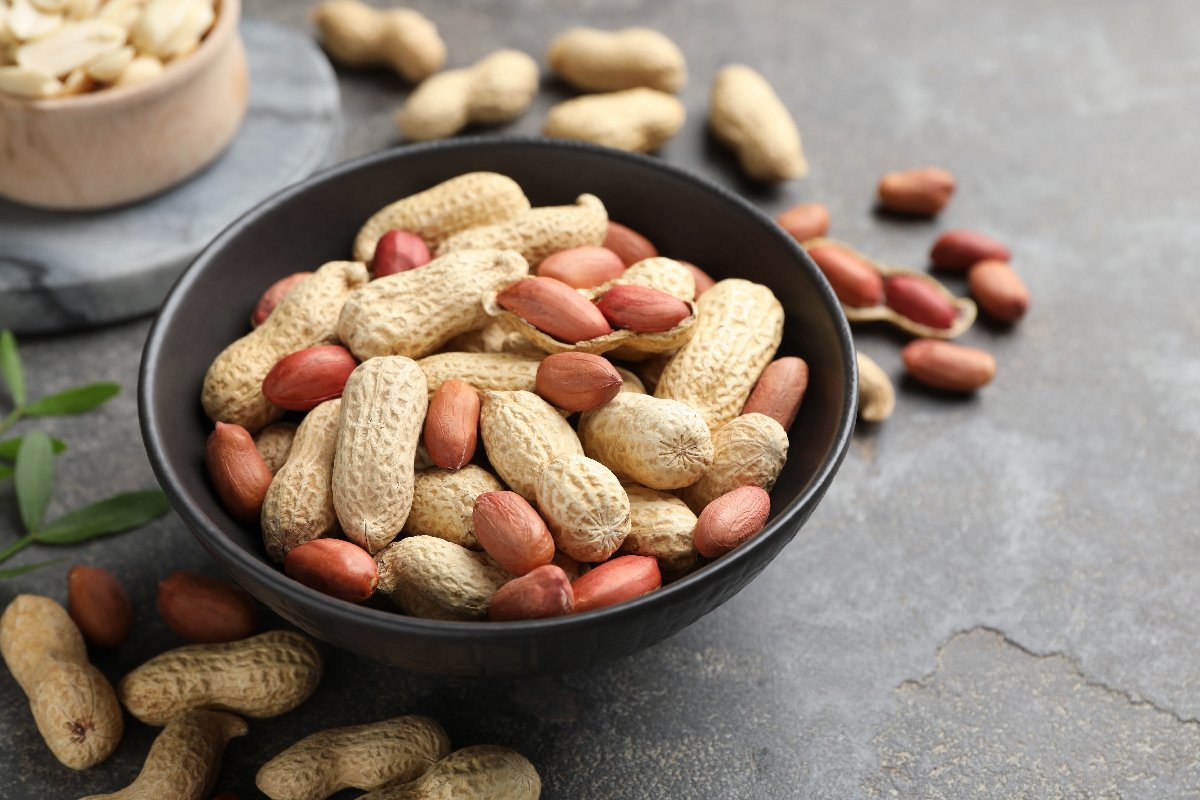
For decades, doctors told patients with peanut allergies to avoid peanuts at all costs. That advice wasn’t wrong—it was lifesaving. People with severe food allergies can experience anaphylaxis, a potentially life-threatening emergency, from even tiny amounts of the offending food. Strict avoidance remains essential for anyone with an untreated food allergy.
Today, doctors suggest giving babies peanut allergens to help prevent allergies later in life. In one study, giving babies peanuts in infancy led to fewer peanut allergies in their teenage years.
Why the change? Over the past 10 to 15 years, researchers have discovered that under carefully controlled medical supervision, very small amounts of an allergenic food can sometimes teach the immune system to become less reactive. This treatment is called oral immunotherapy (OIT). I’ll mention another method, Provocation-Neutralization therapy, next.
The goal is not necessarily to “cure” the allergy. Rather, the goal is to desensitize or calm the immune system so that an accidental bite of peanut is much less likely to trigger a severe reaction.
Scientists believe this happens because repeated, controlled exposure encourages the immune system to tolerate the food better. On the other hand, 100% avoiding the food exaggerates the immune system’s reaction to it. I have recently heard of the Food Allergy Institute , which treats kids with food allergies and makes them “food-safe” or free of anaphylaxis risk. It’s a very intensive program and lasts years. I have heard multiple cases of allergic kids doing really well with this approach,9 but it doesn’t work wonders for everyone.
This process is not something to try at home. Oral immunotherapy should always be performed under the supervision of an allergist because serious and dangerous allergic reactions can occur.
Allergy shots take a similar approach, but they are injected under the skin instead of eaten. By exposing the immune system to carefully controlled amounts of an allergen, subcutaneous immunotherapy (SCIT) helps address inhalant allergies like pollen, dust mites, mold, and pet dander long-term.
Provocation-neutralization is another technique that works on the same principle: the immune system can become less reactive after controlled exposure to an allergen. It has been used by integrative and functional medicine practitioners, especially those in the environmental medicine field, for decades.
Still, these approaches highlight an important principle: the immune system is capable of learning. It can be modified.
Sometimes healing means you have to avoid a problem food, especially for the short-term. Other times, healing means teaching the immune system to tolerate it again so that you can eat a healthy diet for the long-term.
Aim for a Variety of Foods!
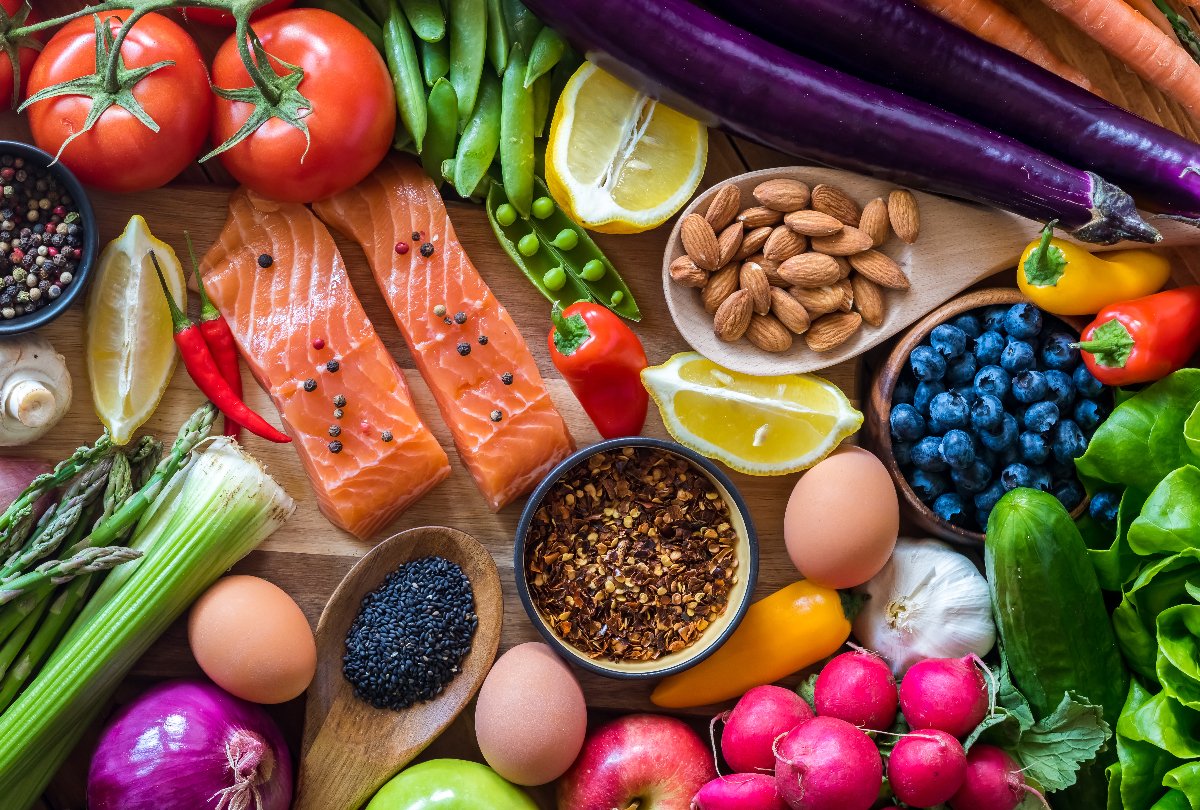
A healthy diet is one with a variety of whole foods, rich in colorful vegetables and fruits. Someone struggling with chronic illness may certainly need an elimination diet for a while- a year or two. Maybe more. They may even need to eat a highly restricted diet for a while. But it shouldn’t last forever. The goal is to restore function to the GI tract and immune system so that you can eat a healthy variety of foods again- the best diet for your health. Many people ask if food sensitivities are forever. For example, “Will I be able to eat dairy again?” Some people stop eating a food for 6 – 12 months and can slowly reintroduce it, in moderation, with good results. Others need more time. If you have lots of food reactions, you can eventually heal from it. However, you may find that even after things are much better and you think you’re in the clear, you still have a problem with a food such as dairy when you reintroduce it. If so, it might be a food that you will always have trouble eating. Still, you can work on other gut health approaches like healing leaky gut, and try again later. Usually in these cases, the reaction to the food is so obvious and unpleasant, the person gladly chooses to restrict the food from the diet so that they can maintain their wellbeing.

The Bottom Line: Food Sensitivity Treatment Should Focus On Root Causes
Food sensitivity, food intolerance, and food allergy are not the same thing, and they don’t all have the same solution. While avoiding trigger foods can be an important first step, it shouldn’t always be the finish line. Lasting food sensitivity treatment means asking why your body is reacting in the first place. Is poor digestion leaving food proteins only partially broken down? Is intestinal permeability (“leaky gut”), gut dysbiosis, malnutrition, hidden allergen exposure, or toxicity keeping your immune system on high alert? Identifying these food sensitivity causes allows clinicians and patients to move beyond endless food restriction and toward true healing. With the right testing, a thoughtful elimination diet, and an integrative and functional medicine approach, many people can calm the immune system, improve gut health, and gradually enjoy a wider variety of healthy foods again. After all, the goal isn’t simply to avoid food forever—it’s to restore the body’s ability to tolerate it.
Recommendations to Address Stubborn Food Reactions
- Find an integrative and functional medicine provider who specializes in food allergies, food sensitivities, and gut health.
- The goal is to work toward a varied diet of healthy, whole foods even if you must eat a restricted diet for the short-term.
- Consider food sensitivity (IgG) and food allergy (IgE) blood tests.
- Work with your practitioner to begin an elimination diet for three months. Then reintroduce foods one at a time and monitor for symptoms.
- Rotate foods to prevent the development of new food sensitivities (“rotation diet”). For example, eat the food one time every 4 days, especially for people who are highly reactive to many foods or if there is intestinal permeability.
- Double down on your efforts to eliminate a food 100% for a short term, especially if your healing seems stuck or if you’ve relapsed without explanation. Hidden sources are everywhere.
- Enzymes are an appropriate treatment for food intolerances. Digestive support is ideal for anyone with reactions. You may need digestive enzymes and betaine hydrochloride to help digest food, along with good mealtime habits like chewing thoroughly and relaxing during meals. Investigate digestive function, especially fecal elastase-1 to assess pancreatic function.
- Correct nutritional deficiencies.
- Test the gut microbiome and intestinal permeability. Balance the microbiome and heal the gut lining with a practitioner who uses the 5R Framework for Gut Health or something similar.
- Consider a gluten contamination elimination diet if celiac disease isn’t resolving as expected with 100% gluten removal.
- Work with a board-certified allergist if food allergy is suspected, to determine if oral immunotherapy may be appropriate.

References
- Ventura MT, Polimeno L, Amoruso AC, et al. Intestinal permeability in patients with adverse reactions to food. Dig Liver Dis. Oct 2006;38(10):732-6. doi:10.1016/j.dld.2006.06.012
- Niewiem M, Grzybowska-Chlebowczyk U. Intestinal Barrier Permeability in Allergic Diseases. Nutrients. Apr 30 2022;14(9)doi:10.3390/nu14091893
- O’Bryan T, Lerner A. Nonresponsive Celiac Disease Treated with a Unique Functional Medical Approach. International Journal of Celiac Disease. 2021;9(2):41-64.
- Leonard MM, Cureton P, Fasano A. Indications and Use of the Gluten Contamination Elimination Diet for Patients with Non-Responsive Celiac Disease. Nutrients. Oct 18 2017;9(10)doi:10.3390/nu9101129
- Khoshbin K, Camilleri M. Effects of dietary components on intestinal permeability in health and disease. American journal of physiology. Nov 1 2020;319(5):G589-G608. doi:10.1152/ajpgi.00245.2020
- Yang SN, Hsieh CC, Kuo HF, et al. The effects of environmental toxins on allergic inflammation. Allergy Asthma Immunol Res. Nov 2014;6(6):478-84. doi:10.4168/aair.2014.6.6.478
- Mener DJ, Garcia-Esquinas E, Navas-Acien A, Dietert RR, Shargorodsky J, Lin SY. Lead exposure and increased food allergic sensitization in U.S. children and adults. Int Forum Allergy Rhinol. Mar 2015;5(3):214-20. doi:10.1002/alr.21460
- Profet M. The function of allergy: immunological defense against toxins. Q Rev Biol. Mar 1991;66(1):23-62. doi:10.1086/417049
- Patrawala M, Shih J, Lee G, Vickery B. Peanut Oral Immunotherapy: a Current Perspective. Current allergy and asthma reports. Apr 20 2020;20(5):14. doi:10.1007/s11882-020-00908-6
Cass Nelson-Dooley, MS, is a researcher, author, educator, and laboratory consultant. She studied medicinal plants in the rain forests of Panama as a Fulbright Scholar and then launched a career in science and natural medicine. Early on, she studied ethnobotany, ethnopharmacology, and drug discovery at the University of Georgia and AptoTec, Inc. She joined innovators at Metametrix Clinical Laboratory as a medical education consultant helping clinicians use integrative and functional laboratory results in clinical practice. She owns Health First Consulting, LLC, a medical communications company with the mission to improve human health using the written word. Ms. Nelson-Dooley is an oral microbiome expert and author of Heal Your Oral Microbiome. She was a contributing author in Laboratory Evaluations for Integrative and Functional Medicine and Case Studies in Integrative and Functional Medicine. She has published case studies, book chapters, and journal articles about the oral microbiome, natural medicine, nutrition, laboratory testing, obesity, and osteoporosis.

