

What microbe can be a friend, an enemy, or a cancer-promoter throughout the length of the gastrointestinal tract? It’s Fusobacterium nucleatum, a fundamental good bacteria that helps organize and create structure for the oral microbiome. But Fusobacterium nucleatum has a dark side, too. It can go rogue; invading cells, bypassing the immune system, and encouraging cells to malfunction. The results can be ugly, including colon cancer, gut inflammation, infections at far-off sites, and even mouth cancers. Last month, we discussed the six steps to optimize gut health and reduce colon cancer risk. To carry this theme forward, we explore here the role of Fusobacterium nucleatum and its impact on the oral-gut axis, especially oral cancer and colon cancer. With most people focused solely on its role in disease, here you can find out the often-overlooked benefits of Fusobacterium nucleatum in the healthy human oral microbiome. Clinicians and consumers, learn how to test for it. Since completely wiping out this microbe isn’t feasible, antibiotics and their side effects on the greater microbiome should be approached with caution. Scroll to the bottom of this article for Fusobacterium nucleatum natural treatments, including the best probiotics to use. Clinicians and consumers will discover integrative and functional medicine approaches to keep this multi-faceted microbe squarely in its lane to ward off cancers, inflammation, and systemic disease.

The Good Side of Fusobacterium nucleatum
We don’t hear much about the good side of this microbe. Fusobacterium nucleatum is the second most frequently detected microbe in healthy oral microbiomes1, which is the collection of microbes living in the mouth. It is a Gram-negative anaerobic bacteria that lives on mucosal surfaces of the mouth and is often found on teeth as plaque.2 It is considered a commensal (or friendly bacteria)2 and also lives in the upper digestive, intestinal, and urogenital tracts.3
F. nucleatum is part of the core oral microbiome community, with a steady representation in the oral microbiome of 25%, regardless of whether someone has healthy gums or gum disease.1 In fact, 95% – 100% of healthy people have Fusobacterium nucleatum in their mouths4,5 with one qPCR saliva study finding more than 2 million of these bacteria per milliliter of saliva.4 SimplyTest, an oral microbiome lab testing company, suggests that 1 million – 10 million cells of Fusobacterim nucleatum/mL of saliva is a medium range for a human population. Other sources have shown higher numbers, such as 500 million microbes/milliliter in a healthy group of 94 Koreans.5
F. nucleatum is necessary for a healthy oral microbiome; it helps build up complex microbial communities. It has sticky outer membrane “adhesins”6 that act like a glue for the bacterial biofilm. It physically connects early and late colonizing bacteria so a stable, diverse biofilm can form. That might sound like a bad thing, but it’s actually essential: a well-organized biofilm supports microbial balance, enables metabolic cooperation between species, and helps maintain ecological stability rather than chaos. This role is special and shows that Fusobacterium nucleatum can get along well with others (a.k.a. co-aggregate with a wide range of oral bacteria) and create scaffolding for biofilm development.7
Beyond structure, Fusobacterim nucleatum participates in microbial cross-talk and nutrient sharing, contributing to the metabolic network that sustains a healthy oral ecosystem.8 It also makes significant amounts of butyric acid and helps keep the mouth lining healthy.2 Fusobacterium nucleatum makes protease inhibitors, which may ward off the pro-inflammatory and destructive effects of bad mouth bacteria such as Porphyromonas gingivalis, Treponema denticola, and Tannerella forsythia. It also makes defensins that stimulate the immune system and help protect us from certain pathogenic bacteria, fungi, and viruses.2
Bacteria are divided into three major clinical categories.
Fusobacterium nucleatum Metabolism & Taxonomy
Fusobacterium nucleatum doesn’t run on fiber the way many “good bacteria” do. Instead, it lives off proteins—specifically amino acids released from food, saliva, and even other microbes. It ferments amino acids like glutamate, lysine, and serine to produce compounds such as butyrate and acetate, which become part of the local metabolic environment. Fusobacterium nucleatum produces hydrogen sulfide as part of its normal metabolism, especially when it’s breaking down sulfur proteins in the mouth, which can contribute to bad breath. The mouth is an ideal location for F. nucleatum, rich in salivary proteins, gingival crevicular fluid, and small proteins released by other bacteria. That’s where it feeds on what the rest of the microbiome (and host) already broke down.
Fusobacterium nucleatum thrives in neutral pH, another reason it likes the mouth. A slightly alkaline environment is also acceptable for Fusobacterium nucleatum, especially because it does well with protein and amino acid fermentation, which produce ammonia and raise pH. A more acidic environment reduces its growth.
When we talk about “Fusobacterium nucleatum,” we are potentially talking about six different organisms. There are six subspecies of F. nucleatum:3
- Fusobacterium nucleatum subsp. nucleatum
- Fusobacterium nucleatum subsp. polymorphum
- Fusobacterium nucleatum subsp. vincentii
- Fusobacterium nucleatum subsp. animalis
- Fusobacterium nucleatum subsp. fusiforme
- Fusobacterium nucleatum subsp. canifelium
Just in case you are a microbiology nerd like me, you should know that Fusobacterium nucleatum also has some brothers and sisters in the Fusobacteriaceae family, collectively named “Fusobacterium species.” While Fusobacterium nucleatum is the most studied, other species—including F. necrophorum, F. periodonticum, F. mortiferum, and F. varium3—share similar traits: they are anaerobic, protein-fermenting bacteria that thrive in the nutrient-rich environment of the mouth. These organisms play a key role in organizing dental biofilms. Other Fusobacterium species are F. ulcerans, F. gonidiaformans, F. naviforme, F. necrogenes, and F. russii.3
Fusobacterium nucleatum in the Healthy Gastrointestinal Tract
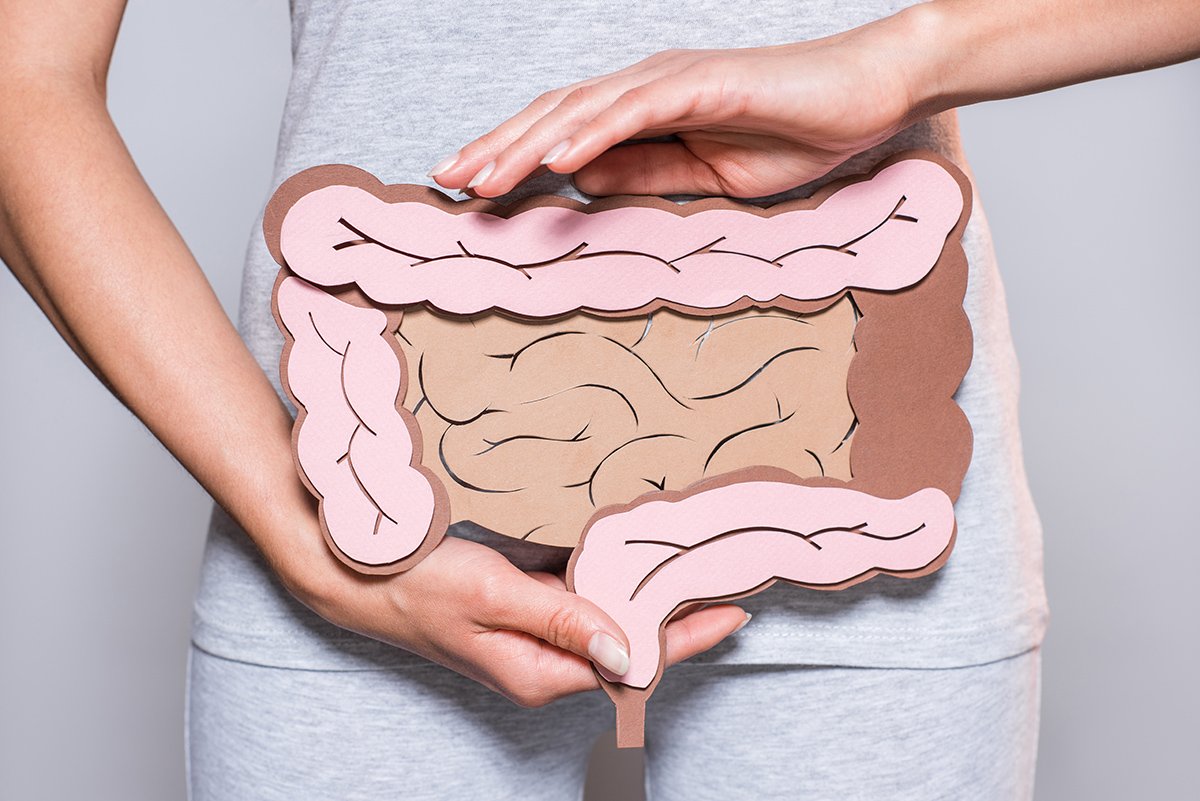
In contrast to its presence in nearly everyone’s mouths, F. nucleatum is not a regular player in everyone’s gut microbiomes. Even so, Fusobacterium species contribute to the gut microbiome by helping to build up and mature biofilm colonies.6
In the gastrointestinal tracts of healthy people, Fusobacterium nucleatum is usually found at low levels or not at all. It might be present at 10-1000 cells per gram of stool, and even go up to 100,000 cells/gram of stool in some cases, Dr. Tom Fabian, PhD said according to PCR9,10 or sequencing studies. It was only found in 7% of healthy people’s stool specimens. In people with gut symptoms (but free of colon cancer), Fusobacterium nucleatum was found in 43-47% of stool samples or intestinal biopsies.4,11A commercial qPCR stool test by Diagnostic Solutions Lab finds Fusobacterium species (all) usually below 100 million cells/gram stool (1.0E 8) in a human population, but in clinical specimens they frequently observe levels as low as 1000 cells/gram or as high as one hundred billion /gram stool (1.0E10). Accurate quantitation of these microbes can be challenging and can depend on the DNA methodology used, gene copy numbers, and PCR inhibitors.
Fusobacterium nucleatum has a firm position in the healthy oral microbiome, but it seems more inconsistent for its place in the gut microbiome. Beyond that, F. nucleatum is also an infamous microbe– with many faces. A Dr. Jekyll and Mr. Hyde, if you will. It isn’t just a commensal bacterium, it is also an opportunistic pathogen3 and a tumor-promoting bacterium.8

The Dark Side of Fusobacterium nucleatum
Even though F. nucleatum is essential for creating oral biofilms and a healthy mouth, it is one of the most common oral bacteria found in clinical infections, either by itself or in cahoots with other bad microbes.8 It has been found in infections and tumor samples.12 It has been associated with Crohn’s disease and ulcerative colitis (inflammatory bowel diseases) and is positively correlated with disease activity.6 While it has been linked to various human illnesses, it has yet to be proven as a cause of them.
Increased amounts of Fusobacterium nucleatum have been linked to:3
- Gum disease
- Colorectal cancer
- Inflammatory bowel disease (Crohn’s disease, Ulcerative colitis)
- Angina
- Persistent otitis
- Sinusitis
- Peritonsillar abscesses
- Brain abscesses
- Pulmonary abscesses
- Gynecological abscesses
- Neonatal sepsis
- Lemierre’s syndrome
- Infective endocarditis
F. nucleatum can bind and invade various cells.3 It encourages cancer, especially in epithelial tumors (cells that line the gut and mouth).3 How does this microbe do so much damage? Fusobacterium nucleatum has virulence factors (harmful chemicals or proteins) that help it evade the human immune system, promote inflammation, and advance tumor growth. It has been labeled as a “transboundary pathogen,” because it can travel, possibly causing problems in far-off sites, as well as systemic illness.13 Recently, Fusobacterium nucleatum was even implicated in breast cancer.6,14

Fusobacterium nucleatum in Colon Cancer
Not long ago, F. nucleatum was thought to be a relatively harmless gut microbe.1 However, today this mouth bacteria is a hot topic in colon cancer research—far more than in research about mouth cancers. Today Fusobacterium nucleatum is viewed as a colon cancer-promoting bacterium. It has been found in higher amounts inside of colon cancer tumors, polyps, and even stool samples of people with colon cancer.1,3 F. nucleatum has been detected in pancreatic, esophageal, and gastric cancers, too.6 What’s worse, higher levels of F. nucleatum are generally linked with worse outcomes in colorectal cancer, recurrence, and resistance to chemotherapy.6
Fusobacterium nucleatum found in colon cancer almost certainly comes from the mouth, based on DNA evidence tracing the identical strain from colon tumors back to the mouth.1 It is believed to travel from the mouth through the bloodstream to reach the colon.3 This is an interesting tidbit: it apparently does not just show up in the gut through swallowing, which would be a more direct route.

F. nucleatum can Promote Cancer by Four Mechanisms:1
- Boosting cell division
- Invading cells
- Chronic inflammation
- Evading the immune system
Some researchers recommend testing for F. nucleatum qPCR in stool to improve screening and early detection of colorectal tumors, especially when combined with other markers like the fecal immunochemical test (FIT).11
While the research studies on colon cancer and Fusobacterium nucleatum are stacking up quickly, the story isn’t completely straightforward. Some studies show that while it’s commonly present, it doesn’t always drive disease progression over time.11 Certain strains, especially Fusobacterium nucleatum subsp. animalis, may be the actual troublemaker for colon cancer and runaway inflammation.3,6 Today there is strong mechanistic evidence suggesting that Fusobacterium nucleatum can actively promote tumor development—especially in colorectal cancer—but in humans, it is still best described as a contributing factor rather than a definitive root cause. When it comes to colon cancer, F. nucleatum is a “commensal-turned pathogen.” How and when that switch gets flipped likely depends on context. Stay tuned for more developments on Fusobacterium nucleatum and colon cancer in coming years.

Fusobacterium nucleatum in Mouth Cancers
When bad bacteria get out of control in the mouth, it increases the risk of cancers. Gum disease, which is the quintessential example of bacterial imbalance of the mouth, has been identified as an independent risk factor for developing mouth cancers. It also increases the risk of gastric, head and neck,3 and colon cancers.15 We can feel pretty sure that dysbiosis and inflammation like that seen in gum disease can set the stage for cancer. But, what about our frenemy, F. nucleatum? F. nucleatum has been found in oral, head, and neck cancers. It is one of the most abundant species found in oral cancers1 and its levels are higher in mouth and tongue tumors when compared to the rest of the mouth.3
That said, the role of F. nucleatum in mouth cancer is far from clear-cut. Researchers are still working to understand whether it plays a causal role or if it is simply taking advantage of a bad situation. Some evidence suggests it may be involved in early cancer development, but other studies show the opposite—linking higher levels of F. nucleatum with better survival rates and lower recurrence in these cancers.1 Even in precancerous oral conditions, where Fusobacteria are often elevated, there is still no direct evidence that their presence alone drives progression to cancer.1 While it can be a cancer-promoting organism, the jury is still out about F. nucleatum’s role in mouth cancers.

Why Does a Good Bacterium Turn Bad?
With such a nasty track record, one starts to question if Fusobacterium nucleatum is really a good bacterium after all. Maybe it’s simply a bad bacterium. On the other hand, if 95-100% of us carry around F. nucleatum in the mouth, why doesn’t it harm all of us? Scientists are stumped on this conundrum, too. This is one of the beautiful mysteries of microbiology: how a microbe can be a friend or an enemy.
“One intriguing question is why a microorganism that is ubiquitous in the mouth throughout life might only very occasionally become carcinogenic?“1
In fact, it’s a key area of controversy, making it difficult for researchers to lay the blame for cancer solely on Fusobacterium nucleatum. Is F. nucleatum an initiator of cancer or is it simply promoting cancer (in a milieu of unhealthy tumor changes)?
Clearly, there must be more predisposing factors or triggers that work together to turn F. nucleatum into a carcinogen. Scientists have suggested a number of things that could “flip the switch,” changing Fusobacterium nucleatum from a tranquil good guy, to a bad guy. Possible causes are genetics, oral hygiene, nutrition, age and exposure to risk factors such as tobacco and alcohol.1
It could be the bad actors that Fusobacterium nucleatum keeps company with. As an essential “bridge” species, it hangs out with a lot of shady characters, common in microbial dysbiosis. F. nucleatum collaborates with Porphyromonas gingivalis,1 Tannerella forsythia, Streptococcus mutans, Clostridioides difficile, Pseudomonas aeruginosa, Parvimonas micra,13 and human papilloma virus (HPV).6

Different Factors May Set Up for Fusobacterium nucleatum to Promote Cancer:
- Host genetics3,13
- Dysbiosis3
- Co-infections with oncogenic bacteria3 or viruses
- Dental hygiene
- Age
- Nutrition
- Inflammation
- Exposures: tobacco, betel quid, alcohol1
- Anaerobic conditions, like the core of tumors that lack oxygen13

Testing for Fusobacterium nucleatum
The best tests for Fusobacterium nucleatum will be oral microbiome tests. Review my blog on the topic to pick a qPCR test or a metagenomic sequencing test for your patient or for yourself. SimplyTest measures both Fusobacterium nucleatum subsp. nucleatum as well as Fusobacterium nucleatum subsp. animalis in saliva by qPCR, which stands out as innovative and specific salivary biomarkers. Keep in mind: When Fusobacterium nucleatum is detected in colon cancer, scientists believe it is actually coming from the mouth. Therefore, the single best place to measure Fusobacterium nucleatum is in the mouth.
For colon cancer, researchers recommend combining a stool test of Fusobacterium nucleatum with the FIT (fecal blood test) and other standard colon cancer tests. qPCR stool testing for Fusobacterium nucleatum is standard in colon cancer research, but it is not yet available in clinical laboratories. Neither LabCorp, Quest, nor hospitals test for it. To date, integrative and functional medicine stool testing companies are not looking for F. nucleatum, either. It is possible to test for Fusobacterium species (genus level) in stool qPCR, but this only gives you a general idea, since it will include all of the different species of Fusobacterium. Microbiome laboratories that use metagenomic sequencing can detect F. nucleatum specifically, but since the results are a percent abundance, it tells you more about the proportion it makes up of the whole, not an absolute value. Even though measuring F. nucleatum in a qPCR commercial stool test isn’t possible as of this writing, testing the gut microbiome is still a vital step when striving for a healthy oral-gut axis and reducing colon cancer risk and inflammation.

Fusobacterium nucleatum Natural Treatments
What if you have high Fusobacterium nucleatum on your oral microbiome test along with symptoms that match up, like gum disease? What if you have colon cancer or inflammatory bowel disease and high levels of Fusobacterium nucleatum? These might be reasons to kill Fusobacterium nucleatum, or to suppress it to more moderate levels.
When we talk about “killing Fusobacterium nucleatum,” it’s important to recognize that we’re not dealing with an invader that needs to be eliminated, but a normal member of the oral microbiome ecosystem that can become problematic when it grows awry, probably under unhealthy conditions. Remember, 95-100% of healthy people carry it in their mouths; so removing it completely is unrealistic. Antibiotics like metronidazole can reduce its levels in serious cases, but they do so indiscriminately, and they can harm the rest of the microbiome. More gentle approaches lower F. nucleatum while trying to preserve the other good bacteria in the microbiome for defensive purposes. Examples are probiotics to crowd out Fusobacterium nucleatum, dietary changes, polyphenols, dental hygiene, and biofilm disruption strategies. Polyphenols, especially EGCG, green tea extract, black tea extract, and theaflavin reduced Fusobacterium nucleatum biofilms.2 Strengthening and healing the mouth lining may prove to be a critical treatment, since the way F. nucleatum escapes the mouth is by leaking out of the mouth into the bloodstream. In other words, the goal isn’t eradication, but restoring balance so this organism can return to its normal, health-supporting role.
Diet, Probiotics, and Dental Hygiene to Balance Fusobacterium nucleatum and Reduce Cancer Risk
- Eat a whole foods diet, rich in vegetables, fruits, and polyphenols, especially EGCG, green tea extract, black tea extract, and theaflavin.2
- Optimize oral hygiene to prevent and treat gum disease and oral dysbiosis3
- Test and balance the oral microbiome
- Balance the microbiome using antimicrobials and probiotics
- Metronidazole antibiotic (under clinical supervision) or topical metronidazole in the oral cavity (to avoid gastrointestinal/systemic effects)
- Dental probiotics: Lactobacillus rhamnosus and Streptococcus salivarius13
- Oral (systemic) probiotics: Akkermansia muciniphila and Bifidobacterium animalis13
- Waterpik to oxygenate oral tissues and crowd out F. nucleatum
- Heal leaky gums
- Optimize nutrition to support a healthy mouth, gut, and immune defenses.
- Test and treat gut dysbiosis to reduce other pathogens and opportunists
- Optimize protein digestion in the mouth and gut
- Avoid tobacco, alcohol, and betel quid
- For consideration by practitioners:
- Ozonated water in dental treatments
- Limit dietary protein and supplementary amino acids short-term
- Neutralize pH or make slightly acidic short-term

Manage Fusobacterium nucleatum for a Healthy Oral-Gut Axis
Fusobacterium nucleatum is a perfect example of how a microbe can shift from helpful to harmful. In the mouth, it plays a foundational role in organizing the oral microbiome and supporting a balanced ecosystem. But under the wrong conditions, it can move beyond that role—traveling through the bloodstream, interacting with host tissues, evading immune defenses, and actively promoting inflammation and cancer-related processes. The science has now moved beyond simple association: F. nucleatum is considered a cancer-promoting organism, particularly in colorectal cancer, where it can influence tumor behavior and response to therapy. Still, it is not a root cause on its own—its impact likely depends on overgrowth, location, and many other factors. From an integrative and functional medicine perspective, the goal is not to eliminate F. nucleatum, but to keep it under control, optimize the oral microbiome, improve dental hygiene, diet, strengthen the mouth lining (leaky gums) as a defensive barrier, avoid carcinogens, and balance the gut microbiome. That will keep F. nucleatum under control and a beneficial member of the microbiome, rather than a contributor to disease.
Acknowledgements
Many thanks to Dr. Tom Fabian, PhD and Dr. Debbie Ozment, DDS who helped with my research for this article.
References
- McIlvanna E, Linden GJ, Craig SG, Lundy FT, James JA. Fusobacterium nucleatum and oral cancer: a critical review. BMC Cancer. Nov 13 2021;21(1):1212. doi:10.1186/s12885-021-08903-4
- Stokowa-Soltys K, Wojtkowiak K, Jagiello K. Fusobacterium nucleatum – Friend or foe? J Inorg Biochem. Nov 2021;224:111586. doi:10.1016/j.jinorgbio.2021.111586
- Pignatelli P, Nuccio F, Piattelli A, Curia MC. The Role of Fusobacterium nucleatum in Oral and Colorectal Carcinogenesis. Microorganisms. Sep 20 2023;11(9)doi:10.3390/microorganisms11092358
- Idrissi Janati A, Karp I, Von Renteln D, et al. Investigation of Fusobacterium Nucleatum in saliva and colorectal mucosa: a pilot study. Scientific reports. Apr 4 2022;12(1):5622. doi:10.1038/s41598-022-09587-x
- Choi H, Kim E, Kang J, et al. Real-time PCR quantification of 9 periodontal pathogens in saliva samples from periodontally healthy Korean young adults. J Periodontal Implant Sci. Aug 2018;48(4):261-271. doi:10.5051/jpis.2018.48.4.261
- Li Z, Liu J, Li J, et al. Fusobacterium in the microbiome: from health to disease across the oral-gut axis and beyond. NPJ Biofilms Microbiomes. Oct 14 2025;11(1):200. doi:10.1038/s41522-025-00838-z
- Han YW. Fusobacterium nucleatum: a commensal-turned pathogen. Current opinion in microbiology. Feb 2015;23C:141-147. doi:10.1016/j.mib.2014.11.013
- Brennan CA, Garrett WS. Fusobacterium nucleatum – symbiont, opportunist and oncobacterium. Nature reviews Microbiology. Mar 2019;17(3):156-166. doi:10.1038/s41579-018-0129-6
- Suehiro Y, Sakai K, Nishioka M, et al. Highly sensitive stool DNA testing of Fusobacterium nucleatum as a marker for detection of colorectal tumours in a Japanese population. Ann Clin Biochem. Jan 2017;54(1):86-91. doi:10.1177/0004563216643970
- Yamaoka Y, Sasai M, Suehiro Y, et al. Comparison of two primer-probe sets of Fusobacterium nucleatum using droplet digital polymerase chain reaction for the detection of colorectal neoplasia from faecal samples. Ann Clin Biochem. Nov 2022;59(6):396-403. doi:10.1177/00045632221115559
- Aitchison A, Pearson JF, Purcell RV, Frizelle FA, Keenan JI. Detection of Fusobacterium nucleatum DNA in primary care patient stool samples does not predict progression of colorectal neoplasia. PLoS ONE. 2022;17(6):e0269541. doi:10.1371/journal.pone.0269541
- Wang S, Liu Y, Li J, et al. Fusobacterium nucleatum Acts as a Pro-carcinogenic Bacterium in Colorectal Cancer: From Association to Causality. Front Cell Dev Biol. 2021;9:710165. doi:10.3389/fcell.2021.710165
- Gao X, Cao F, Li Y, Huang J, Hu X, Li Z. Fusobacterium nucleatum: a transboundary pathogen in host-microbiota networks. Gut pathogens. Nov 20 2025;17(1):92. doi:10.1186/s13099-025-00775-4
- Parida S, Nandi D, Verma D, et al. A pro-carcinogenic oral microbe internalized by breast cancer cells promotes mammary tumorigenesis. Cell Commun Signal. Jan 15 2026;doi:10.1186/s12964-025-02635-9
- Zhou SH, Du Y, Xue WQ, et al. Oral microbiota signature predicts the prognosis of colorectal carcinoma. NPJ Biofilms Microbiomes. May 5 2025;11(1):71. doi:10.1038/s41522-025-00702-0
Cass Nelson-Dooley, MS, is a researcher, author, educator, and laboratory consultant. She studied medicinal plants in the rain forests of Panama as a Fulbright Scholar and then launched a career in science and natural medicine. Early on, she studied ethnobotany, ethnopharmacology, and drug discovery at the University of Georgia and AptoTec, Inc. She joined innovators at Metametrix Clinical Laboratory as a medical education consultant helping clinicians use integrative and functional laboratory results in clinical practice. She owns Health First Consulting, LLC, a medical communications company with the mission to improve human health using the written word. Ms. Nelson-Dooley is an oral microbiome expert and author of Heal Your Oral Microbiome. She was a contributing author in Laboratory Evaluations for Integrative and Functional Medicine and Case Studies in Integrative and Functional Medicine. She has published case studies, book chapters, and journal articles about the oral microbiome, natural medicine, nutrition, laboratory testing, obesity, and osteoporosis.

