

The Breast Milk Microbiome Seeds a Lifetime of Good Health
Every time we turn around, we learn that a new part of the body has its own microbiome. Indeed, human milk is not sterile, as was once thought. In fact, it is teeming with bacteria, currently believed to number 10,000 – 100,000 microbes per milliliter (equal to about 20 drops). Breast milk seeds and supports oral and gut microbiome development in the young. It does this by delivering microorganisms directly to the infant. It also provides specialized prebiotics called human milk oligosaccharides (HMOs), which further promote the growth of friendly bacteria. There is still so much to learn, but for now, we can be assured that breastfeeding is as essential as ever for infant health.
Practitioners and consumers, find out how the human milk microbiome sets the stage for a child’s oral health. Learn what bacteria are highest in human milk- you may be surprised! At the end of this article, discover steps that mothers can take to promote their health before and during breastfeeding, and suggestions for those mothers who cannot breastfeed. A healthy breast milk microbiome may be the source of all other microbiomes in the human body, with far-ranging impacts for oral health, gut health, and systemic health at all ages and stages of life.
Health Benefits of the Human Milk Microbiome
- Breast milk feeds and promotes “good” bacteria.
- It transfers protective bacteria from mother to infant.
- It fights off harmful bacteria and infections.
- It tunes the immune system.
- It helps shape lifelong oral health and gut health.
- It helps shape lifelong systemic health.
We are grateful to our sponsor, Doctor Staci, who made this blog possible.

Health Benefits of Breastfeeding
There’s no question that breast milk is the absolute best food for an infant. Breastfeeding carries incredible benefits for the baby and the mother. Infants who are breastfed are more resistant to life-threatening infections and diseases. They are less likely to die of sudden infant death syndrome (SIDS). They are less likely to develop diabetes, obesity, asthma, and blood cancers.
Mothers benefit, too. Breastfeeding improves recovery after childbirth, including weight loss and mood. It also can lower the risk of breast cancer, ovarian cancer, cardiovascular risk markers, and even improve bone strength later in life.1 However, I’m the first one to point out it is a significant and underappreciated sacrifice for the mother (in time, potential earnings, and physical and emotional autonomy)!
The World Health Organization (WHO) recommends breastfeeding an infant until a minimum of 6 months old and continuing at least partially until age two or later if the health-promoting properties of human milk are needed.1
Breast milk is a colloidal solution of carbohydrates, fats, proteins, vitamins, minerals, immune-boosting substances, viruses, bacteria, and yeast. Breast milk composition is uniquely customized depending on the phase of lactation, the mother’s health, physiology, race, or geographical location.1
The benefits of breastfeeding are countless. Human breast milk provides customized nutrition. It provides immune education. It defends against infection with lactoferrin and secretory immunoglobulin A. Breastfeeding helps develop the infant’s jaw. However, in this article, we will focus on the microbes in breast milk and what that means for the oral and gut microbiomes.
“Human milk is the mother’s most valuable gift to her child due to [its] health-promoting properties.”1
Early on in my study of nutritional medicine, I learned that breast milk is a gold standard for a human’s nutritional needs. Richard Lord, PhD, author and editor of Laboratory Evaluations for Integrative and Functional Medicine, often researched the quantity of a vitamin or mineral found in breast milk to help decipher how essential it was to human life and how much was needed. Now I’m looking to breast milk as the bar for microbiome needs.

Image by OpenClipart-Vectors from Pixabay
The Microbiome, Probiotics, and Prebiotics
Before we dive into the human milk microbiome, let’s refresh on what it is. A microbiome is the collection of bacteria, viruses, and fungi that live in a certain part of the body. Most of these microorganisms are harmless, or even beneficial. Scientists call them commensal bacteria because they coexist peacefully within us. Microbiomes are found in the mouth, gut, nose, vagina, skin, and almost everywhere else.
As opposed to the friendly, health-promoting commensal bacteria that already live inside the body, probiotics are little bacteria usually taken as a food or supplement to improve health by influencing the microbiome. Think yogurt, but only the fraction containing good bacteria. Research shows probiotic supplements have many, many health benefits. There are probiotics that you swallow, which support gut health. Dental probiotics may dissolve in your mouth and build your oral microbiome. Either way you take it, probiotics put friendly bacteria into your body.
We wouldn’t have a microbiome without prebiotics. Prebiotics feed good bacteria. They help good bacteria stick in the body and do their good deeds. Prebiotics are usually hard-to-digest carbohydrates that our bodies don’t use for our own nutrition. The enzymes in our saliva and in our stomachs can’t even break them down.2 You might think of prebiotics as the “bulk” from your diet. Our bacteria however, can make good use of prebiotics through fermentation and the side effect is better health for us.
Why Breast Milk is the Elixir for the Human Microbiome
Breast Milk Microbiome
Some people ask, “Is breast milk sterile?” Much like other errors of outdated science, breast milk being sterile has been completely debunked. In fact, breast milk is loaded with bacteria. This means that mothers are giving their newborns a significant dose of bacteria through breast milk- all day and night.
But how much bacteria are we talking about, here?
I had trouble finding a solid answer on how many microbes could be found in a milliliter (mL) of breast milk. I found a few different answers (from one million, to one thousand, to almost none) using quantitative polymerase chain reaction (qPCR), the best method for this because it analyzes and quantifies genes.3,4
To settle the matter, I reached out to Michelle McGuire, PhD, a milk microbiome researcher, and she said breast milk is generally thought to contain 10,000 – 100,000 microbes/mL when produced by a healthy mammary gland. She noted that few studies have actually quantified the number.
What bacteria are present in breast milk?
Studies show that these are the friendly bacteria that make up breast milk:5
- Streptococcus (the helpful kinds)- 45%
- Staphylococcus – 25%
- Lactobacillus– 6%
- Bifidobacterium– <6%
- Enterococcus– <4%
Note that the most abundant microorganisms are Streptococcus and Staphylococcus. These genera are sometimes thought of as harmful to health. However, these bacteria are well-recognized to be major players in the milk microbiome and also in the infant’s microbiome. I have written before about the important role of friendly Streptococcus bacteria in the oral microbiome. And bacteria that are generally thought of as beneficial, Lactobacillus and Bifidobacterium, are found at lower percentages. Lactobacillus and Bifidobacterium are friendly bacteria naturally found in the human gut, but they are also found in probiotic supplements.
The diversity of a woman’s breast milk microbiome is related to many factors such as where she lives, how much time passed since she birthed her baby, body mass index, if she has a breast infection, nutrition, and who else is taking care of her baby. How she delivered her baby may affect her breast milk microbiome too, whether it was vaginal, elective, or non-elective cesarean birth.7 Antibiotics will deplete a mother’s milk microbiome.
The composition of the breast milk microbiome may predict a healthier baby, including a larger head circumference for age.
“The human milk microbiome is hypothesized to represent an important pathway for intergenerational influences on early life origins of health and disease.”7
How do good bacteria get into breast milk?
It isn’t known how bacteria arrive in the mother’s breasts. There is evidence that during pregnancy, some gut bacteria are trafficked to the mammary glands. This is called the “entero-mammary pathway” by scientists. Bacteria can also get into the breast microbiome from the skin and the nipple.5
Babies also play a role in what microbes show up in breast milk. This is known as “baby backwash.” When the baby stops suckling the breast, microbes from the baby’s mouth (mixed with milk and saliva) flow back into the mother’s milk ducts.1

Breast Milk Prebiotics: Human Milk Oligosaccharides
The third largest solid component (after lactose and fat) of breast milk is human milk oligosaccharides. HMOs are a specialized group of oligosaccharides (or short chains of carbohydrates), found only in human breast milk. Over 200 different HMOs have been identified. Babies cannot digest these HMO prebiotics. Instead, HMOs are available to feed friendly bacteria such as Bifidobacterium, Lactobacillus, and Bacteroides1 in the mouth and gastrointestinal tract. HMOs may prevent diarrhea and respiratory infections in babies. Colostrum (early milk) is very high in HMOs (20 – 25 g/L), but even in mature milk, it is found at 5 – 20 g/L.1
In addition to feeding and growing good bacteria, HMOs have pathogen-fighting abilities. They can directly inhibit Streptococcus agalactiae (Group B Streptococcus), Staphylococcus aureus, and Acinetobacter baumannii as well as disrupt their biofilms, according to Butler and colleagues in “Breastmilk Influences Development and Composition of the Oral Microbiome.”

Breast Milk and the Gut Microbiome
Breast milk and the breast milk microbiome are believed to play a pivotal role in developing an infant’s gut microbiome.1 Numerous scientific studies support this fact. Breast milk controls the development of an infant’s microbiome by both directly providing bacteria from the mother and by providing prebiotic HMOs that help grow beneficial gut bacteria. Bacteria from human milk also help to mature the infant’s intestinal immune system.1
Approximately 25-30% of a child’s gut bacteria are believed to come from human milk.1 Interestingly, babies who are exclusively breastfed have a lower diversity, but a higher number of beneficial bacterial species such as Lactobacillus and Bifidobacteria. When children are fed formula, there are fewer Bifidobacteria and Lactobacillus bacteria in the gut microbiome.1
Breast milk helps to develop the oral and gut microbiomes, tune the immune system, and teach tolerance of harmless and beneficial gut microbiota. This helps the child grow up with a balanced immune system that knows when to protect from an infection versus when to look the other way.

Breast Milk and the Oral Microbiome
Breast milk seeds the oral microbiome, not just the gut microbiome. In fact, the infant oral microbiome more closely resembles breast milk microbial communities than the gut microbiome.6 Colostrum is one of the first sources of bacteria for a newborn’s oral microbiota and matches the infant’s early microbiome, suggesting that early breastfeeding is critical for colonizing the child’s mouth bacteria.1
What is more compelling is that the baby’s oral microbiota closely matches to the breast milk microbiota and the mother’s oral microbiota. In a study of breastfeeding mothers and babies, the 5 most abundant genera in both breast milk and infant oral samples were Streptococcus, Staphylococcus, Gemella, Rothia, and Veillonella.6 These five species also dominated the mother’s oral microbiome, except for Staph. In previous articles, I have noted that a baby’s oral microbiome is more similar to its mother’s oral microbiome during the first six months of life and even when the child grows to be an 18-year-old adult, the oral microbiome is still more similar to the mother than the father!
Breastfeeding Versus Formula-feeding
The communities in the oral microbiome depend on whether a baby gets breast milk or not. When babies breastfeed, they are directly exposed to some of their mother’s beneficial microbes, which can colonize the baby’s mouth and help protect against harmful infections. Breastfeeding in the first 12 months of life decreases the risk of cavities (dental caries). That may be in part because breastfed babies usually have fewer cavity-causing bacteria (like Streptococcus mutans) compared to formula-fed babies.
The oral microbiomes of breastfed babies were more homogenous (and less diverse). This same effect was seen in the gut microbiomes of breastfed babies. It seems that human milk acts like training wheels for the microbiome, presumably due to the good bacteria in human breast milk, HMOs, and other bioactive components. It keeps the oral and gut microbiomes steady and enriched specifically with good bacteria, without much diversity.
Formula-fed babies have different oral microbiota than babies who are breastfed. Formula-fed babies were lacking Lactobacillus species in the mouth. Babies who were formula-fed had species in their oral microbiomes that were not detected in breastfed babies. Formula-fed babies also have higher bacterial diversity than breastfed babies.
The mother’s milk microbiome composition is similar to her infant’s oral microbiome, more so than the infant’s gut microbiome.7
Early Development of the Oral Microbiome
After birth, oral microbiota colonize the baby’s mouth and shift in predictable phases until the child is approximately two years old,8 making this a crucial period of development for the oral microbiome. The introduction of solid foods increases diversity of the oral microbiome. The early balance of bacteria in the mouth can influence how teeth, gums, and overall oral health develop later in life.
Scientists believe that if the development of the microbiome is disturbed during the first years of life, it may have consequences for the child’s oral health and systemic health.9 For example, when mothers have shorter breastfeeding habits or take antibiotics, it impacts the child’s oral microbiome, which can manifest as clinical symptoms at a later age. This could also take a toll on the gut microbiome. I cover this more completely in my article on the child’s oral microbiome.
Boost Your Oral Microbiome Before Pregnancy
Needless to say, a mother’s healthy microbiome is paramount for her baby’s future health. That means that tuning up the microbiome should be a standard part of prenatal care, along with taking prenatal vitamins, avoiding alcohol, and avoiding raw fish.
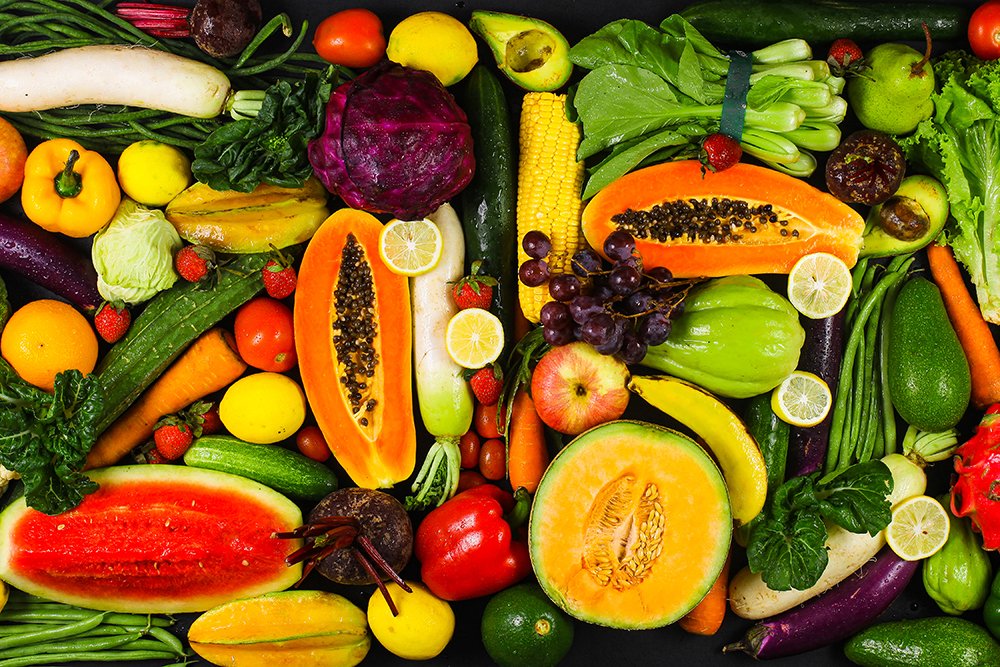
Mothers can make changes to their microbiomes before pregnancy. Take probiotics during pregnancy to help boost your good bacteria and gut function. A healthy diet low in sugar and refined carbs, rich in vegetables and fruits will help grow your healthy bacteria. Avoid unnecessary antibiotics before, during, and after pregnancy.
If you are planning to get pregnant, or already are, you are in a perfect position to optimize your child’s oral and gut health. You simply do this by optimizing your microbiome. It doesn’t require a lot of work because we all have microbiomes, naturally. But if you have signs of an unhealthy or imbalanced microbiome, then you need to restore health as soon as possible. You can look for signs all over the body to help figure out if your microbiome is healthy or not.

Signs that you have an unhealthy microbiome are:
-
Abdominal pain
-
Athlete’s foot
-
Bad breath
-
Bacterial vaginosis
-
Bladder infections
-
Bleeding gums (before pregnancy)
-
Bloating
-
Cavities
-
Constipation
-
Diarrhea
-
Gum disease
-
Heartburn
-
Irritable bowel syndrome
-
Mastitis (breast infection)
-
Mouth infections
-
Mouth sores
-
Root canal infections
-
Stomach pain
-
Urinary tract infections
-
Vaginal yeast infections
If you have any of these symptoms, then your microbiome is likely out of balance. See the Recommendations for balancing the microbiome below.
Should You Take Probiotics While Breastfeeding?
Probiotics are safe for nursing moms and babies alike. Research shows that probiotics, prebiotics, and synbiotics can be used during pregnancy and breastfeeding without causing serious side effects for mother or child. At most, a few mild symptoms—like changes in digestion—may show up, but they are usually temporary and manageable. Even better, probiotic supplements can help in other ways. For moms, they’ve been linked to lowering inflammation, improving blood sugar balance, and even helping prevent or manage mastitis. Remember the entero-mammary pathway I mentioned earlier? For babies, probiotics taken by mom can actually find their way into breast milk and the infant’s gut, helping to seed early microbiome development and lowering the risk of eczema and other atopic conditions.
The story gets even more interesting for babies born by C-section. These little ones often miss out on some of the microbes passed down during vaginal birth. Probiotic supplementation by mom can benefit her baby born by C-section, promoting healthy gut colonization—especially increasing Bifidobacterium, a key player in infant gut health.
The Mother of All Microbiomes
The maternal milk microbiome may be where all other microbiomes begin. High amounts of bacteria (10,000 – 100,000 microbes per 20 drops) are present in human milk and pass to the nursing infant, helping to fight infection and tune the immune system. Although it is well established that breast milk helps build the infant gut microbiome, there are more similarities between bacteria in a mother’s breast milk compared to her baby’s oral bacteria, than to gut bacteria. Streptococcus is the most abundant bacterial species in breast milk, in the infant mouth, and in the mother’s mouth. Bacteria from breast milk, prebiotic human milk oligosaccharides, and other immune factors act as “training wheels” for the baby’s microbiome. They promote low microbial diversity, but boost beneficial bacteria species in the infant’s oral cavity and digestive tract. Formula-fed babies do not get these same benefits.
Everything should be done to encourage and support a positive breastfeeding experience for mother and baby pairs because having a healthy oral microbiome and gut microbiome improves not only oral health and gut health, but systemic health- both immediately and in the long term. Mothers can optimize their microbiomes before conception and as part of prenatal and postpartum care with the diet and lifestyle changes recommended here. For mothers who cannot breastfeed, carefully selected donor milk is a good second choice. High-quality probiotic supplements can help build good bacteria in the mother’s breast milk microbiome and are safe for babies.
Promote a Healthy “BoobyBiome” for Mothers and Babies:
Mothers
- Eat a healthy diet that is low in sugar, low in processed foods, high in home-cooked, whole foods that are plant- and fiber-rich, with healthy fats, and healthy meats.
- High-quality multivitamin-mineral or prenatal.
- Optimize the health of gut, oral, and vaginal microbiomes. If your microbiomes are imbalanced, get this checked out, tested, and treated by an integrative and functional medicine practitioner or holistic/biological/functional dentist before getting pregnant, or as soon as possible.
- Dental probiotics.
- Oral probiotics.
- Avoid unnecessary antibiotics whenever possible.
- Avoid unnecessary C-section births.
- Use non-toxic oral care products and regular dental hygiene.
- Avoid antiseptic mouthwashes.
- Enhance nasal breathing, not mouth breathing.
Mother-Baby Pairs
- Continue with the whole foods diet mentioned above.
- Do everything possible to ensure a sustainable breastfeeding relationship for you and your infant for a minimum of six months; up to 24 months and beyond is even better, if it is good for you and your baby. Ask your support network to help you with this goal. Breastfeeding involves personal sacrifice, but it is the best gift you can give to your infant. Be proud of your breastfeeding accomplishments, even if they are small steps.
- Draw on breastfeeding resources and community support, such as La Leche League
- Choose high-quality donor milk instead of infant formula.
- If problems arise with breastfeeding, have the baby checked for tongue tie.
- If baby was born by c-section, then extended breastfeeding, probiotics, and diet are all the more important to “rescue” the microbiome.
- Avoid unnecessary antibiotics.
- Find a functional dentist for your baby, like Doctor Staci, if there are problems sleeping, mouth breathing, or childhood cavities.
- Find an integrative and functional medicine pediatrician to work with your baby if there are chronic ear infections, respiratory infections, reflux, or other chronic symptoms. Address the root causes with diet and lifestyle changes, so you don’t have to treat the symptoms with antibiotics or other medications.
Doctor Staci Whitman is a Functional Kids’ Dentist in North Portland, Oregon. She is the founder of NoPo Kids Dentistry where she takes a whole-body, holistic, and functional approach with her patients. She has expertise in children’s sleep and airway health, functional dentistry, holistic, and biological dentistry. She speaks, consults, and educates clinicians and consumers on these topics. Her dentistry/practice is grounded by science and powered by love.
If you want to hear more about functional dentistry and the oral microbiome, Doctor Staci digs in deep in her free weekly newsletter!

References
- Dombrowska-Pali A, Wiktorczyk-Kapischke N, Chrustek A, Olszewska-Słonina D, Gospodarek-Komkowska E, Socha MW. Human Milk Microbiome-A Review of Scientific Reports. Nutrients. May 8 2024;16(10)doi:10.3390/nu16101420
- Konde S, Ravindran S, Agarwal M, Peethambar P. Prebiotics-A Primeval Measure to Combat Dental Caries: A Short-term Clinical Study. Int J Clin Pediatr Dent. 2022;15(Suppl 2):S234-S238. doi:10.5005/jp-journals-10005-2165
- Boix-Amoros A, Collado MC, Mira A. Relationship between Milk Microbiota, Bacterial Load, Macronutrients, and Human Cells during Lactation. Front Microbiol. 2016;7:492. doi:10.3389/fmicb.2016.00492
- Sakwinska O, Moine D, Delley M, et al. Microbiota in Breast Milk of Chinese Lactating Mothers. PLoS ONE. 2016;11(8):e0160856. doi:10.1371/journal.pone.0160856
- Daiy K, Harries V, Nyhan K, Marcinkowska UM. Maternal weight status and the composition of the human milk microbiome: A scoping review. PLoS ONE. 2022;17(10):e0274950. doi:10.1371/journal.pone.0274950
- Williams JE, Carrothers JM, Lackey KA, et al. Strong Multivariate Relations Exist Among Milk, Oral, and Fecal Microbiomes in Mother-Infant Dyads During the First Six Months Postpartum. J Nutr. Jun 1 2019;149(6):902-914. doi:10.1093/jn/nxy299
- Holdsworth EA, Williams JE, Pace RM, et al. Breastfeeding patterns are associated with human milk microbiome composition: The Mother-Infant Microbiomes, Behavior, and Ecology Study (MIMBES). PLoS ONE. 2023;18(8):e0287839. doi:10.1371/journal.pone.0287839
- Xiao J, Fiscella KA, Gill SR. Oral microbiome: possible harbinger for children’s health. International journal of oral science. Apr 30 2020;12(1):12. doi:10.1038/s41368-020-0082-x
- Dzidic M, Collado MC, Abrahamsson T, et al. Oral microbiome development during childhood: an ecological succession influenced by postnatal factors and associated with tooth decay. Isme j. Sep 2018;12(9):2292-2306. doi:10.1038/s41396-018-0204-z
Cass Nelson-Dooley, MS, is a researcher, author, educator, and laboratory consultant. She studied medicinal plants in the rain forests of Panama as a Fulbright Scholar and then launched a career in science and natural medicine. Early on, she studied ethnobotany, ethnopharmacology, and drug discovery at the University of Georgia and AptoTec, Inc. She joined innovators at Metametrix Clinical Laboratory as a medical education consultant helping clinicians use integrative and functional laboratory results in clinical practice. She owns Health First Consulting, LLC, a medical communications company with the mission to improve human health using the written word. Ms. Nelson-Dooley is an oral microbiome expert and author of Heal Your Oral Microbiome. She was a contributing author in Laboratory Evaluations for Integrative and Functional Medicine and Case Studies in Integrative and Functional Medicine. She has published case studies, book chapters, and journal articles about the oral microbiome, natural medicine, nutrition, laboratory testing, obesity, and osteoporosis.

