

There is one test that I recommend for everyone struggling with Crohn’s disease, ulcerative colitis, and gut inflammation. We will discuss why this test helps uncover the root causes of gut inflammation. By addressing Crohn’s disease and ulcerative colitis with a functional medicine approach, it is possible to turn off gut inflammation. Clinicians can tailor natural treatments for colon inflammation, including probiotics, prebiotics, and a customized diet. Note that these approaches do not include medications or surgery. Instead, they focus on correcting imbalances in the gut microbiome, intestinal lining, and the immune system. The goal is to restore healthy gastrointestinal function and get back to a normal life again. Clinicians and consumers—if you or someone you love is struggling with gut inflammation, you don’t want to miss this!
We are grateful to our sponsor, Diagnostic Solution Laboratory, for making this blog possible.
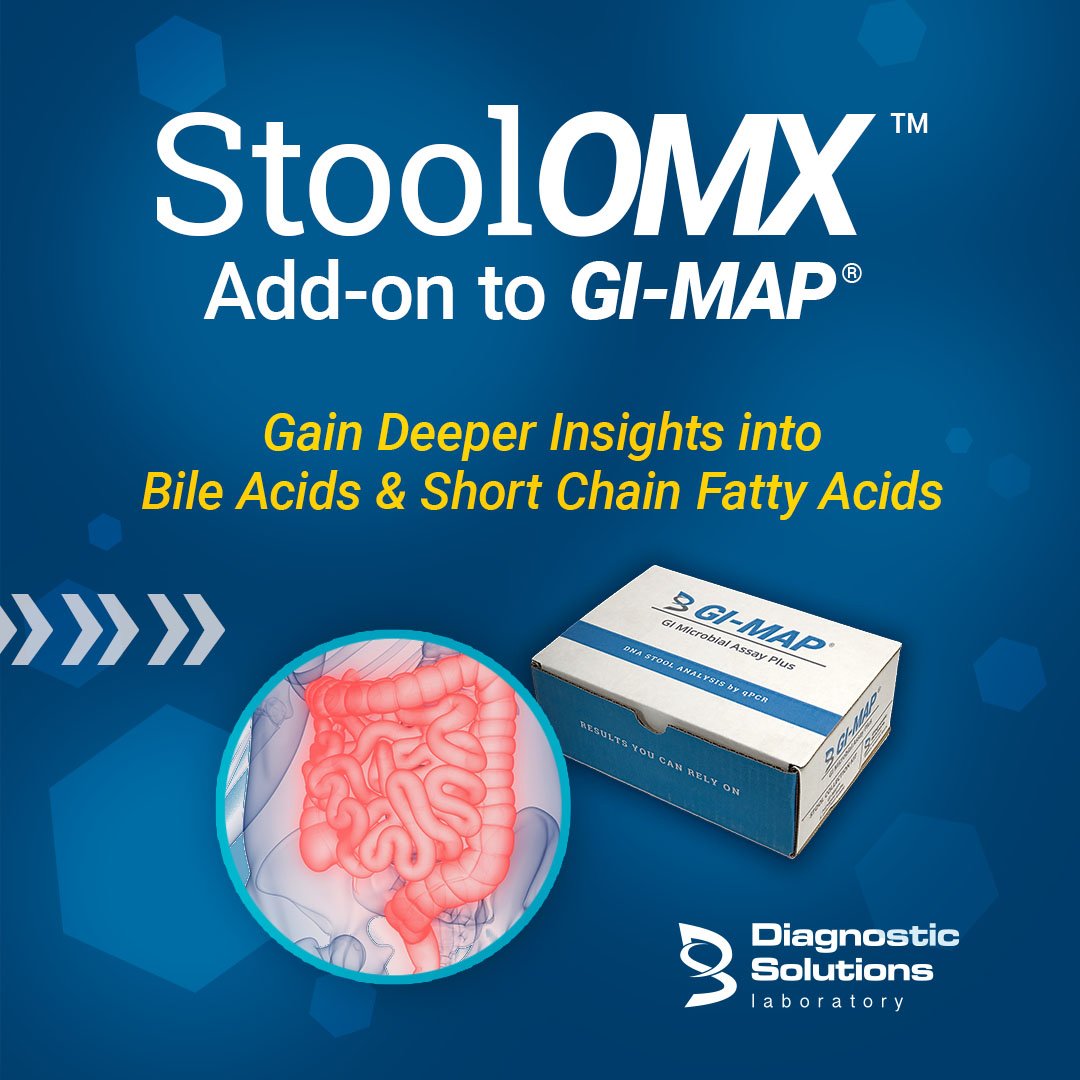
The Problem of Gut Inflammation
1.6 million Americans are believed to have inflammatory bowel disease (IBD), which includes ulcerative colitis or Crohn’s disease. It has no cure by mainstream medical methods. These inflammatory bowel diseases have no unique diagnostic criteria except for one biggie- chronic gut inflammation. Flare-ups of gut inflammation come and go in people with ulcerative colitis or Crohn’s. As gut inflammation proceeds unchecked, it can venture outside of the gut, setting off inflammation and damage to the joints and harming other parts of the body.
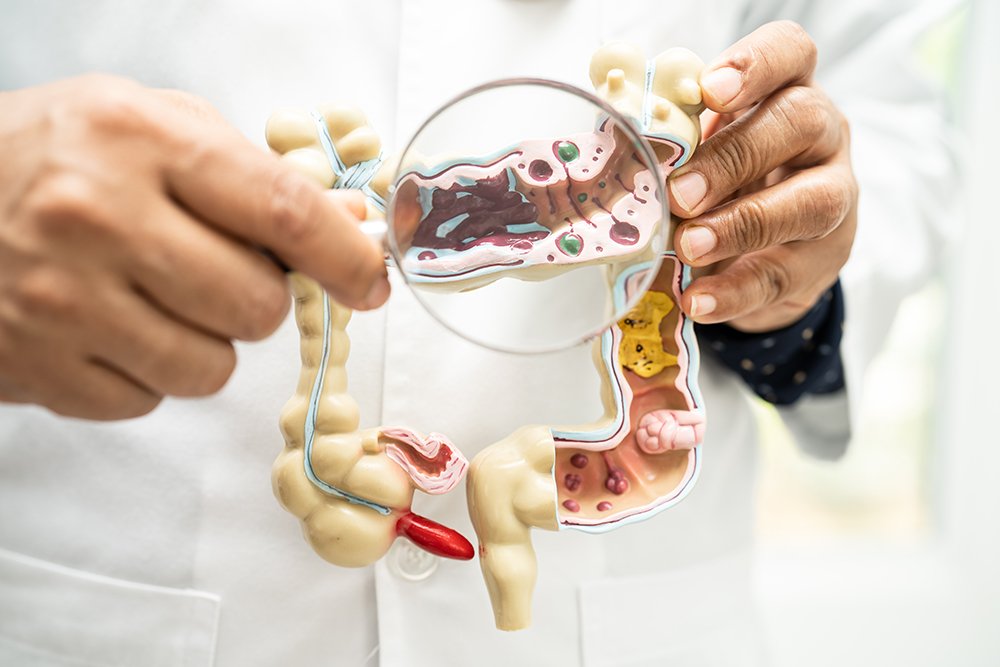
Symptoms of Crohn’s Disease
- Diarrhea (often frequent or urgent)
- Abdominal pain or cramping
- Blood in stool (or rectal bleeding)
- Fatigue or chronic tiredness
- Weight loss or reduced appetite
- Mouth sores or ulcers in digestive tract
- Fever during flare-ups

Crohn’s and Ulcerative Colitis Treatments Miss the Boat
The usual ulcerative colitis treatments and Crohn’s disease treatments are not good enough. I have written about this before and spoken about it on YouTube. The usual treatments for ulcerative colitis or Crohn’s are anti-inflammatory drugs or immune-suppressing drugs. The way they work is by shutting down the immune response. However, it isn’t that effective, because the body keeps churning out more and more inflammation. Medications keep getting stronger. Once this strategy stops working, doctors will recommend surgery to remove the inflamed part of the intestines. Unfortunately, that’s not a good solution, either. 50% of Crohn’s patients who get bowel surgery have a relapse within two years.1 Those are not very good odds at all!
The reason the current treatments for ulcerative colitis and Crohn’s don’t have great outcomes is because the root causes of the gut inflammation have been ignored. Integrative and functional medicine takes a much better approach to gut inflammation. Practitioners of integrative and functional medicine investigate the root causes of an inflamed gut and use natural diet and lifestyle treatments to shut down inflammation in the gastrointestinal tract. The result? A gut that is happy, healthy, and disease-free again.

Symptoms of Ulcerative Colitis
- Diarrhea, often with blood or pus
- Abdominal pain or cramping
- Urgent need to have a bowel movement
- Feeling of incomplete evacuation after a bowel movement
- Rectal pain or rectal bleeding
- Fatigue or low energy
- Unintentional weight loss
- Fever during flare-ups
- Reduced appetite

Integrative and Functional Medicine Approach to Ulcerative Colitis and Crohn’s
Integrative and functional medicine practitioners take a totally different angle on this. Instead of just calming symptoms, they ask what’s actually driving the inflammation — why the immune system is so fired up — and dig into the root causes behind the whole process. Many people have had their ulcerative colitis or Crohn’s go into remission with this approach, without relying on a lifetime of immune-suppressing drugs or surgery.

The Institute for Functional Medicine organizes and differentiates the root causes of disease from the signs and symptoms of disease.
I break down the most common root causes of inflammatory bowel disease (and why this topic is near and dear to my heart) in my earlier article: “Ulcerative Colitis and Crohn’s: Address the Root Causes of Inflammation and Bring About Remission Without Drugs or Surgery.” I’ll summarize the root causes of gut inflammation here.
Root Causes of Crohn’s Disease and Ulcerative Colitis
Gut microbiome
Infections, microbial imbalances, or a weak population of “good” bacteria can all crank up inflammation in the gut and even trigger flares. This is why things like antibiotics and probiotics influence gut inflammation.
Diet
The foods you eat send constant signals to your gut. Those signals can either drive inflammation through the roof— or calm it down. Since people with IBD may react differently to certain foods, it’s critical to dial in a personalized, anti-inflammatory diet for ulcerative colitis and Crohn’s disease.
Food sensitivities and allergies
Many people eat foods every single day that quietly inflame their intestines and set the immune system into a tailspin. Often, they don’t even realize it. Examples of foods that may encourage gut inflammation are wheat gluten, dairy, soy, eggs, and corn.
Nutrition
The gut and immune system act like a runaway train without the essential vitamins, minerals, healthy fats, and protein needed for proper performance. On top of that, having gut inflammation can actually make it harder for the body to get these critical nutrients.
Intestinal permeability or leaky gut
Inflammation damages the gut lining, so it’s almost always a problem in Crohn’s disease and ulcerative colitis. Healing this barrier is essential because it helps calm inflammation (both gut and whole-body inflammation). But perhaps more importantly, a healthy gut lining resets the immune system and puts it back on track.
#1 Test for Root Causes of Crohn’s, Ulcerative Colitis, and Gut Inflammation
If you asked me for the single most important test to get to the root causes of gut inflammation, I’d say to run the GI-MAP® from Diagnostic Solutions. This is the test I recommend for every person with Crohn’s or ulcerative colitis. It helps uncover the root causes of gut inflammation, diarrhea, and intestinal bleeding. A major reason I like this test so much, and why it is the most popular stool test in the integrative and functional medicine industry, is because it uses quantitative polymerase chain reaction. qPCR is the best technology for identifying and quantifying tiny amounts of microbes. This test can uncover things that other tests miss.
Conflict of Interest: To be fully transparent, I have a long history with Diagnostic Solutions Laboratory. They are a client and they are the sponsor of this blog. I have known the innovators at DSL for decades and they are friends and colleagues. With all of that in mind, I assure you that my opinion is still 100% honest and authentic. I am very familiar with other comprehensive stool tests that look for root causes of chronic gut illnesses. I genuinely see this test as the #1 best stool test on the market today and that’s why I recommend it to friends, family, and colleagues when they need a powerful test to uncover the root causes of gut inflammation.
Most people with IBD have no idea what’s actually living (or overgrowing) in their gut — and that information is gold. In cases of inflammatory bowel disease, I routinely see these patterns in stool tests:
- Low good bacteria
- Inflammation markers
- Infections with pathogenic and opportunistic bacteria (missed by previous tests)
- Candida overgrowth
- Reactivity to gluten
Don’t miss this case study: a 45-year-old woman experienced a Crohn’s disease cure when she followed an integrative and functional medicine approach and addressed root causes of her gut inflammation using a GI-MAP stool test. Yep, I’m telling the truth! Check it out.
Next, I will explain some of the key reasons why the GI-MAP stool test is the best test for ulcerative colitis, Crohn’s, and gut inflammation.
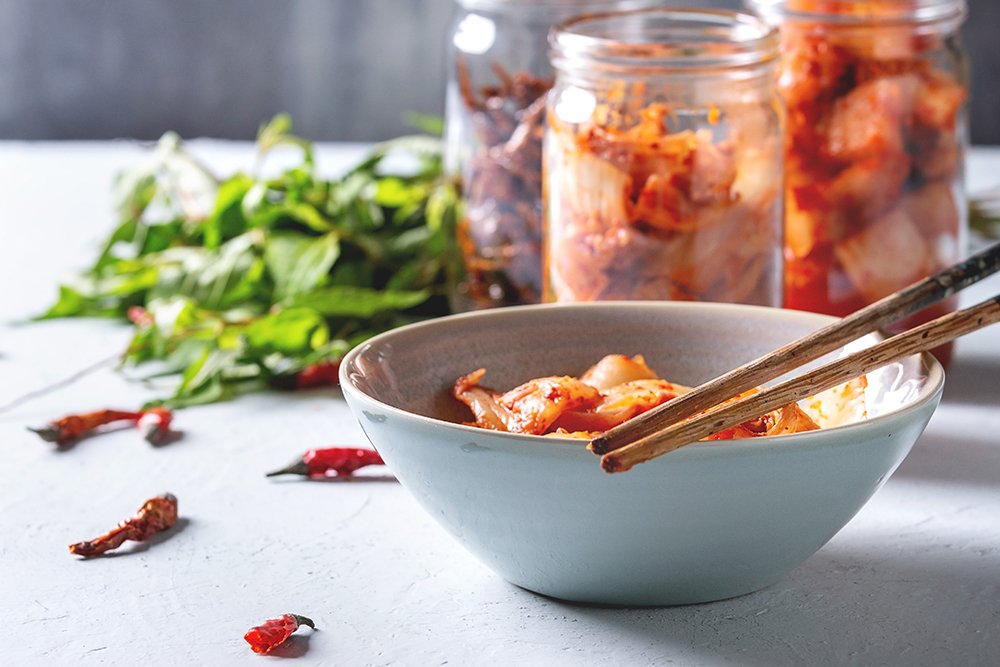
1. Comprehensive analysis of the friendly bacteria
Research repeatedly shows that people with IBD have a fragile, imbalanced microbiome, and sometimes the immune system even starts attacking the good bacteria.2 I’ve seen antibiotics trigger inflammation flare-ups. On the other hand, probiotics can calm things down, which tells you just how influential the gut microbiome really is for Crohn’s or ulcerative colitis.
Good bacteria fend off pathogens, promote healthy metabolism, and help train the immune system to tolerate- instead of attack- foreign organisms and substances. These beneficial bacteria include popular players like Lactobacillus and Bifidobacteria species, but other friendly bacteria are Bacteroides, Akkermansia muciniphila, Faecalibacterium prausnitzii, and more. For people who have rampant inflammation in the gut, I pay close attention to levels of good gut bacteria, also known as “commensal bacteria.”
Over the years, I have noticed that people with inflammatory bowel disease may report that an antibiotic treatment sent them into a downward spiral- making their inflammation worse. Why? It’s because the microbiome is an anti-inflammatory organ. Killing it off can harm the body’s inflammatory balance. Antibiotics should be used cautiously, not carelessly, in people with risk for inflammation of the bowel. For people with gut inflammation, it is vital to carefully build up the microbiome to calm inflammation and balance the immune response.
2. Byproducts of good bacteria calm inflammation
Good bacteria are just one part of the equation. You can also learn about the health of the good bacteria by measuring their byproducts in stool, known as “postbiotics.” In addition to directly measuring the microbes themselves, the stoolOMX add-on to the GI-MAP measures short chain fatty acids (SCFAs) and bile acids. Short chain fatty acids and bile acids tell us about a person’s gut microbiome from the other side of the equation- their byproducts.
By measuring good bacteria and their beneficial byproducts, you can figure out if one root cause of gut inflammation is a depleted microbiome. Low levels of SCFAs and low secondary bile acids could be a clue that the gut microbiome is struggling and depleted. It may also point to problems with the gut lining and increased inflammation.
SCFAs do many great things for gut health and overall health. SCFAs are anti-inflammatory, promote the gut barrier, and regulate the immune response in the gut.3 They feed cells in the gut lining and nourish the microbiome. Of SCFAs, butyrate is a superstar, powering up cells that line the colon.3
Bile acids help us digest and absorb fats. In Crohn’s disease and ulcerative colitis, bile acids become imbalanced in ways that promote inflammation.4-6 Since the gut microbiota are instrumental in metabolizing bile acids, changes to bile acids point to underlying imbalances in the gut microbiome.7,8
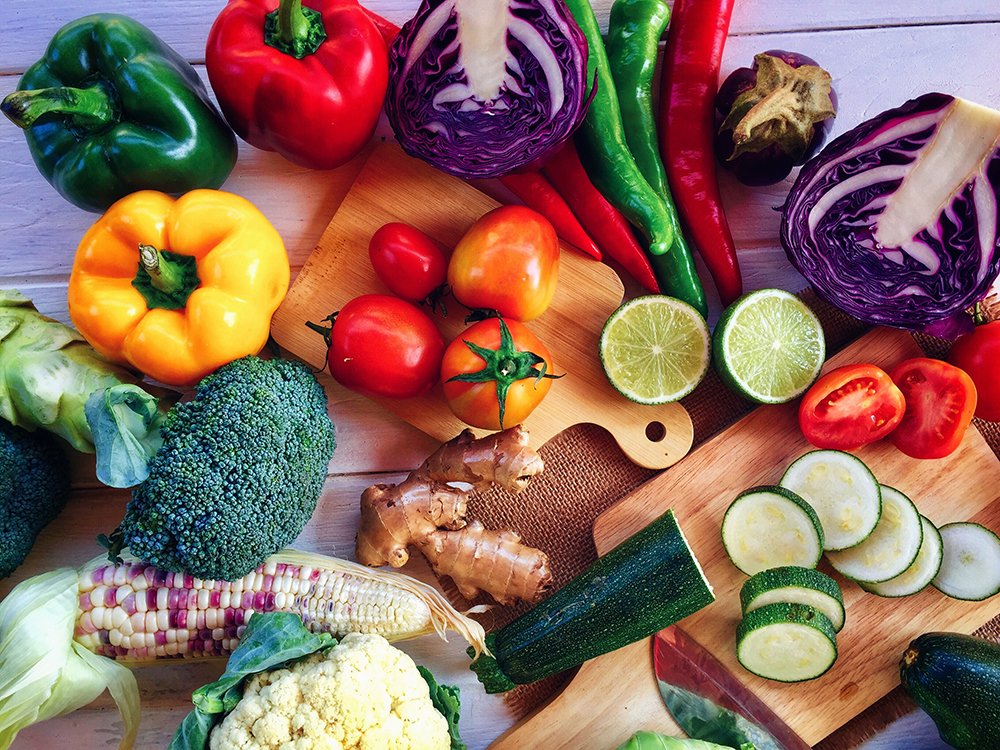
You can work with your practitioner to balance the gut microbiome and turn off inflammation. Treatments may include colorful vegetables and fruits, probiotics, prebiotics, fiber (if tolerated), and fermented foods. Indeed, probiotics, prebiotics, and short chain fatty acids show promise for their ability to improve Crohn’s disease and ulcerative colitis gut inflammation.3

3. Gold standard marker of gut inflammation
Everyone who has gut inflammation needs to know their fecal calprotectin levels. The GI-MAP includes calprotectin, which is a gold standard marker of inflammation in the gut lining. It is high when there is inflammation. This marker can help decipher between inflammatory bowel disease (IBD) versus irritable bowel disease (IBS). That’s because in IBD, stool calprotectin is high while it is normal in IBS. Calprotectin can be monitored on a regular basis to see if inflammation is getting better or worse with treatment. Because there are many calprotectin tests out there, it is best to measure it with the same lab, to ensure you can compare the before and after results directly to each other, “apples to apples.”
The GI-MAP also includes eosinophil protein X and occult blood. These are often elevated in people with ulcerative colitis or Crohn’s disease. Eosinophil Activation Protein (EAP) gives you a look at what’s happening inside an inflamed gut. It can even provide a clue as to what might be causing it. Eosinophils are immune cells that launch into action when the gut is under attack by inflammation, infections, allergies, or food sensitivities. Tracking EAP over time lets you see whether your gut inflammation is calming down or flaring up. Like calprotectin, it can help judge whether your treatment plan is actually working.
4. Pathogenic and opportunistic bacterial infections
It’s a well-known fact that certain bacterial infections cause gut inflammation.2 There are many bacteria in the gut and most of them are harmless. However, some bad players can take over and do serious harm under the right circumstances. When a person has diarrhea and gut inflammation similar to ulcerative colitis or Crohn’s disease, clinicians are first supposed to test for common pathogenic bacterial infections that could easily be mistaken for inflammatory bowel disease: Salmonella, Shigella, Escherichia coli, Yersinia, Campylobacter, and C. difficile.
Has your doctor tested you for these? A routine stool test that cultures these bacteria is likely to give you inaccurate results. Make sure to ask for PCR or qPCR stool testing methods to get the most accurate and trustworthy results.
Clostridioides difficile (previously Clostridium difficile) is commonly found in hospitals and can set up shop in the human gut. It typically takes over and thrives after a course of antibiotics, when protective good bacteria have been killed off.9 C. difficile infection can cause diarrhea and even life-threatening colitis or death.10 On the other hand, it may cause no symptoms at all.
C. difficile infection is a common complication of IBD and can lead to flare-ups of IBD.9 C. difficile infection has similar symptoms to Crohn’s and ulcerative colitis. Like these conditions, C. diff shows up when you have an imbalanced gut microbiome. In IBD patients who have C. difficile infection, treatments may not work and the risk of hospitalization, surgery, and death are increased.9
Other common bacteria that overgrow in people with Crohn’s disease or ulcerative colitis are Escherichia such as Adherent-Invasive Escherichia coli, Citrobacter, and Klebsiella species.11
Klebsiella pneumoniae has been suggested as a causative agent of IBD.12 It has a key role in Crohn’s disease gut and joint tissue damage.13 This opportunistic pathogen is commonly isolated from the GI tract of individuals with IBD.12,13 Furthermore, people with ulcerative colitis and Crohn’s are more likely to have IgG antibodies to Klebsiella pneumoniae.14 This is an important infection to test for if you’re struggling with ulcerative colitis or Crohn’s disease gut inflammation.
The GI-MAP tests C. difficile, Escherichia, Klebsiella, and Citrobacter species as well as many other bad players that can cause diarrhea and gut inflammation. Before deciding to go on long-term immune-suppressing medications or scheduling intestinal surgery, it is critical that you work with a knowledgeable integrative and functional medicine provider to rule out these microbes as a root cause of your gut inflammation.
Natural treatments for gastrointestinal bacterial infections may include eating a whole-foods diet free of sugar and ultra-processed foods, taking probiotics, prebiotics, improving digestion, and antimicrobial agents. Remember that antibiotics can do more harm than good; so, proceed with caution (and work with healthcare practitioners who understand this, too).
5. Candida imbalance or “yeast overgrowth”
Fungal overgrowth can fuel the fires of ulcerative colitis, Crohn’s disease, and gut inflammation.2,15 Candida can also make virulence factors that provoke inflammation and damage the gut lining.16
Many people can keep gastrointestinal Candida levels in check, probably thanks to a strong immune response. Others are more prone to fungal dysbiosis. When we eat sugary foods and take antibiotics, we encourage Candida to overgrow. Unfortunately, the widespread use of antibiotics makes nearly everyone a candidate for yeast overgrowth. But additional clues such as vaginal yeast infections, jock itch, athlete’s foot, skin rashes, chronic fatigue, brain fog, oral thrush, constipation, diarrhea, or bloating would further build the case for the possible role of Candida in Crohn’s disease or ulcerative colitis gut inflammation.
Treating yeast overgrowth involves going on a diet that is very low in sugar and starches to “starve out” fungi. Clinicians often give antifungal herbs or medications to kill fungus, as well as probiotics that can crowd out fungus.
6. Gluten can promote inflammation in the gut
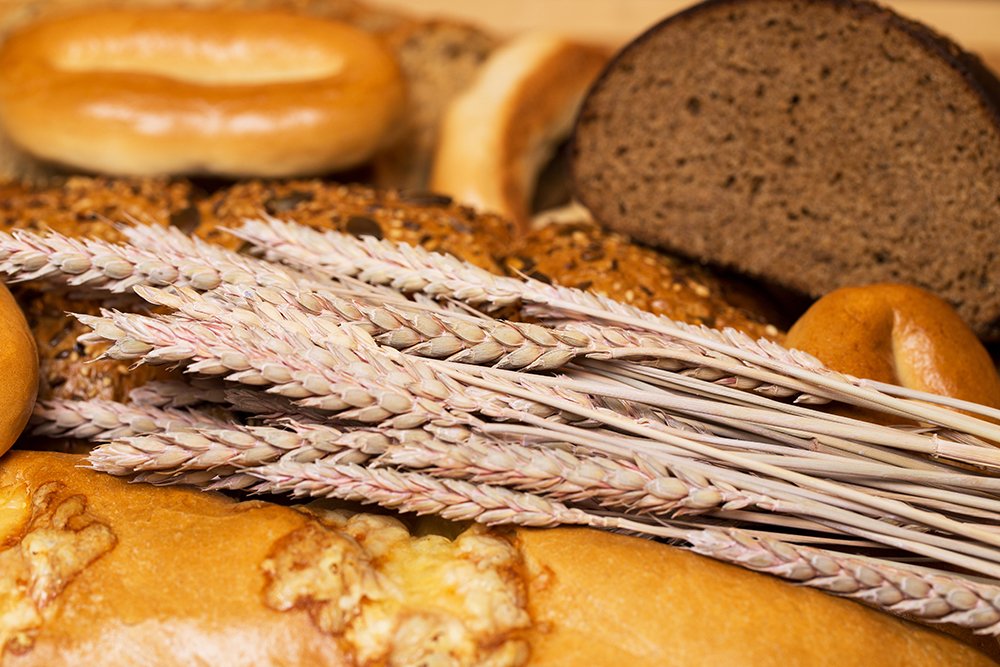
Gluten is a trouble-maker when it comes to a healthy immune response in the gut.17-19 Gluten-free diets helped those with Crohn’s disease18,20 and improved symptoms in a majority of people with gut inflammation.21 Numerous studies suggest that, for patients with inflammation in the gut, clinicians should screen regularly for gluten reactivity and trial a gluten-free diet to see if reduces inflammation.18 Authors say it has the potential to be a safe and highly efficient therapeutic approach.”21
The GI-MAP includes fecal anti-gliadin IgA antibody, which can help to determine if gluten in the diet is fanning the fires of gut inflammation. This is not a diagnostic test of celiac disease or gluten sensitivity. However, it helps identify if a person’s immune system is reacting to gluten at the gut lining interface. When levels are high, a gluten-free diet trial is in order.
Gluten is only one food among many that can send a person into a gut-inflammation tailspin. That is why my second most recommended test for ulcerative colitis and Crohn’s disease is an IgG food sensitivity (with IgE food allergy) test. In my experience, people with ulcerative colitis or Crohn’s often show many problems in their gut microbiome, or many food sensitivities, or both. Addressing the gut microbiome, the health of the gut lining, as well as getting problem foods out of the diet are all vital for cooling off inflammation. This two-prong approach can help relieve gut inflammation in at least 70% of people, in my experience.

Why Conventional Doctors Miss This
Mainstream medicine usually checks people with diarrhea or gut inflammation for the most common pathogens, like C. diff, and then calls it a day. But they’re not checking:
- Your levels of good bacteria (via direct and indirect measurement)
- Other pathogenic and opportunistic organisms
- Yeast or fungal overgrowth
- Consistent monitoring of inflammation markers
- Reactions to gluten
Conventional doctors don’t have many tricks up their sleeves when it comes to lowering gut inflammation with supplements, customized diets, or food sensitivities for Crohn’s disease or colitis, either. Further, they may not be using the best methods for measuring pathogenic microbes, so they could miss a brewing infection. They should instead choose PCR or qPCR tests, which are superior for sensitive detection of microbes at low levels.
This missing information could make all the difference for your case. These are all things that, if overlooked, can keep inflammation roaring.
How do Colonoscopy Tests Compare to Comprehensive Stool Testing?
The #1 test for diagnosing inflammatory bowel disease is colonoscopy. It allows doctors to directly see inflammation, ulcers, strictures, and bleeding inside the colon and terminal ileum. It also lets them take biopsies, which are essential for confirming the diagnosis of an inflamed bowel and distinguishing Crohn’s from ulcerative colitis. When you need a diagnosis, colonoscopy will help figure out if gut inflammation has gone haywire. However, a colonoscopy doesn’t tell you what is causing the inflammation. It does not test for imbalances in the microbiome. That’s where a comprehensive stool test like the GI-MAP helps to uncover root causes of gut inflammation. Both tests are very helpful in their own respective areas.
End Gut Inflammation with an Integrative and Functional Medicine Approach
If you’re trying to get to the bottom of gut inflammation, there is a path forward—one that goes deeper than medications and looks directly at the root causes of what’s driving your symptoms. A gut inflammation test like the GI-MAP can reveal hidden infections, microbiome imbalances, Candida overgrowth, gluten reactions, and other issues that fuel Crohn’s disease and ulcerative colitis. You and your healthcare team should be on the lookout for potential pathogens like C. difficile, Shigella, E. coli, Campylobacter, Klebsiella, and Citrobacter. When you combine those insights with natural, functional medicine strategies—like targeted nutrition, personalized diets, probiotics, and microbiome-supportive therapies—you’re no longer just managing symptoms; you’re actually working toward a gut inflammation cure. Whether you’re exploring colon inflammation natural treatment options, wondering “What is the root cause of Crohn’s disease?,” or trying to find the best functional medicine ulcerative colitis plan, this approach gives you real answers and a real roadmap to healing. If gut inflammation has been running your life, this is the moment to take the reins back.
Key Takeaways for Cooling Off Crohn’s Disease and Ulcerative Colitis Gut Inflammation
-
Work with an integrative or functional medicine provider who can interpret your results and build a personalized plan including probiotics, prebiotics, antimicrobials, and more, as needed.
-
Eat a whole-foods, anti-inflammatory diet that removes processed foods, excess sugar, and alcohol.
-
Get a cutting-edge stool test that uses the best technology to measure:
- Good bacteria, known as commensal bacteria
- Pathogenic bacteria and opportunistic bacterial infections, especially Salmonella, Shigella, Escherichia coli, Yersinia, Campylobacter, C. difficile, Citrobacter, and Klebsiella
- Candida
- Inflammatory markers, such as calprotectin
-
Do not rely on stool culture tests alone.
-
Investigate food sensitivities or food allergies to wheat gluten and other allergenic foods.
-
Avoid unnecessary antibiotics, which can worsen gut issues.
- Restore health to the gut lining, in line with your practitioner’s guidance, using nutrients like glutamine, zinc carnosine, omega-3s, and soothing herbs.
-
Lower daily inflammation with stress reduction, gentle movement, and better sleep.
-
Test and replenish key nutrients, which may hold back tissue healing and healthy immune function.

Diagnostic Solutions Laboratory bridges the gap between healthcare providers and the clinical laboratory by offering cutting-edge laboratory tests such as GI-MAP, OMX (Organic Metabolomics), IgG Food Explorer, IgE Allergy Explorer, CytoDX, and GenomicInsight. Designed to identify underlying root causes of symptoms and disease, our test results give practitioners the tools needed to formulate personalized treatment protocols for optimized patient outcomes. Our commitment to education and service ensures both practitioners and their patients will benefit from the latest research.
References
- Lichtenstein GR, Loftus EV, Isaacs KL, Regueiro MD, Gerson LB, Sands BE. ACG Clinical Guideline: Management of Crohn’s Disease in Adults. The American journal of gastroenterology. Apr 2018;113(4):481-517. doi:10.1038/ajg.2018.27
- Carlson SL, Mathew L, Savage M, et al. Mucosal Immunity to Gut Fungi in Health and Inflammatory Bowel Disease. J Fungi (Basel). Nov 14 2023;9(11)doi:10.3390/jof9111105
- Shin Y, Han S, Kwon J, et al. Roles of Short-Chain Fatty Acids in Inflammatory Bowel Disease. Nutrients. Oct 21 2023;15(20)doi:10.3390/nu15204466
- Yang ZH LF, Zhu XR, Suo FY, Jia ZJ, Yao SK. Altered profiles of fecal bile acids correlate with gut microbiota and inflammatory responses in patients with ulcerative colitis. World J Gastroenterol. 2021;27(24):3609-3629. doi:10.3748/wjg.v27.i24.3609
- Thomas JP MD, Rushbrook SM, Powell N, Korcsmaros T. The Emerging Role of Bile Acids in the Pathogenesis of Inflammatory Bowel Disease. Front Immunol. 2022;13:829525. doi:10.3389/fimmu.2022.829525
- Sommersberger S GS, Elger T, et al. Altered fecal bile acid composition in active ulcerative colitis. Lipids Health Dis. 2023;22(1):199. doi:10.1186/s12944-023-01971-4
- Larabi AB MH, Bäumler AJ. Bile acids as modulators of gut microbiota composition and function. Gut Microbes. 2023;15(1):2172671. doi:10.1080/19490976.2023.2172671
- Collins SL SJ, Bisanz JE, Okafor CD, Patterson AD. Bile acids and the gut microbiota: metabolic interactions and impacts on disease. Nat Rev Microbiol. 2023;21(4):236-247. doi:10.1038/s41579-022-00805-x
- Sehgal K, Yadav D, Khanna S. The interplay of Clostridioides difficile infection and inflammatory bowel disease. Therap Adv Gastroenterol. 2021;14:17562848211020285. doi:10.1177/17562848211020285
- Czepiel J, Drozdz M, Pituch H, et al. Clostridium difficile infection: review. Eur J Clin Microbiol Infect Dis. Jul 2019;38(7):1211-1221. doi:10.1007/s10096-019-03539-6
- Khorsand B, Asadzadeh Aghdaei H, Nazemalhosseini-Mojarad E, Nadalian B, Nadalian B, Houri H. Overrepresentation of Enterobacteriaceae and Escherichia coli is the major gut microbiome signature in Crohn’s disease and ulcerative colitis; a comprehensive metagenomic analysis of IBDMDB datasets. Frontiers in cellular and infection microbiology. 2022;12:1015890. doi:10.3389/fcimb.2022.1015890
- Kaur CP, Vadivelu J, Chandramathi S. Impact of Klebsiella pneumoniae in lower gastrointestinal tract diseases. J Dig Dis. May 2018;19(5):262-271. doi:10.1111/1751-2980.12595
- Rashid T, Ebringer A, Wilson C. The role of Klebsiella in Crohn’s disease with a potential for the use of antimicrobial measures. International journal of rheumatology. 2013;2013:610393. doi:10.1155/2013/610393
- Tiwana H, Wilson C, Walmsley RS, et al. Antibody responses to gut bacteria in ankylosing spondylitis, rheumatoid arthritis, Crohn’s disease and ulcerative colitis. Rheumatology international. 1997;17(1):11-6.
- Patnaik S, Durairajan SSK, Singh AK, et al. Role of Candida species in pathogenesis, immune regulation, and prognostic tools for managing ulcerative colitis and Crohn’s disease. World J Gastroenterol. Dec 28 2024;30(48):5212-5220. doi:10.3748/wjg.v30.i48.5212
- Fuchtbauer JD, Brovkina O, Sivickis K, et al. Gut Mycobiome in Inflammatory Bowel Disease: A Systematic Review of Case-Control Studies. Inflammatory bowel diseases. Nov 1 2025;31(11):3213-3224. doi:10.1093/ibd/izaf217
- Cenni S, Sesenna V, Boiardi G, et al. The Role of Gluten in Gastrointestinal Disorders: A Review. Nutrients. Mar 27 2023;15(7)doi:10.3390/nu15071615
- A G, Sun C, Shan Y, Husile H, Bai H. Bidirectional causal link between inflammatory bowel disease and celiac disease: A two-sample mendelian randomization analysis. Frontiers in genetics. 2022;13:993492. doi:10.3389/fgene.2022.993492
- Bakewell C, Ashton JJ, Vadgama B, Beattie RM, Batra A. Prevalence and clinical characteristics of children with coexisting coeliac disease and inflammatory bowel disease. Archives of disease in childhood. May 12 2025;doi:10.1136/archdischild-2025-328470
- Casella G, Di Bella C, Salemme M, et al. Celiac disease, non-celiac gluten sensitivity and inflammatory bowel disease. Minerva gastroenterologica e dietologica. Dec 2015;61(4):267-71.
- Herfarth HH, Martin CF, Sandler RS, Kappelman MD, Long MD. Prevalence of a gluten-free diet and improvement of clinical symptoms in patients with inflammatory bowel diseases. Inflammatory bowel diseases. Jul 2014;20(7):1194-7. doi:10.1097/mib.0000000000000077
Cass Nelson-Dooley, MS, is a researcher, author, educator, and laboratory consultant. She studied medicinal plants in the rain forests of Panama as a Fulbright Scholar and then launched a career in science and natural medicine. Early on, she studied ethnobotany, ethnopharmacology, and drug discovery at the University of Georgia and AptoTec, Inc. She joined innovators at Metametrix Clinical Laboratory as a medical education consultant helping clinicians use integrative and functional laboratory results in clinical practice. She owns Health First Consulting, LLC, a medical communications company with the mission to improve human health using the written word. Ms. Nelson-Dooley is an oral microbiome expert and author of Heal Your Oral Microbiome. She was a contributing author in Laboratory Evaluations for Integrative and Functional Medicine and Case Studies in Integrative and Functional Medicine. She has published case studies, book chapters, and journal articles about the oral microbiome, natural medicine, nutrition, laboratory testing, obesity, and osteoporosis.

