

If your gastrointestinal health is failing, it may be the food you are eating every day. Clinicians, consumers, and many scientists recognize the link between the food we eat and our gastrointestinal health. In integrative and functional medicine, specialized diets are a popular way to reduce gut symptoms such as diarrhea, constipation, gas, bloating, and abdominal cramps. One food that has a bad track record for gut health is gluten. It seems to fan the fires of inflammation in people who have celiac disease, gluten sensitivity, or even those who struggle with bowel irregularity. Practitioners and patients, we will review common tests to pinpoint if gluten could be wrecking your intestinal health. We will talk about the strong evidence showing that gluten does no favors for an inflamed gut, and instructions of how to do a gluten-free diet trial to figure out if gluten really is a problem for you.
We are grateful to our sponsor, DaVinci Laboratories, for making this blog possible.

DaVinci Laboratories has a suite of products that support every stage of a gut health program. They have over 50 years of experience and leadership in the supplement industry. Innovative, evidence-based, and committed to purity, I have been using and recommending their products for over 18 years.

A Burning Fire in the Gut
An unhealthy inflammatory response in the gut is serious business and should be addressed as soon as possible. Inflammation in the gut can affect the intestinal barrier, leading to leaky gut. This can set off autoimmune conditions, systemic inflammation, and joint pain.1
My grandmother suffered from Crohn’s disease, a type of chronic intestinal inflammation characterized by pain, diarrhea, weight loss, and intestinal bleeding. Unable to control her Crohn’s with medications, she eventually had intestinal surgery to bypass her colon and create a hole from her gut to the outside of her body where the contents of her small intestine emptied into an ileostomy bag.
My grandmother was proof and it’s the same today: the options for managing inflammatory bowel disease (IBD) are not good enough. They focus on managing the symptoms with medications and surgery, without addressing the root causes. However, there are other diet and lifestyle solutions out there that should be incorporated by practitioners, and they carry no side effects. I have written about diet and lifestyle treatments that are used to successfully reduce gut inflammation as well as a woman whose gut inflammation and IBD diagnosis completely resolved with an integrative and functional medicine approach.
What if avoiding one food could cool off the immune system and get rid of symptoms like diarrhea or abdominal pain?

The Top Foods to Avoid for An Unhealthy Gut
If you have symptoms of an irritated gut, you might be advised to try a gluten-free diet, stop eating dairy, or go on an elimination diet. These can be game-changers if you are struggling with uncomfortable loose stools, abdominal cramps, or bloating. Even though they can lead to dramatic improvements; these methods don’t work for everyone all the time.
Certain foods can be inflammatory or allergenic. The most popular food restrictions I see being used by integrative and functional medicine practitioners are removing gluten and dairy from the diet. This can bring about rapid relief of gut symptoms and cool off gut inflammation. I estimate that at least 70% of integrative and functional medicine providers recommend that their patients remove all gluten and dairy from the diet, for a one- to three-month trial, to help address chronic gut issues. Why?
Gluten and dairy can set the immune system on red alert, leading to abnormal bowel habits. They can fan the fires of inflammation. They can disrupt a healthy gut barrier. Most people who eliminate dairy and wheat from their diets will notice an improvement in a range of symptoms. They may report better gut function, respiratory health, higher energy, more comfortable joints, stronger immune defenses, and more.
Some people will get such dramatic improvement, they decide to permanently remove gluten and/or dairy from their diets. Others may notice the improvement is only mild, so they may go back to eating some of the foods of their previous diet. I’ll explain later in this article how to do a gluten-free trial.
Wheat and dairy are not the only culprits, but they top the list of foods to avoid. That’s because when someone removes them, it can make a whopping impact, giving them much better quality of life- in a matter of days.
Other foods besides gluten can be very problematic for people with gut inflammation, especially dairy (think of ice cream, yogurt, cheese, milk), eggs, soy, and corn. In fact, IgE food allergies are common in people with gut inflammation. Higher food allergy levels can predict more severe symptoms.2 Gut irritability can also be caused by food allergens in the diet.3
The role food allergens play in inflammation of the GI tract has led scientists to recommend personalized diets for people with gut issues.2

Does Gluten Cause Gastrointestinal Problems?
If you live in the United States, you are now very familiar with gluten, even if you eat it regularly with no issues. There is a widespread perception in the public that gluten may contribute to gut issues.4 There are many studies to back up this pervasive view of gluten, which I will break down for you later.5 But some clinicians and researchers argue that it isn’t true.4 Still, the people have spoken. They are interested in going gluten free, probably because many notice a difference. At the time of this writing, there were a whopping 33,100 internet searches per month for “gluten-free diet.”
Gluten refers to a protein fraction found in grains such as wheat, barley, and rye. Gluten is hard to digest and it gives wheat baked goods their soft, chewy, elastic texture. In about 1% of the Western population, gluten can trigger celiac disease; an autoimmune reaction that inflames and damages the gut lining, throws the immune system into chaos, and makes it hard to absorb nutrients from the diet.5
Wheat is not a terrible food. However, it can be terrible for certain people, especially those with celiac or non-celiac gluten sensitivity. We don’t know why so many people feel better when they remove gluten from their diets. There could be many reasons. It could be how wheat gluten has changed over the centuries from the wheat our ancestors ate. It could be mold contamination of wheat that is stored after harvesting, the overprocessing of wheat,6 or immune cross-reactivity.7,8 People from the United States have also commented that wheat from the US triggers symptoms, yet they can tolerate gluten when they go to Europe, suggesting geographical differences in cultivation, processing, or treatment of the grain.
The gluten-free diet has become a fad, but avoiding gluten isn’t a good thing for everyone. Going on a gluten-free diet can actually cause some unintended consequences, such as nutritional deficiencies, toxicity, morbidity, and mortality.9 That’s why customized diets should be administered by an integrative and functional medicine practitioner, especially if a diet is used for more than three months.

Symptoms of Gluten-Related Disorders
- Abdominal pain
- Bloating
- Constipation
- Diarrhea
- Gas
- Nausea
- Oral health symptoms such as canker sores, discolored teeth, swollen tongue, or an inflamed mouth-lining
- Systemic symptoms may include fatigue, brain fog, headaches, joint pain, skin rashes, and mood changes

Gluten Can Increase Gut Inflammation
Gluten is a troublemaker when it comes to balancing the immune response in the gut.5 It may also contribute to bacterial imbalance in the gut and break down the gut lining- both important immune defenses against illness.
There is a strong bidirectional, causal relationship between celiac disease and unchecked gut inflammation. In fact, people with celiac are > 11 times more likely to develop an inflamed gastrointestinal tract than the normal population.10 It’s not recent news. This well-established link was first reported more than 50 years ago, in 1969. The same thing shows up in children with gut inflammation: one in 25 have celiac disease.11
A gluten-free diet helped those with Crohn’s disease and researchers advocate for gluten-free diets in patients with gut inflammation, especially if it they don’t get better with the usual treatments. 10,12
The majority of people with gut inflammation had some form of improvement in their gut symptoms on a gluten-free diet, according to one study. The message to clinicians was: “Testing a gluten-free diet in clinical practice in patients with significant intestinal symptoms…has the potential to be a safe and highly efficient therapeutic approach.”13 This recommendation is repeated in study after study. In patients with inflammation in the gut, clinicians should screen regularly for gluten reactivity and use a gluten-free diet to see if they can get clinical results.,10
How hard would it be to avoid one food trigger to see if the gut could calm down and go back into a healthy balance?

Gluten Sensitivity Can Lead to Gut Imbalances
What if you have health problems when you eat gluten- either gut symptoms or systemic symptoms- but you don’t have celiac disease? This is called non-celiac gluten sensitivity (NCGS) or just “gluten sensitivity.” People with gluten sensitivity feel bad when they eat gluten, but they don’t have celiac disease or a wheat allergy according to their blood tests.
In people with celiac disease or non-celiac gluten sensitivity, gluten can fan the fires of inflammation, promoting gut dysbiosis and gut permeability, which can even harm the brain.14
Both people with inflammation in the gut and those with an irritable gut report that their symptoms are worse when they eat gluten. Their symptoms get better off of gluten.12 Gluten sensitivity is more pronounced in those with heightened gut inflammation and researchers recommend a gluten-free diet to help improve their gut function.3

4 Essential Steps to Gut Health
There are many diet and lifestyle interventions that can help cool off inflammation in the gastrointestinal tract, however manipulating the diet is a powerful way to change things quickly. In my previous articles, I find the following four steps to be critically important to bring the gut back to a healthy balance.
Four Steps to Improve Gut Health:
- Eat an anti-inflammatory, whole-foods diet, rich in colorful vegetables and free of sugar
- Address food sensitivities, celiac disease, and/or food allergies
- Balance and build the gut microbiome
- Heal and seal the gut barrier
In the next section, we will talk about tests for gluten immune reactions (blood and stool) and how to start a short-term gluten-free diet.
After testing for gluten problems and removing the culprit from the diet, it is necessary to restore the gut microbiome and the intestinal barrier. Gut health can be wildly out of balance in someone who has been eating gluten to their detriment– for a lifetime.
DaVinci Laboratories has a suite of products that support every stage of a gut health program. Their new Prebiotic Mushroom Blend builds and nourishes the gut microbiome while boosting immune function in the gut. Prebiotic Mushroom Blend contains organic reishi, maitake, and oyster mushrooms which have been used traditionally to support immunity and digestion. This product boasts an impressive >15% beta-glucans, a type of fiber responsible for healthy digestion and immune balancing. For people who want to rebuild a healthy gut after too many years of gluten reactivity, the butyrate in Prebiotic Mushroom Blend supports the gut lining, even when friendly gut bacteria are in low supply.

Tests for Gluten Issues: Could You Benefit from a Gluten-free Diet?
There are many tests to help determine if someone would benefit from a gluten-free diet. Intestinal biopsy is considered the gold standard diagnostic test for celiac, but it is an invasive test. Celiac disease can also be diagnosed with some of the tests listed below, such as tissue transglutaminase, anti-gliadin antibody, and HLA genetics. Anti-gliadin antibodies in stool and IgG antibodies to wheat are not diagnostic, but can help put together the puzzle of a person’s gluten reactions. A positive finding for any of these tests would be a reason to trial a gluten-free diet to see if it improves gut health. There is no diagnostic test for gluten sensitivity. It is usually determined based on symptoms, ruling out other gluten-related disorders, and trialing a gluten-free diet to see if it helps.
Anti-gliadin antibody blood test. Anti-gliadin antibodies are proteins produced by the immune system in response to gliadin, a component of gluten. When elevated, these antibodies, particularly IgG and IgA types, can indicate a heightened immune reaction to gluten, which occurs in celiac disease.
Tissue transglutaminase (tTG) antibodies blood test. Tissue transglutaminase antibodies are proteins produced by the immune system in response to gluten. In individuals with celiac disease, these antibodies attack the enzyme tissue transglutaminase, leading to inflammation and damage in the small intestine. Testing for tTG antibodies is crucial for diagnosing celiac disease, especially in those with atypical symptoms or who are on a gluten-free diet. It helps confirm the presence of an autoimmune response. Monitoring tTG antibody levels over time can also assess the effectiveness of a gluten-free diet.
Human leukocyte antigen (HLA) genetic testing. HLA-DQ2 and HLA-DQ8 are two genes that are strongly associated with celiac disease. While these genes are present in approximately 95% of individuals with celiac disease, they are also found in about 30–40% of the general population. In functional medicine, this test aids in diagnosing celiac disease, especially when other tests are inconclusive or when a person is already on a gluten-free diet. A negative HLA-DQ2/DQ8 test result can rule out celiac disease, providing clarity for both patients and practitioners. However, a positive result indicates genetic susceptibility, not a definitive diagnosis, and should be considered in the context of clinical history.
Anti-endomysial (EMA) antibody blood test. The EMA test detects specific antibodies in the blood that are highly indicative of celiac disease. This test is particularly useful for confirming a diagnosis when other blood tests, such as tissue transglutaminase (tTG) antibodies, yield ambiguous results. EMA testing is especially valuable in functional medicine for assessing individuals with atypical or mild symptoms, as it can identify cases that might otherwise be overlooked. Monitoring EMA levels over time can also help practitioners evaluate the effectiveness of a gluten-free diet.
IgE test for gluten or wheat allergy in blood. An IgE-mediated gluten (or wheat) allergy is a true food allergy, where the immune system overreacts and can cause immediate symptoms like hives, swelling, or even anaphylaxis. While this is different from celiac disease or non-celiac gluten sensitivity, it’s just as important to identify because reactions can be severe and potentially life-threatening.
IgG test for gluten or wheat reaction in blood. An IgG reaction to gluten or wheat is an immune response that may not cause immediate symptoms, but can still contribute to chronic inflammation and gut discomfort. Unlike an IgE allergy or celiac disease, an IgG response is considered a delayed sensitivity that may show up as bloating, fatigue, or joint pain hours or days after eating. IgG testing can be vital for pinpointing what foods to avoid to relieve gut symptoms. In the integrative and functional medicine industry, IgG testing has mixed reviews for analytical performance and reliability, so the laboratory you choose is important.
Anti-gliadin antibody in stool. Fecal anti-gliadin antibodies suggest that your immune system is reacting to gliadin, right at the gut level. This marker can indicate a localized immune response, even when blood tests for celiac disease come back negative. This is not a diagnostic marker of gluten-related disorders, but can help practitioners determine if they want patients to do a gluten-free diet trial.
Fecal gluten peptide in stool.15 These are fragments of gluten proteins that show up in stool when gluten has been recently consumed, even in small or accidental amounts. In integrative and functional medicine, this test is valuable for identifying ongoing gluten exposure in people with known sensitivities or celiac disease, especially when symptoms persist despite a gluten-free diet.
Gluten-free Diets
If test results show a strong immune reaction to gluten, or if other clinical signs call for it, a gluten elimination trial is in order. Because no food test is perfect, the gold standard method for figuring out if a food is causing your gut issues is to remove it temporarily and then reintroduce it again. Work with a knowledgeable integrative and functional medicine provider to administer the diet.
A gluten-free diet means completely removing all foods and ingredients that contain gluten. To do it right, you’ll need to avoid obvious sources like bread, pasta, cereal, crackers, and baked goods made with traditional flours—unless they’re certified gluten-free. You’ll also need to read labels carefully, because gluten can hide in sauces, soups, seasonings, and processed foods. A “gluten-free diet” is allowed to contain <20 ppm gluten. To do this experiment, you should go 100% gluten-free for at least one month, ideally three. After complete elimination for that time period, you can (reintroduce) eat gluten once or twice a day for a few days and monitor for symptoms. If you have no symptoms at all, then gluten is likely a safe food for you to eat.
This trial does not work if you simply cut down on gluten. You will not see a change in your body unless you completely go 100% gluten-free and then reintroduce gluten to monitor for symptoms. The immune system needs a complete break from gluten for a few months so it can “reboot.”
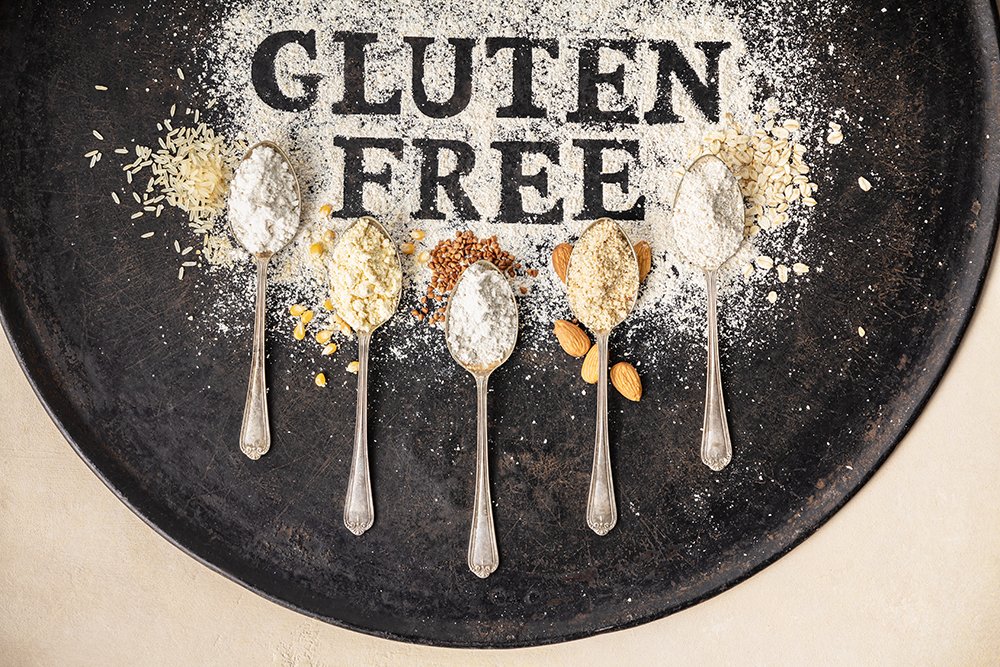
Wondering what you can eat on a gluten-free diet? In integrative and functional medicine, we recommend whole, naturally gluten-free foods like vegetables, fruits, legumes, lean proteins, nuts, seeds, and gluten-free grains like rice, quinoa, and buckwheat. When followed correctly and with the help of a knowledgeable practitioner, a gluten-free diet can be a safe, affordable way to reduce gut symptoms and support long-term healing.
A gluten-free diet trial is the right approach if you think you have non-celiac gluten sensitivity because there is currently no test to diagnose gluten sensitivity.
Gluten Contamination Elimination Diet. This diet is ideal for people who have celiac disease and are on a gluten-free diet, but are still having symptoms and their bloodwork shows they are still reacting to gluten. They may think they are doing everything possible to avoid gluten, but it’s sneaking in anyway. A gluten-free diet is sometimes not enough because it still allows trace levels of gluten, which can be harmful for some people with celiac disease. They need a gluten-free diet that truly wipes out all trace levels of gluten, too.

Why You Should Try a Gluten-free Diet for Unexplained Gut Symptoms
Gluten has a sordid history when it comes to intestinal health. Aside from celiac disease, wheat allergy, and gluten sensitivity, gluten can fan the fire of gut disturbances, especially promoting inflammation, intestinal permeability, dysbiosis, and irregular bowels. There is a well-established causal relationship between celiac disease and inflammatory bowel disease that was first discovered over five decades ago. Many experts therefore recommend testing people struggling with gut inflammation for gluten-related disorders. They also suggest that clinicians use gluten-free diets as an efficient, economical, and effective therapeutic strategy in certain tough gut cases. While gluten is not a problem for all people, those with unchecked gut inflammation should investigate it. Gluten could be the one food to avoid that could turn around their gut health. With so much evidence suggesting a link, why not try it? Consumers should find an integrative and functional medicine practitioner to oversee dietary changes lasting longer than three months to avoid the possible side effects of a gluten-free diet.
Action Steps for Unexplained Gut Inflammation
- Find an integrative and functional medicine practitioner to run blood tests and customize a safe and effective diet for your unique situation.
- Run tests to determine if you have celiac disease.
- If tests are positive, or symptoms suggest gluten sensitivity, try a 100% gluten-free diet. Remove gluten completely from the diet, including hidden sources, for 1-3 months. Then eat gluten for a few days and monitor symptoms to figure out if it is causing your symptoms.
- For people with celiac who are not improving on a gluten-free diet, try a gluten contamination elimination diet to remove traces of gluten which might be promoting inflammation.
- Use food allergy tests, food sensitivity tests, and/or an elimination diet to determine if there are other allergenic foods causing gut problems, such as dairy, egg, corn, or soy.
- Rebuild the microbiome and nourish the gut lining with DaVinci Laboratories’ Prebiotic Mushroom Blend, Mega Probiotic ND 50, and G.I. Benefits.
- Take special enzymes with meals to help break down and digest gluten.

Since 1973, DaVinci® Laboratories has been a leader in nutritional research, product development, and innovation. Our dedication to higher integrity and insistence on superior quality are reflections of our core values. Our team of experts is always willing to assist you in matters relating to nutrition. Today, DaVinci® continues to set new standards for quality and product innovation to keep you as healthy and informed as possible.
References
- Fasano A. Leaky gut and autoimmune diseases. Clinical reviews in allergy & immunology. Feb 2012;42(1):71-8. doi:10.1007/s12016-011-8291-x
- Capobianco I, Di Vincenzo F, Puca P, et al. Adverse Food Reactions in Inflammatory Bowel Disease: State of the Art and Future Perspectives. Nutrients. Jan 25 2024;16(3)doi:10.3390/nu16030351
- Aziz I, Branchi F, Pearson K, Priest J, Sanders DS. A study evaluating the bidirectional relationship between inflammatory bowel disease and self-reported non-celiac gluten sensitivity. Inflammatory bowel diseases. Apr 2015;21(4):847-53. doi:10.1097/mib.0000000000000335
- Lopes EW, Lebwohl B, Burke KE, et al. Dietary Gluten Intake Is Not Associated With Risk of Inflammatory Bowel Disease in US Adults Without Celiac Disease. Clinical gastroenterology and hepatology : the official clinical practice journal of the American Gastroenterological Association. Feb 2022;20(2):303-313.e6. doi:10.1016/j.cgh.2021.03.029
- Cenni S, Sesenna V, Boiardi G, et al. The Role of Gluten in Gastrointestinal Disorders: A Review. Nutrients. Mar 27 2023;15(7)doi:10.3390/nu15071615
- Schuppan D, Pickert G, Ashfaq-Khan M, Zevallos V. Non-celiac wheat sensitivity: differential diagnosis, triggers and implications. Best practice & research Clinical gastroenterology. Jun 2015;29(3):469-76. doi:10.1016/j.bpg.2015.04.002
- O’Bryan T, Lerner A. Nonresponsive Celiac Disease Treated with a Unique Functional Medical Approach. International Journal of Celiac Disease. 2021;9(2):41-64.
- Corouge M, Loridant S, Fradin C, et al. Humoral immunity links Candida albicans infection and celiac disease. PLoS ONE. 2015;10(3):e0121776. doi:10.1371/journal.pone.0121776
- Lerner A, O’Bryan T, Matthias T. Navigating the Gluten-Free Boom: The Dark Side of Gluten Free Diet. Frontiers in pediatrics. 2019;7:414. doi:10.3389/fped.2019.00414
- A G, Sun C, Shan Y, Husile H, Bai H. Bidirectional causal link between inflammatory bowel disease and celiac disease: A two-sample mendelian randomization analysis. Frontiers in genetics. 2022;13:993492. doi:10.3389/fgene.2022.993492
- Bakewell C, Ashton JJ, Vadgama B, Beattie RM, Batra A. Prevalence and clinical characteristics of children with coexisting coeliac disease and inflammatory bowel disease. Archives of disease in childhood. May 12 2025;doi:10.1136/archdischild-2025-328470
- Casella G, Di Bella C, Salemme M, et al. Celiac disease, non-celiac gluten sensitivity and inflammatory bowel disease. Minerva gastroenterologica e dietologica. Dec 2015;61(4):267-71.
- Herfarth HH, Martin CF, Sandler RS, Kappelman MD, Long MD. Prevalence of a gluten-free diet and improvement of clinical symptoms in patients with inflammatory bowel diseases. Inflammatory bowel diseases. Jul 2014;20(7):1194-7. doi:10.1097/mib.0000000000000077
- Philip A, White ND. Gluten, Inflammation, and Neurodegeneration. Am J Lifestyle Med. Jan-Feb 2022;16(1):32-35. doi:10.1177/15598276211049345
- Skodje GI, van Megen F, Stendahl M, Henriksen C, Lundin KEA, Veierod MB. Detection of gluten immunogenic peptides and the Celiac Disease Adherence Test to monitor gluten-free diet: a pilot study. Eur J Clin Nutr. Jun 2022;76(6):902-903. doi:10.1038/s41430-021-01054-6
Cass Nelson-Dooley, MS, is a researcher, author, educator, and laboratory consultant. She studied medicinal plants in the rain forests of Panama as a Fulbright Scholar and then launched a career in science and natural medicine. Early on, she studied ethnobotany, ethnopharmacology, and drug discovery at the University of Georgia and AptoTec, Inc. She joined innovators at Metametrix Clinical Laboratory as a medical education consultant helping clinicians use integrative and functional laboratory results in clinical practice. She owns Health First Consulting, LLC, a medical communications company with the mission to improve human health using the written word. Ms. Nelson-Dooley is an oral microbiome expert and author of Heal Your Oral Microbiome. She was a contributing author in Laboratory Evaluations for Integrative and Functional Medicine and Case Studies in Integrative and Functional Medicine. She has published case studies, book chapters, and journal articles about the oral microbiome, natural medicine, nutrition, laboratory testing, obesity, and osteoporosis.

