


Why are some kids prone to cavities and oral health issues more than others? Kids struggle with cavities and weak tooth enamel. Sometimes children’s teeth have pits in the enamel, with brown or yellow discoloration.1 They may get mouth sores. It’s not just a kid problem. Having “bad teeth” in childhood can lead to more oral health problems in adulthood, too.2 While sugar, sweets, and fruit juice can certainly damage teeth, they are not the whole story. We also need to think about the building blocks that help build indestructible teeth that are resistant to disease. Enter protein, vitamins, and minerals. The research strongly suggests that children who don’t get important vitamins and minerals have 60% more cavities and weaker enamel.1 Parents and practitioners, keep reading to find out the best vitamins for children’s teeth and gums, and the foods that are rich in those vitamins, too. You’ll also find out what to do if diet, dental hygiene, and good nutrition aren’t working for your child’s oral health.
We are grateful to our sponsor, DaVinci Laboratories.
When you want children’s nutritional supplements that contain all of the good stuff without any of the bad stuff, look to DaVinci. They have over 50 years of experience and leadership in the supplement industry. Innovative, evidence-based, and committed to purity, I have been using and recommending their products for over 18 years.
Vitamins start working to build healthy strong teeth long before birth. In fact, a child’s teeth are created while they are still in the womb- both the child’s “baby teeth” and the beginnings of the adult teeth.3,4 That means that the mother’s nutritional status during pregnancy plays a significant role in the baby’s future teeth, gums, and bones. If a pregnant mother has iron deficiency, or vitamin D deficiency, this can take a toll on the child’s teeth, setting the child up for weak teeth, poorly formed bones, or more cavities.5 Children of vegan and vegetarian mothers, or mothers who have malabsorption, can be at higher risk of vitamin deficiencies and related oral health problems.6
When it comes to undernourished moms, unfortunately the past cannot be undone. However, in the present moment, you can make sure a child’s body has all of the vitamins, minerals, and other nutrients necessary for a healthy mouth. Let’s also make sure mothers know how important their health is for their baby’s oral health, so they can get those health problems sorted out before they get pregnant. They can also supplement for nutritional deficiencies before and during pregnancy.6
Foods for Teeth Enamel and Teeth Strength
Some people think malnutrition is only a problem in developing countries or in countries where food is scarce. But even people in industrialized countries have poor vitamin levels. If a child is eating an ultra-processed diet of fast food and packaged foods like chicken nuggets and French fries, he or she may not have good nutrition. If a child won’t eat the rainbow of vegetables, the child may be malnourished. If a child wasn’t breastfed, it sets her up for a poor nutritional start. If the child has other illnesses, the body may be drained of vital nutrients. All of these scenarios can set the stage for a mouth that doesn’t have what it needs to make strong enamel, cavity-resistant teeth, and healthy gums.
The best foods for healthy teeth and gums are whole foods. A hunter-gatherer diet rich in vegetables, fiber, eggs, nuts, seeds, meats, and fish. It’s best to eat the rainbow of vegetables on 50 – 75% of your plate and eat fruits in moderation. Avoid refined flour and sugar as much as possible. Eating this way at least 80% of the time helps kids get the full benefits for teeth, gums, and overall health. The most straight-forward way to eat whole foods 80% of the time is by cooking meals at home.

Vitamin Supplements for Healthy Teeth and Gums
If a child does not eat a whole foods diet with plenty of colorful vegetables, then he or she may need vitamin and mineral supplements to fill in the nutritional gaps. This does not mean giving them gummy vitamins from the grocery store. I repeat- NOT gummies! Gummy vitamins are very high in sugar and their quality is questionable. Many of them do not contain the forms of vitamins that work best in the body.
Instead, check out DaVinci Laboratories’ Mightiest Vite, a high-quality vitamin formula. It’s a fruit-punch-flavored powder that includes the active forms of vitamins (the ones that get to work immediately in the body). Kids like the taste! It’s also rich in vitamins A, C, and D for strong teeth. It even contains probiotics and prebiotics for the gut microbiota, making it a comprehensive kids’ vitamin and gut health supplement.

Kids Need Protein, Vitamins, and Minerals for Strong Teeth and Enamel
The most important things a child needs for a healthy mouth fall into three main categories: protein, vitamins, and minerals. Protein, minerals, and vitamins A, D, and K work together to make strong teeth and enamel. They can even help to repair damaged teeth. B vitamins are vital for healthy gums and mouth tissues. Vitamin C helps make strong teeth and gums. Some of these vitamins and minerals encourage healthy saliva flow, which fights cavities.
When children don’t get enough nutrition, their teeth can’t build healthy enamel. This is called hypomineralized teeth (or low-mineral content teeth). These teeth aren’t as strong. They may be quick to break down, especially when the mouth is acidic. This isn’t just a problem for primary teeth (“baby teeth”); secondary teeth (“permanent teeth”) actually take a bigger hit and have more cavities. Not getting important nutrition can also dry out the mouth, encouraging cavities. It can leave the mouth lining defenseless and prone to infections.7
In my view, these are the most important nutrients for children’s teeth and gum health. However, this is not a complete list. Take a look at my other blog, “Vitamins for Oral Health” for more in-depth information.
These Vitamins and Minerals are My Top Picks for Kids’ Oral Health:
- Calcium
- Magnesium
- Potassium
- Zinc
- Iron
- Vitamin A
- Vitamin D
- Vitamin K2
- Vitamin C
- Folate (Vitamin B9)
- Vitamin B12
Getting vitamins and minerals from whole foods is the best way. They carry lots of different vitamins and minerals and phytonutrients that work together for good health. Below, you will find a list of whole foods that are high in each of these important vitamins and minerals. Fortified foods, when necessary, also contain higher levels of these nutrients, such as fortified flour, cereal, and/or milk.
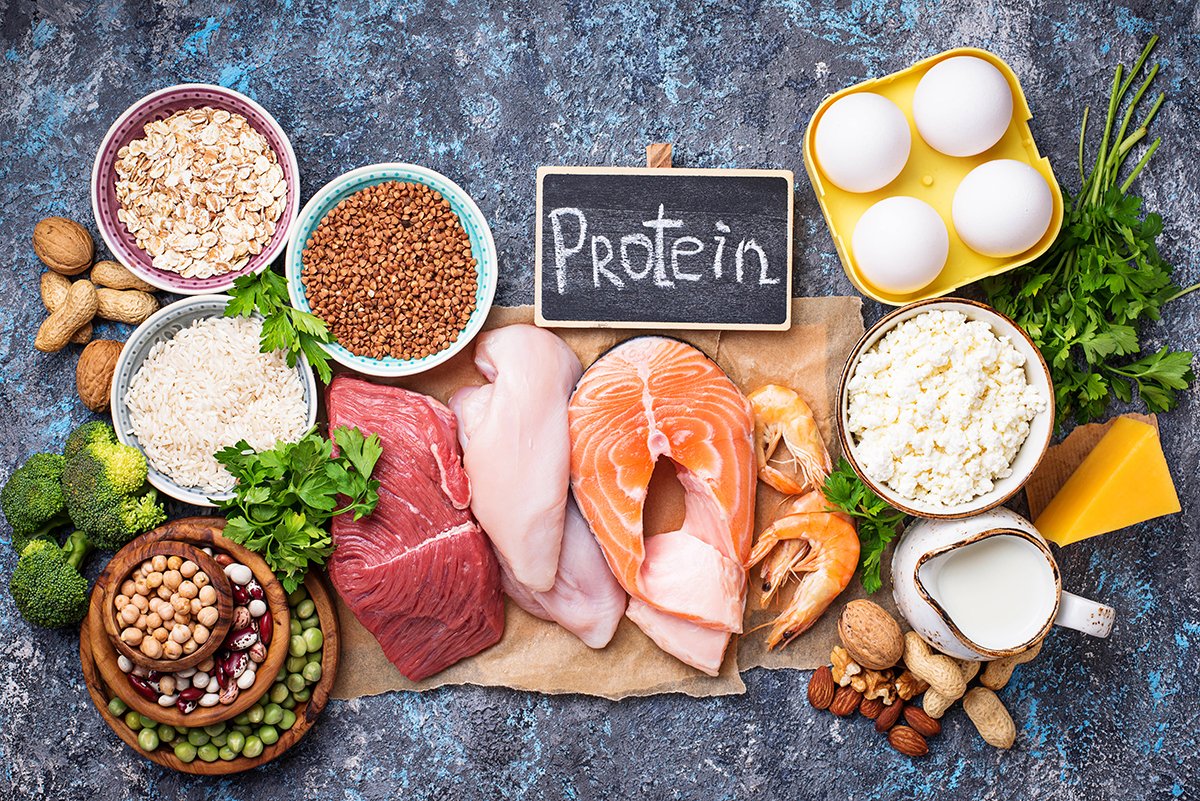
Protein Builds Strong Teeth and Helps Teeth Erupt on Time
More than a vitamin or mineral, protein is a macronutrient that packs a punch for oral health. If a child’s teeth are not erupting, or not breaking through the gums, it can be a sign that they are not getting enough protein. Protein builds strong teeth. Protein also builds tissues and ligaments in the mouth. Protein helps make collagen, an important component of bones and teeth. Vitamin C is also a key player in collagen, which we talk about later.
Top Protein Foods
- Beef
- Chicken
- Fish
- Seafood
- Eggs
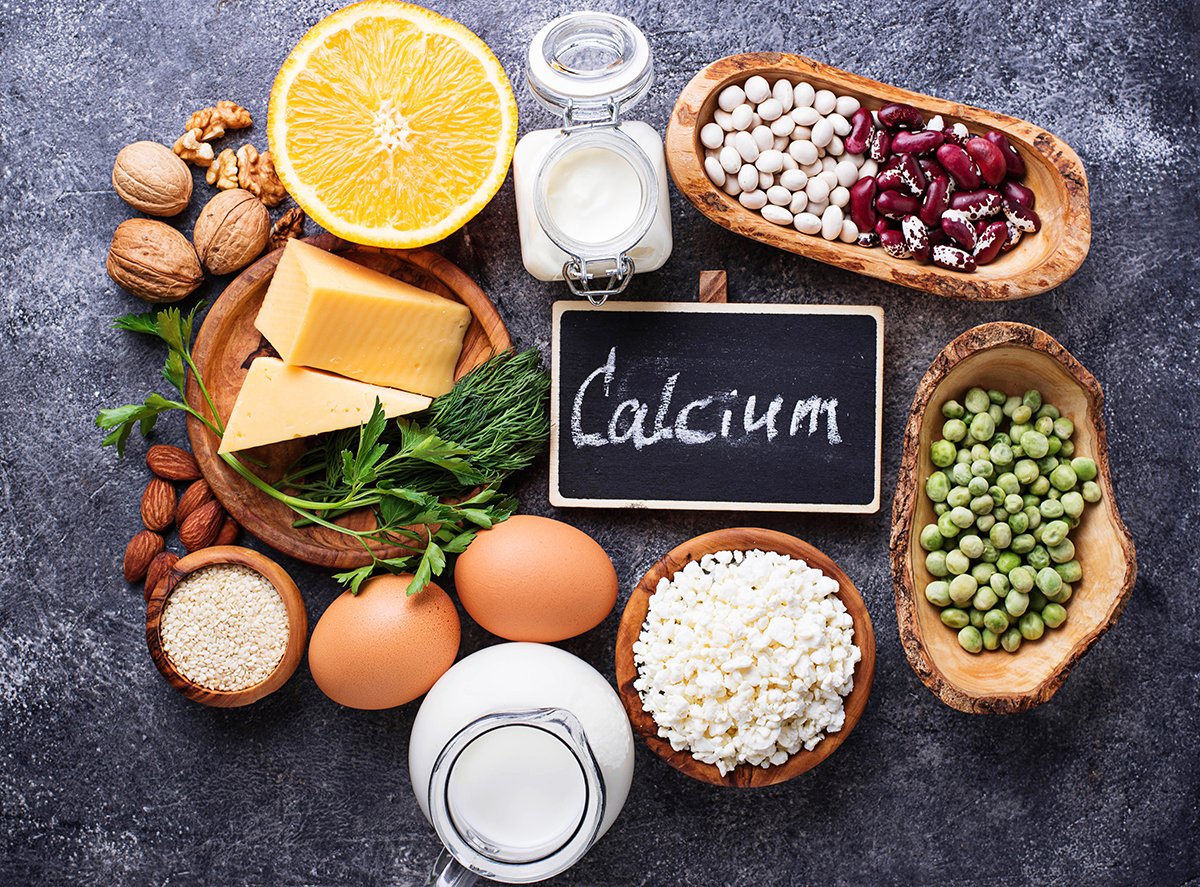
Resist Cavities in Children with Calcium, Magnesium, and Potassium
Teeth are the hardest tissue in the body and can handle lots of wear and tear. In fact, teeth are some of the most durable remains that humans leave behind after death; teeth last longer than bones.
Despite what you’ve heard on milk advertisements, calcium is not the only mineral needed for strong bones and teeth. Calcium, phosphorus, magnesium, potassium, and sodium help build teeth and keep teeth strong. Enamel is 95% calcium phosphate. Dentin is the material that makes up most of the tooth. Dentin is composed of 70% minerals, 20% type 1 collagen (think protein), and 10% water. It is primarily calcium, phosphorus, oxygen, and hydrogen. This crystalline combo is called hydroxyapatite and it is the fundamental hard ingredient in teeth and bones.
When babies and children do not get enough of these minerals, teeth may be weak or have defects. Teeth that don’t have the full collection of minerals can’t protect themselves from damage, acidic pH, or bacterial attack. These teeth may not be able to repair themselves or remineralize (a continual process whereby the tooth rebuilds itself with minerals).
Phosphorus and sodium are easy to get. We don’t usually worry about children being low in these unless they are starving or have an eating disorder. However, calcium, magnesium, and potassium can be a struggle to get enough of, especially when a child is eating a poor diet.
Top Calcium Foods
- Dairy (parmesan cheese, milk, yogurt)
- Edamame and soy products (soy milk, tofu)
- Collard greens
- Sardines with bones
- Almonds
Top Magnesium Foods
- Spinach
- Black beans
- Edamame
- Brown rice
- Avocado
Top Potassium Foods
- Sweet potatoes
- Spinach
- Broccoli
- Lentils
- Avocado

Keep a Healthy Mouth with Adequate Iron
When kids are low in iron, they are much more likely to get early childhood caries, or cavities. Scientists think this is because iron promotes healthy saliva flow,8 which constantly washes teeth and prevents too many bad microbes from sticking. Iron also is important to fight off bad bacteria and pathogens. It seems to protect teeth from acidic conditions, meaning that it keeps them strong. Iron may actually repair teeth. Even dentists use iron to bond materials like resins to teeth.9
Top Iron Foods
- Beef
- Oysters and seafood
- Dried apricots
- Large white beans
- Spinach
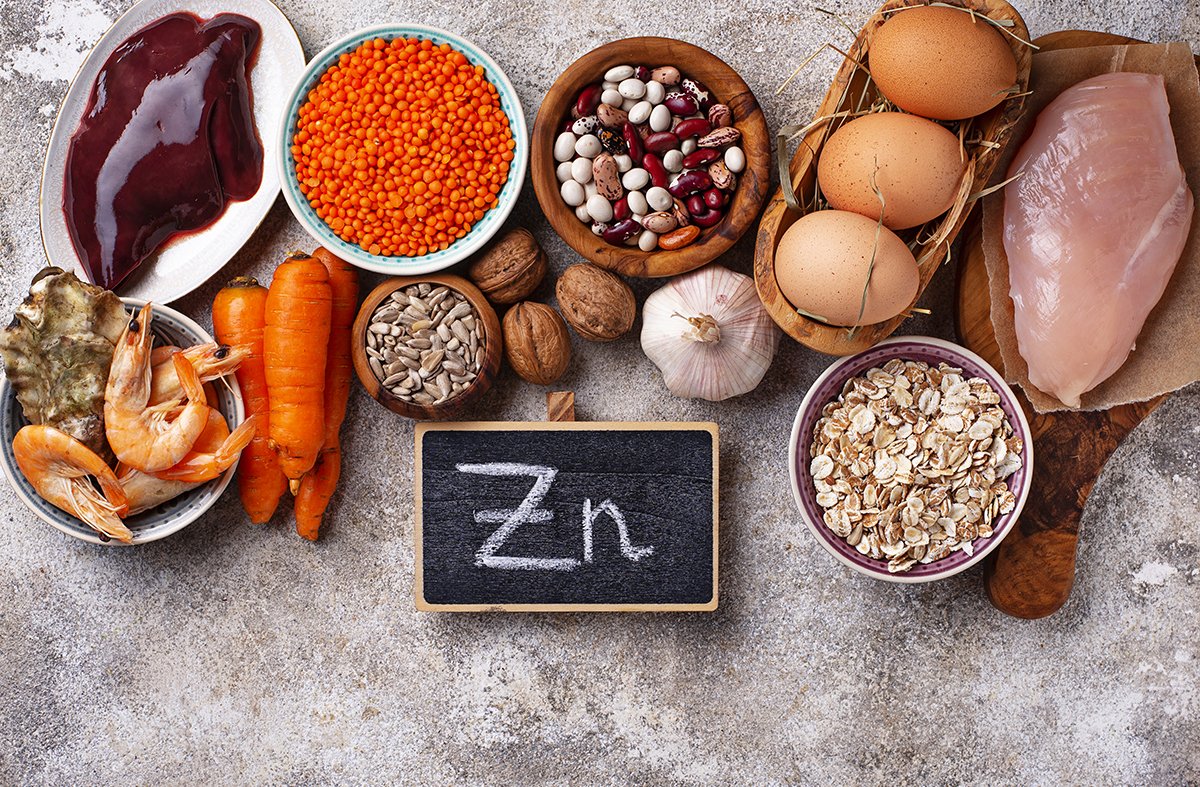
Zinc: A Team-Player for Kids’ Teeth, Good Breath, and Oral Microbiome
Zinc plays a lesser-known role in healthy teeth and gums. However, in the mouth, zinc is found in saliva, dental plaque, and in the hydroxyapatite that makes tooth enamel. Much of the zinc found in teeth is deposited before the teeth even erupt. When children have low zinc levels, they have more tooth cavities and poor gum health. Zinc is more concentrated in the top layer of the tooth enamel, adding to its strength.10 It helps resist cavities and demineralization, or tooth breakdown.
Zinc is a team player; it helps the body absorb other tooth-strengthening nutrients like vitamins A, E, and folate.10,11 The other great thing about zinc is that it fights pathogens, which is great for teeth and gums. Oh yeah, and it combats bad breath! Not a bad thing for our little munchkins.10
Top Zinc Foods
- Oysters
- Beef
- Chicken
- Squash and pumpkin seeds
- Lentils
Vitamins for Teeth Enamel: A, D, and K2
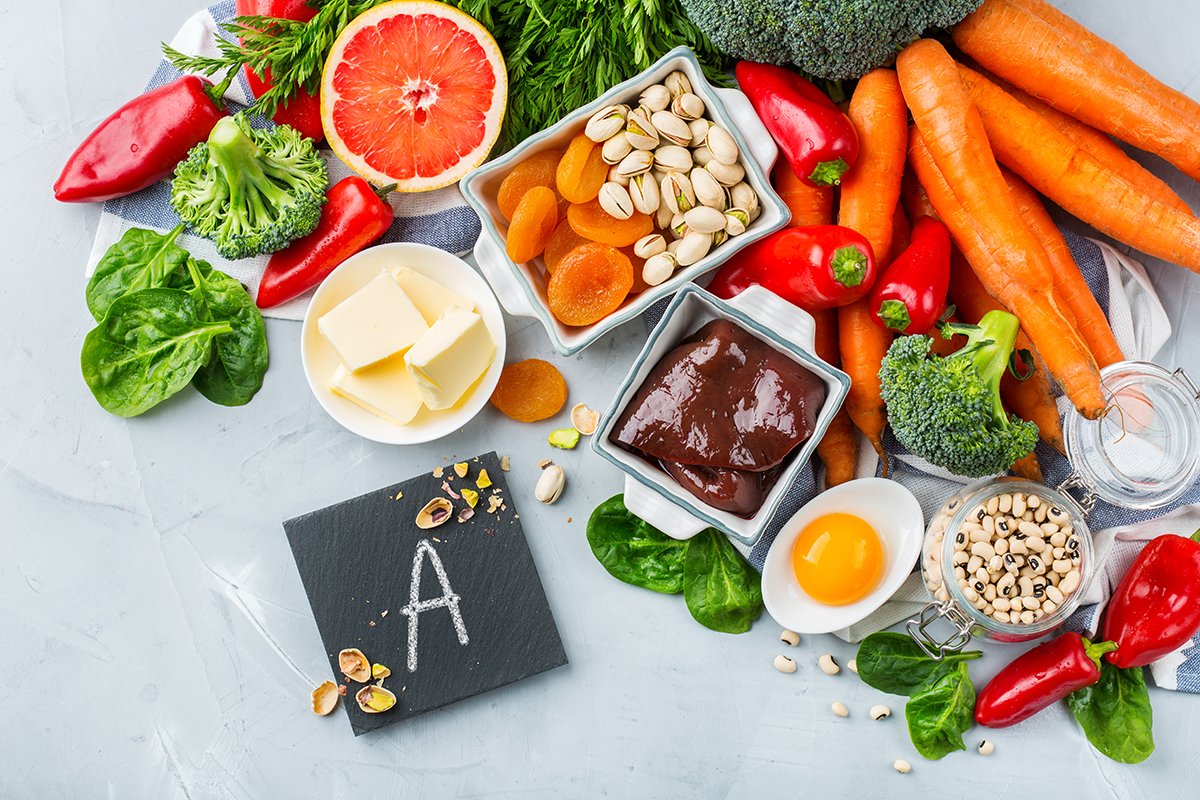
Children need vitamin D for strong teeth and bones and to help teeth erupt on time.12 Vitamins D and A are necessary for healthy enamel on teeth. Vitamin D helps build a healthy jawbone.6 Vitamin A is needed to form teeth, while vitamins D and K2 help direct that tooth formation. Vitamin A also keeps the cells that line the mouth and gums healthy (called epithelial cells).12
In Spain, researchers showed children’s risk of cavities tripled if they were deficient in vitamin D. Sadly, 50% of the children under the age of 4 were deficient in vitamin D. 5 When mothers are low in vitamin D, their children are more likely to have cavities and enamel defects.6
These fat-soluble vitamins are critical for oral health and are best taken with a fatty meal so they will absorb better into the body.
Top Vitamin A Foods
- Carrots
- Spinach
- Collard greens
- Pumpkin
- Squash
Top Vitamin D Foods
- Fatty fish like wild salmon
- Rainbow trout
- Crimini (Chestnut) mushrooms exposed to UV light
- Pork chops
- Eggs
Top Vitamin K2 Foods
- Kale
- Mustard greens
- Swiss chard
- Collard greens
- Natto
Arrrrrr Your Children Getting Enough Vitamin C for Teeth and Gum Health?
If you have ever seen a toothless sailor, you know that vitamin C is critical not just for overall health, but for gums and teeth. Infamous for killing millions of sailors in the 18th century, scurvy was a dreaded disease caused by vitamin C deficiency and cured by citrus juice.
Why? It’s because vitamin C helps make healthy dentin and tooth pulp, the inside substances of teeth. Vitamin C is needed to produce collagen, which makes strong teeth and connective tissue (such as cartilage and ligaments) that help teeth stay in place, firmly in the jaw. In fact, collagens are essential for the basic framework of the mouth tissues. Not getting enough vitamin C can cause bleeding gums,12 ulceration of the gums, and even loss of teeth.
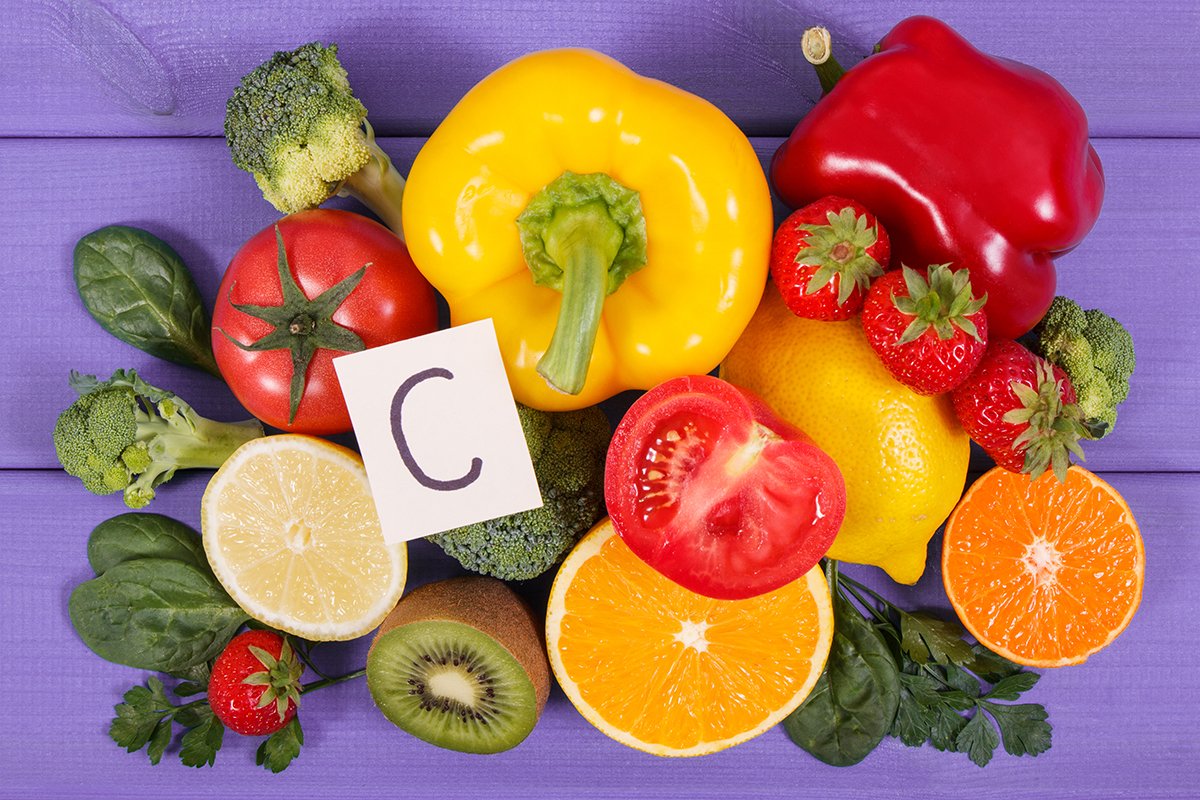
Top Vitamin C Foods
- Red bell peppers
- Kiwi
- Strawberries
- Oranges
- Broccoli
Kids Need B Vitamins for Healthy Gums
Mouth sores, ulcers, burning tongue, or bleeding gums? B vitamins are vital for keeping the plump tissues of the mouth healthy, pink, and strong. We will focus on two specific B vitamins here, but if your child struggles with oral health problems, he or she needs the full B complex for a healthy mouth.
Folate (vitamin B9) is a superstar vitamin that promotes healthy gums in children. Folate also helps build strong teeth and ligaments. It boosts circulation to the gums and reduces irritation and inflammation.
Some children may have a common genetic mutation (MTHFR) that blocks healthy folate levels. Pregnant mothers should also be alert to carrying the MTHFR gene, which could block their bodies from using folate and deprive the growing baby of folate, too. Luckily, there is a simple fix. For people with the MTHFR gene, they only need to use the active form of folate, called 5-methylfolate. This form of folate bypasses the blockage, so it can get to work immediately for good health.
How Does Folate Keep Gum Tissue Healthy?13
- Builds strong gums, ligaments, and bone
- Helps to resist oral infections
- Promotes healthy blood supply and oxygen to the mouth
- Minimizes bleeding gums
- Reduces gum inflammation
- Decreases irritation and sensitivity of the gums
- Fights gum disease
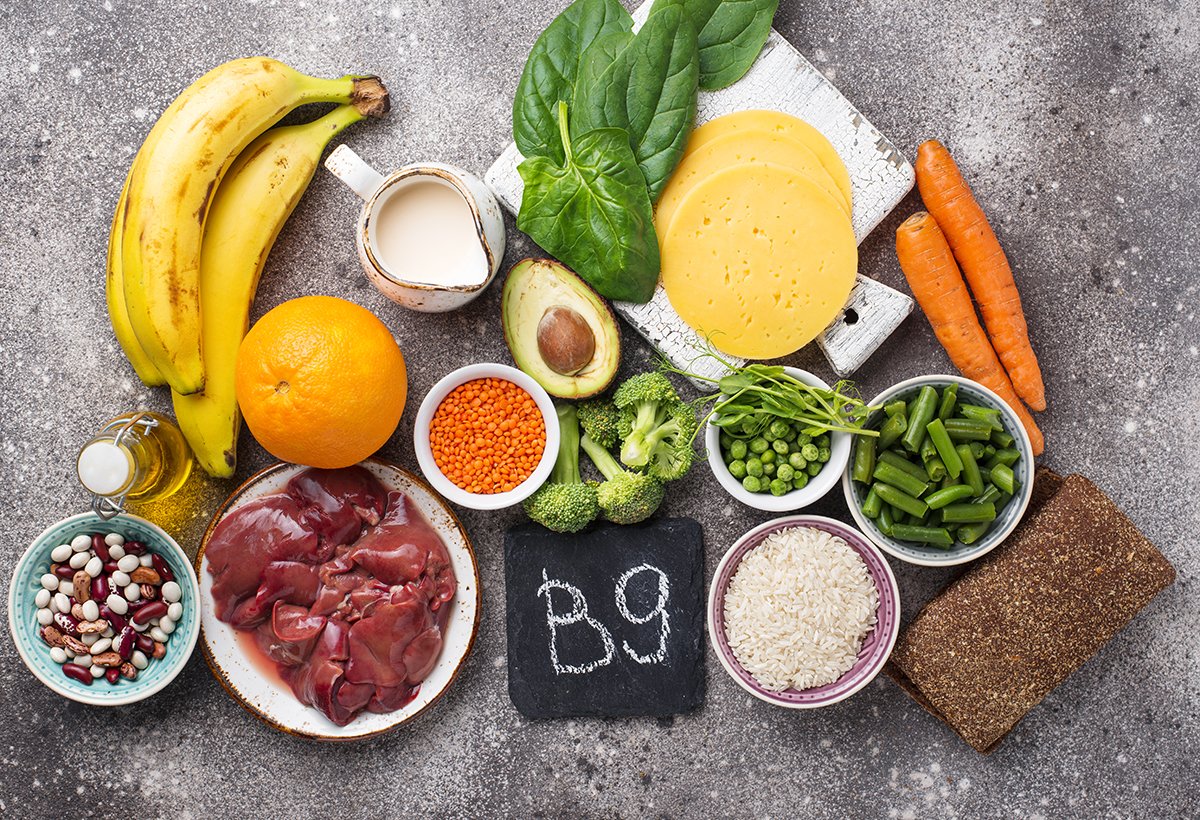
Top Folate Foods
- Liver
- Lentils
- Spinach
- Asparagus
- Peas
Vitamin B12 works hand in hand with folate to make healthy red blood cells. When a child doesn’t have enough vitamin B12, it can show up as pale gums, swollen tongue, dry mouth, and taste alterations. Vegetarians, vegans, and their infants have a higher risk of vitamin B12 deficiency because this vitamin is primarily found in animal products like milk, eggs, and fish.6
Top Vitamin B12 Foods
- Clams
- Liver
- Mackerel or sardines
- Beef
- Swiss cheese

When Diet, Dental Hygiene, and Good Nutrition Aren’t Working
Is a child in your life still struggling with cavities even though they are doing everything “right?” Or do your children have mouth sores for seemingly no reason? This can certainly happen.
Since vitamins and minerals (and protein) are so important for children’s healthy teeth, I suggest nutritional testing early on. You’ll want to make sure that the body is actually absorbing the tooth-strengthening vitamins and minerals from the diet. Nutritional tests in blood can determine if a child has enough vital nutrients for teeth strength. You can test minerals in urine, which is easier to do with young children. It may also be helpful to test for the MTHFR gene to find out if the active form of folate is best.
Clinicians and parents, here are a few things to look into when a whole-foods diet, regular dental hygiene, and good levels of vitamins and minerals are not cutting it for teeth health.
- Airway problems (mouth breathing)
- Celiac disease
- Food sensitivities
- Gut dysbiosis, including parasites1
- Heavy metal toxicity, like lead toxicity8
- Maldigestion or malabsorption
- Oral dysbiosis
You will likely need to find a holistic or biological dentist as well as an integrative and functional medicine practitioner to investigate and address these issues properly.
Testing can help identify if these may be contributing to cavities in children, poor tooth enamel, unhealthy gums, inflammation, or ulcers or sores in the mouth. Tests may include an advanced stool test, an oral microbiome test, or even an elimination and challenge food test. Hair tests for heavy metals are appropriate for young children and they are easy to collect.

Giving Your Child the Best Nutrition for a Healthy Smile
While diet and hygiene are critical factors for healthy teeth and gums, we are missing the boat if we stop there. Kids need a spectrum of vitamins and minerals to help make strong teeth that can endure wear and tear. They need vitamins and minerals to make their gums plump, healthy, and effective in warding off infections. Luckily, many of the vitamins and minerals recommended here can fall into a broad spectrum, high-quality, multivitamin-mineral: a convenient daily supplement. Children need protein, minerals, and vitamins (specifically vitamins A, C, D, K2, and active forms of B vitamins). This is in addition to a whole foods diet, very low in sweeteners and processed foods. If a child already has all of these bases covered, then look into deeper issues such as gastrointestinal imbalances, celiac disease, or food sensitivities. A lot of things go into making a healthy human being; let’s not miss a thing when it comes to giving our children healthy, cavity-free mouths.

Since 1973, DaVinci® Laboratories has been a leader in nutritional research, product development, and innovation. Our dedication to higher integrity and insistence on superior quality are reflections of our core values. Our team of experts is always willing to assist you in matters relating to nutrition. Today, DaVinci® continues to set new standards for quality and product innovation to keep you as healthy and informed as possible.
References
- Hung M, Blazejewski A, Lee S, et al. Nutritional Deficiencies and Associated Oral Health in Adolescents: A Comprehensive Scoping Review. Children (Basel). Jul 18 2024;11(7)doi:10.3390/children11070869
- Lam PPY, Chua H, Ekambaram M, Lo ECM, Yiu CKY. Does Early Childhood Caries Increase Caries Development among School Children and Adolescents? A Systematic Review and Meta-Analysis. International journal of environmental research and public health. Oct 18 2022;19(20)doi:10.3390/ijerph192013459
- Yenen Z, Atacag T. Oral care in pregnancy. J Turk Ger Gynecol Assoc. Nov 28 2019;20(4):264-268. doi:10.4274/jtgga.galenos.2018.2018.0139
- Holt R, Roberts G, Scully C. ABC of oral health. Oral health and disease. BMJ (Clinical research ed. Jun 17 2000;320(7250):1652-5. doi:10.1136/bmj.320.7250.1652
- Suarez-Calleja C, Aza-Morera J, Iglesias-Cabo T, Tardon A. Vitamin D, pregnancy and caries in children in the INMA-Asturias birth cohort. BMC Pediatr. Sep 3 2021;21(1):380. doi:10.1186/s12887-021-02857-z
- Lesic S, Ivanisevic Z, Spiljak B, Tomas M, Sostaric M, Vcev A. The Impact of Vitamin Deficiencies on Oral Manifestations in Children. Dent J (Basel). Apr 17 2024;12(4)doi:10.3390/dj12040109
- Atef Abdelsattar Ibrahim H, Abdallah Nasr R, Adel Salama A, Ahmed Amin A. Childhood malnutrition and hypo mineralized molar defects ;a cross sectional study, Egypt. F1000Research. 2021;10:1307. doi:10.12688/f1000research.74557.2
- Bowen WH. Response to Seow: biological mechanisms of early childhood caries. Community dentistry and oral epidemiology. 1998;26(1 Suppl):28-31. doi:10.1111/j.1600-0528.1998.tb02091.x
- Iranna Koppal P, Sakri MR, Akkareddy B, Hinduja DM, Gangolli RA, Patil BC. Iron deficiency in young children: a risk marker for early childhood caries. Int J Clin Pediatr Dent. Jan 2013;6(1):1-6. doi:10.5005/jp-journals-10005-1176
- Uwitonze AM, Ojeh N, Murererehe J, Atfi A, Razzaque MS. Zinc Adequacy Is Essential for the Maintenance of Optimal Oral Health. Nutrients. Mar 30 2020;12(4)doi:10.3390/nu12040949
- Atasoy HB, Ulusoy ZI. The relationship between zinc deficiency and children’s oral health. Pediatr Dent. Sep-Oct 2012;34(5):383-6.
- Tungare S, Paranjpe AG. Diet and Nutrition To Prevent Dental Problems. StatPearls. 2022.
- George JP, Shobha R, Flemingson L. Folic acid: A positive influence on periodontal tissues during health and disease. International Journal of Health & Allied Sciences. 2013;2(3):145-152.
Cass Nelson-Dooley, MS, is a researcher, author, educator, and laboratory consultant. She studied medicinal plants in the rain forests of Panama as a Fulbright Scholar and then launched a career in science and natural medicine. Early on, she studied ethnobotany, ethnopharmacology, and drug discovery at the University of Georgia and AptoTec, Inc. She joined innovators at Metametrix Clinical Laboratory as a medical education consultant helping clinicians use integrative and functional laboratory results in clinical practice. She owns Health First Consulting, LLC, a medical communications company with the mission to improve human health using the written word. Ms. Nelson-Dooley is an oral microbiome expert and author of Heal Your Oral Microbiome. She was a contributing author in Laboratory Evaluations for Integrative and Functional Medicine and Case Studies in Integrative and Functional Medicine. She has published case studies, book chapters, and journal articles about the oral microbiome, natural medicine, nutrition, laboratory testing, obesity, and osteoporosis.

