


Photo by BBH Singapore on Unsplash
Alzheimer’s isn’t just something to worry about when you’re in your golden years. It can start attacking your brain decades before you notice signs of memory loss. Over the last three decades, integrative and functional medicine has made huge strides in pinpointing root causes of Alzheimer’s disease. This article will explain the conventional approach to Alzheimer’s disease and compare it to the integrative and functional medicine approach, which is aligned with Dale Bredesen’s Alzheimer’s protocol (ReCODE). We will explore four root causes of Alzheimer’s-type dementia backed by the research, which most doctors are not talking about. Find out what tests I recommend when you want to optimize memory and clear thinking as well as natural treatments for Alzheimer’s disease. With the baby boomer generation aging rapidly, and our improved knowledge about Alzheimer’s, it’s vital to take what we know now and improve brain health as soon as possible.
We are grateful to our sponsor, Diagnostic Solutions Laboratory, for making this blog possible.
Alzheimer’s disease is responsible for 60-80% of dementia cases – that characteristic lost look in your loved one’s eyes when they don’t recognize you anymore. A little bit of lapse in memory is no problem for most of us, but Alzheimer’s can get much more serious. It is hard to organize thoughts, speak, write, handle money, and pay bills. There are mood and personality changes and increased anxiety. A person may have trouble swallowing. They aren’t themselves anymore. It can even lead to death.
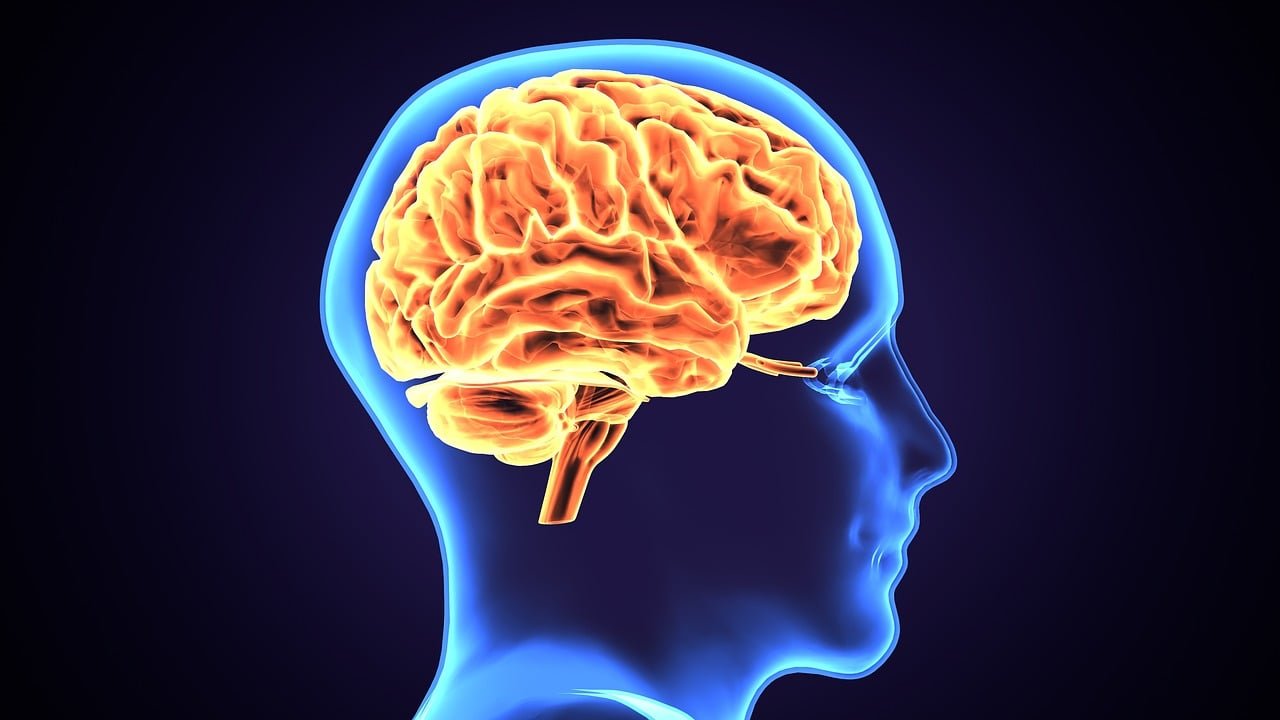
Alzheimer’s disease is a neuroinflammatory and neurodegenerative brain disease that disturbs three critical processes of healthy brain cells: communication, metabolism, and repair. Deep inside the brain, sticky clumps called amyloid plaques and twisted strands known as tau tangles start to build up between and inside brain cells.1,2 These troublemakers block communication, damage healthy cells, and eventually cause them to die. As more brain cells break down, areas responsible for memory, thinking, and behavior begin to shrink.
Most people with Alzheimer’s disease are over 65 years old, but Alzheimer’s disease can affect people under 65, too. It’s not just old age catching up—it’s a disease that changes how your brain works at the cellular level. And it starts now. Studies show that Alzheimer’s starts tearing down the brain 10 to 20 years before symptoms appear.3
What Causes Alzheimer’s Disease?
The causes of Alzheimer’s are still unknown, but most researchers believe it is a combination of environmental and genetic risk factors that work on a person for decades until it finally appears as Alzheimer’s disease.4
Established Risk Factors for Alzheimer’s Disease4
- Older age
- Family history
- Cardiometabolic disease
- Obesity
- Insulin resistance
- Hypertension
- Problems moving oxygen and blood around the body (vascular dysfunction)
- Fat metabolism imbalances
- APOE4 genotype (apolipoprotein E, allele 4)
- High lipids in blood, such as cholesterol and triglycerides
- Inflammation5
- Down syndrome
- Head trauma
Image by Peace,love,happiness from Pixabay
Conventional Medical Approach to Alzheimer’s Disease
Mainstream medicine treats Alzheimer’s symptoms with medications. However, they do not stop or reverse Alzheimer’s neurodegeneration; it continues in a forward march.6
Common treatments are cholinesterase inhibitors, which preserve the brain’s neurotransmitter acetylcholine. It can help with cognitive function and with daily living activities. These medications can slow cognitive decline. Amyloid-directed antibodies have been approved by the FDA and can interfere with the development of brain amyloid plaques and slow down cognitive decline. Partial N-methyl-D-aspartate (NMDA) antagonists are prescribed for people with moderate or severe Alzheimer’s disease. These medications are believed to prevent nerve cell damage and may help with cognition and function. Many of these treatments can have gastrointestinal side effects, dizziness, headaches, or increase the risk of fainting and subsequent hip fractures.4

Integrative and Functional Medicine Approach to Alzheimer’s Disease
Dr. Dale Bredesen, MD has been widely recognized in the integrative and functional medicine field for his work on Alzheimer’s disease, particularly tackling the underlying causes. Bredesen’s Alzheimer’s protocol addresses many factors in a person’s physiology, such as nutrition, removing toxins, decreasing inflammation, improving blood sugar, balancing hormones, exercise, sleep, and optimizing the diet. Pretty comprehensive, hunh? This is identical to integrative and functional medicine protocols, which identify and treat the root causes of disease.
Sometimes called the “Alzheimer’s Doctor,” Dr. Bredesen has published books and journal articles showing this multi-targeted protocol can reverse cognitive decline in patients with Alzheimer’s – without using medications.6-12 He has shown that the changes last, in some cases over a decade. This approach is called the Bredesen Protocol or the ReCODE Protocol and there is a certification program for integrative and functional practitioners, dentists, and dental hygienists.
Studies of Bredesen’s treatment approach are more complex than others. For example, most studies measure only one treatment at a time: Does vitamin B12 improve brain function in 100 people? In contrast, Bredesen’s studies involve precision medicine protocols for patients addressing many variables at one time. As an example: Does vitamin B12, dietary changes, removing mercury, balancing hormones, and supplying essential fatty acids improve brain function in 100 people? The answer is yes, but you can imagine the complexity!
Four Root Causes of Alzheimer’s Disease You Don’t Want to Overlook
As you can see, there are many potential factors that set someone up for Alzheimer’s dementia. I won’t address them all here, but I will focus on four big issues that can send the brain into a downward spiral. Most of these are not on the radar for the average primary care doctor or neurologist. You may have no idea these issues are at play because your doctors are not running tests for them.
#1. Gut Microbiome Imbalances in Alzheimer’s
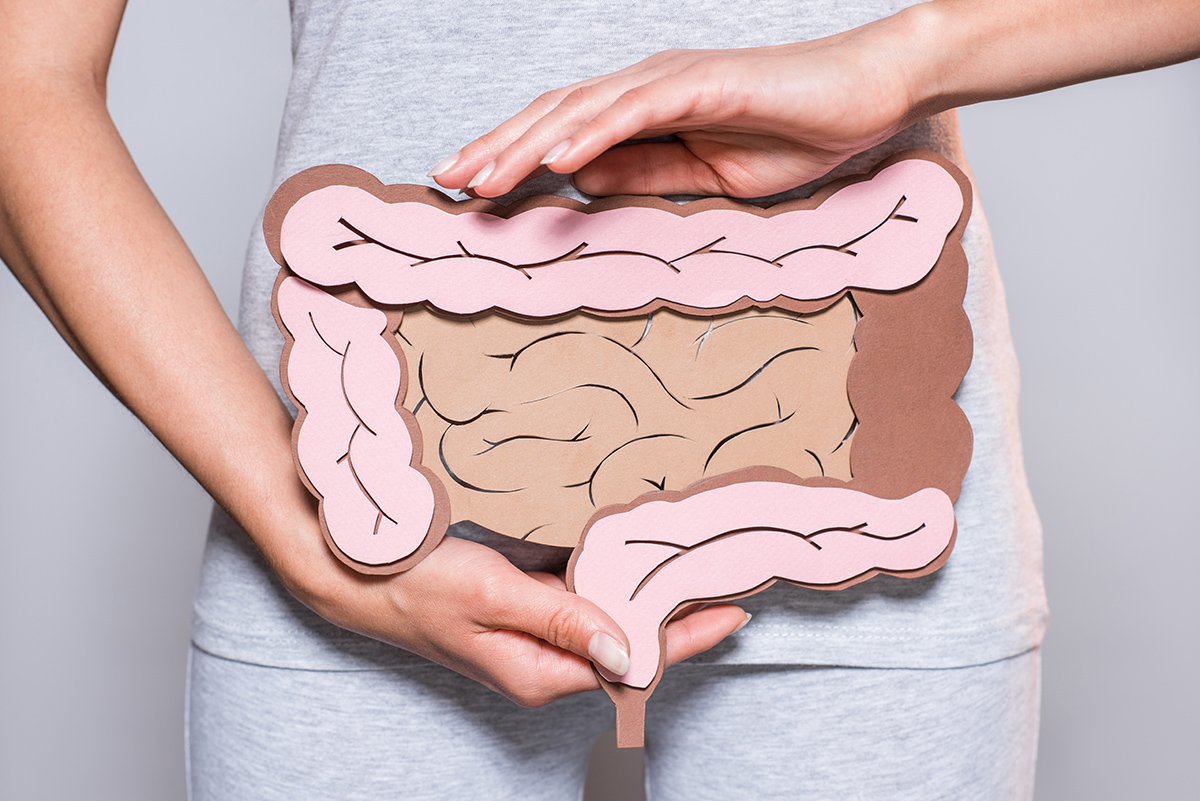
Studies have shown that the gut microbiome is out of balance in Alzheimer’s.13 The gut-brain connection is a household phrase these days. That’s because problems in the gut can manifest in the brain, too. Researchers are on board too, acknowledging a “key role of the gut microbiota” in Alzheimer’s disease.14
When we consider that Alzheimer’s is an inflamed brain; it behooves us to check the gastrointestinal tract. The gut can be a reservoir for unhealthy and unfriendly bacteria that could raise the level of inflammation in the brain.13,15 Gut dysbiosis can lead to intestinal permeability or leaky gut, allowing inflammatory molecules to reach the brain and drive Alzheimer’s neurodegeneration.16 And you may have no idea this is going on because there may be no symptoms at all!
The gut microbiome is the most diverse ecosystem of bacteria in our bodies. Trillions of microbes live in the gastrointestinal tract and they help fight infections, boost our nutrition, nourish the gut lining and fight cancer. They even tune up metabolism. A strong, healthy microbiome helps train the immune system so it knows when to attack versus when to relax.
Some people have weak, dysbiotic gut microbiomes because they don’t eat enough fiber, fermented foods, or vegetables and fruits. Or maybe they have taken multiple rounds of antibiotics, which destroys the gut microbiome. A weak microbiome means that you can’t fight off infections. You might notice that you are prone to food poisoning. Or you may have gut symptoms such as: bloating, gas, diarrhea, constipation, irregularity, reflux, or loose stools. People with autoimmune disease may have an imbalanced gut microbiome, leading to a confused immune system that attacks its own tissues by mistake. These are all signs of gut dysbiosis.
What can you do about it?
If you have symptoms of an unhealthy gut, don’t delay. Find an integrative and functional medicine practitioner to work with. You will likely run a stool test to look at the gut microbiome and find out if pathogens are contributing to inflammation. Diagnostic Solutions’ GI-MAP with the StoolOMX add-on measures the gut microbiota and their bile acid metabolites, which have been shown to be abnormal in Alzheimer’s.17
Clinicians will treat with a variety of supplements, diet, and lifestyle interventions to get your gut and brain healthier. Supplements may include probiotics, prebiotics, antimicrobials, digestive enzymes, betaine-HCl and more. Improving gut health will help calm down inflammation in the gut, which is good for the whole body. But more importantly for Alzheimer’s prevention: A healthy gut will promote a sharp and age-resistant brain.
#2. Oral Microbiome Dysbiosis in Alzheimer’s
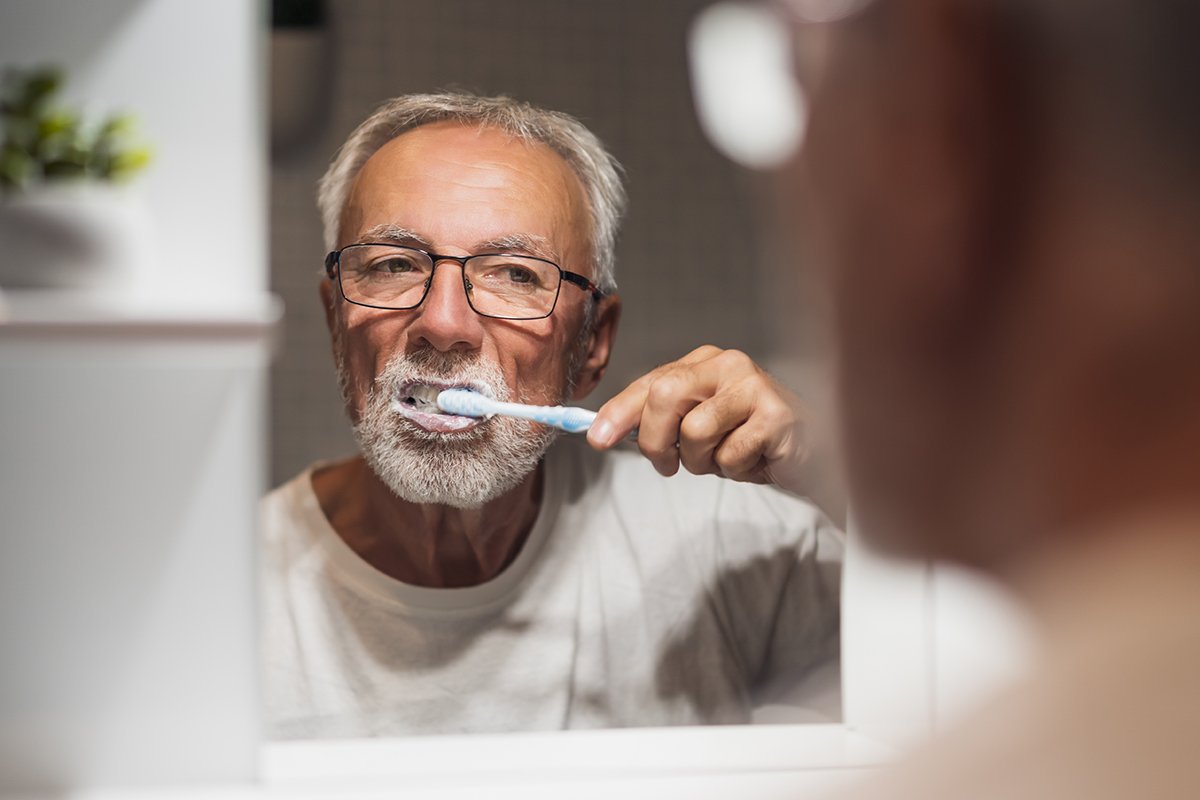
Our view of Alzheimer’s changed forever when a landmark paper showed that a pathogenic oral bacteria involved in gum disease, Porphyromonas gingivalis, is found in the brain of Alzheimer’s patients.1,18 The study looked at the connection in various ways and subsequent papers were published afterward. It was compelling evidence showing an undeniable role of this mouth bacteria in brain disease and it was a gamechanger. Today, there is more awareness that mouth infections can contribute to Alzheimer’s19 and especially the role of P. gingivalis.
Essentially, if you have gum disease or other signs of dysbiosis in the mouth, then you have unhealthy bacteria in the mouth. Dysbiosis is an imbalance of microbes that can cause unwanted symptoms. These harmful bacteria can eventually reach the brain, triggering inflammation. If we want to protect the brain from inflammation, then it’s important to shift the oral microbiome and encourage healthy, beneficial bacteria in the mouth.
What can you do about it?
Don’t ignore your oral health; your brain health depends on it. Test the oral microbiome for the pathogen P. gingivalis and other bad microbes. Work with a holistic or biological dentist who will treat mouth infections and understands the oral microbiome. You can also build up the oral microbiome to crowd out bad players like P. gingivalis. Strengthen the oral microbiome with dental probiotics, prebiotics, and a whole foods diet rich in fiber. Avoid sugar and processed foods as much as possible.

#3. Important Vitamins and Nutrition for Alzheimer’s Disease
Alzheimer’s disease is a disease of brain inflammation. When we want a strong, healthy, sharp brain into old age, then we need to give every brain cell what it needs for optimum function. The brain is a dangerous place. It’s loaded with oxygen, which both gives us life, but also can cause brain damage. Free radicals, which are unstable molecules, are one of the root causes of brain diseases. What’s more, the brain is chock-full of fats, which are easily damaged (think of oil going rancid), which later turn against us and harm the brain.
Minerals, vitamins, antioxidants, glutathione, and essential fatty acids help the brain perform at its best.20,21 They also protect the brain from its hostile, oxygen-rich environment.
Amino acids and neurotransmitters are necessary for healthy brain function. Amino acids are the building blocks of proteins. They also make neurotransmitters. These brain chemicals help us think, remember, they motivate us, make us feel pleasure, and so much more. Neurotransmitters are the messages by which brain cells send information at record speed through the nervous system. Not to mention acetylcholine, which is known to be abnormal in Alzheimer’s cognitive decline and the target of certain Alzheimer’s medications.
Metabolomics studies have shown amino acids, acylcarnitine, GABA, and phosphorylcholine were out of balance in Alzheimer’s disease.22,23 Getting enough amino acids and metabolizing them properly is therefore vital for preventing or halting Alzheimer’s.
Heavy Hitters for Alzheimer’s Disease Nutrition
- Vitamins
- Minerals
- Amino acids
- Fatty acids
- Antioxidants, including glutathione
If you eat a healthy diet, you might think you are all shored up when it comes to good nutrition. That’s only partly correct. Even in countries like the United States, there are widespread nutrition issues.
Look at vitamin D for example. Many people are “deficient” by standard lab ranges for their vitamin D blood levels. And the rest are usually “insufficient,” which is just a small step up from deficient. Very few people have optimum vitamin D levels on their blood test. That’s because having healthy levels of vitamins, minerals, amino acids, and fatty acids takes more than just eating healthy food. I see this all the time in my role as a laboratory consultant when I look at tests for vitamins, minerals, and amino acids. Even people who eat impeccable diets can still have nutritional needs.
Whether your body has optimum levels of nutrients depends on the food, the soil it was grown in, if you have good digestion, and if your gut lining is healthy for absorbing nutrients. It also depends how much nutrition your body needs. Athletes need extra, as do new mothers, and people who have a chronic illness or an injury that is healing.
What can you do about it?
Testing is the most important way to reveal if your body has enough of the vitamins, minerals, amino acids, and fatty acids needed for a healthy brain. Unfortunately, the usual panel of bloodwork ordered by most primary care physicians does not even include a short nutritional panel! Beware of any healthcare practitioner who says you have adequate nutrition without running a single nutritional test. Instead, find an integrative and functional medicine practitioner who will run nutritional tests and find out the truth of where you stand.
I like the Organic Metabolomics (OMX) urine and plasma test from Diagnostic Solutions to give information about B vitamins, amino acids, glutathione, and neurotransmitters. This is a strong test for people wanting to prevent Alzheimer’s or lessen its impacts. Other good tests to run are blood vitamins (including vitamin D, A, E), blood minerals, an iron panel, and red cell fatty acids. I also recommend a blood glutathione level. These tests help determine if the brain is strong and fortified, or if it is under attack, malnourished, and weak.
Most clinicians will make sure you are eating a whole-foods diet, rich in nutrients, vegetables, healthy fats, and adequate protein. They may recommend a foundational program of nutritional supplements. If you have problems digesting and absorbing nutrients from your food (revealed in stool testing), they may give supplements to support digestion. This helps to make sure you get all of the vitamins and minerals from your diet for brain health. They will further customize diet and supplement recommendations based on your test results.

#4. Environmental Toxins Can Lead to Alzheimer’s
Toxins have been implicated in unhealthy brain changes for a very long time.24 When I came into this industry almost 20 years ago, the focus was on aluminum and how it could harm the brain. Aluminum can be found inside the neurofibrillary tangles of Alzheimer’s brain disease.25
Heavy metals like mercury and lead are well known to destroy brain health.25 Children exposed to any measurable amount of lead have diminished intelligence. When animals are exposed to lead, they show signs of brain damage similar to Alzheimer’s, along with oxidative stress. And the famous “Mad Hatter” character in Alice’s Adventures in Wonderland? He was the poster boy of a neurological disorder in hat-makers caused by mercury, which was used to process animal fur into felt hats in the 18th and 19th centuries.
Mercury Heavy Metal Poisoning Symptoms
- Cough
- Gastrointestinal symptoms
- Skin rash
- Irritability and nervousness
- Memory changes
- Insomnia
- Gingivitis
- Mood changes
- Personality changes
- Tremors
- Weakness
Unfortunately, the list of neurotoxins goes on and on. Pesticides, solvents, plastics, herbicides, and more. Toxins from mold can contribute to the development of Alzheimer’s.24 Toxins can inflame brain cells, damage them with free radicals, kill them, or even promote brain plaques and tau tangles- all of which can drive Alzheimer’s.24 When someone is having serious trouble with cognitive function, memory, and learning, then a workup for environmental toxins is needed.
What can you do about it?
There is a whole field of integrative and functional medicine that specializes in “environmental medicine.” These clinicians are attuned to the toxins in the environment and how to remove them and clear them from the body.
When dealing with a toxin, the main goal is to completely remove it from your environment. After that, you can help the body with diet, supplements, and lifestyle changes to clear it out of the body. Usually, people have to make significant lifestyle changes. They may need to overhaul their kitchen: change out dishes that they eat off of; the pots and pans that they cook in; and how they store food. They may need to test their water. They will need to get rid of certain foods and eat organic vegetables, fruit, and meats. If mercury is high in tests, they may stop eating tuna and get mercury amalgams removed.
There are tests available to investigate which toxins might be building up in the body. The OMX measures glutathione need as well as a short list of toxins and detoxification markers. Further testing for specific toxins may be needed. Practitioners usually try to figure this out based on a patient’s clinical history. Heavy metals, pesticides, volatile solvents, herbicides, bisphenol A, and glyphosate are toxicity tests currently available in integrative and functional medicine. Some people have jobs where they were exposed to large amounts of chemicals; for them, testing may not be needed. For example, a pest man, a hair dresser, a farmer doing conventional agriculture, an airline stewardess, or jet mechanic. These roles involve obvious toxic exposures and a knowledgeable environmental medicine provider will know how to move forward. Military personnel who have visited toxic sites may not even know what they’ve been exposed to.
Even if you didn’t have a job that involved toxic chemicals, we are all exposed to toxins every day. You may not show symptoms, or your symptoms may be vague and non-specific. So, it’s a good idea to test your levels and make your home and work environments as safe as you can.

Image by Solie Jordan from Pixabay
Get Rid of Hidden Infections, Avoid Toxins, and Boost Nutrition for Sharper Memory
If you or someone you love is struggling with Alzheimer’s disease, consider root causes that are not usually on the radar for the average Alzheimer’s disease doctor. One area to check is the microbiome – it is particularly important to identify and address gut infections or mouth infections. Both can present a huge problem for memory, clear thinking, and staying sharp. Address microbial imbalances and restore good bacteria levels, which will encourage an anti-inflammatory state in the brain. Work on giving the brain what it needs for everyday function in the form of vital nutrients such as vitamins, minerals, antioxidants, fatty acids. Don’t forget amino acids, which run the communication networks of the brain and spinal cord. Lastly, remove harmful substances that wear down and weaken the brain. Testing can help pinpoint a person’s unique constellation of issues that may be setting them up for brain inflammation. A knowledgeable integrative and functional medicine provider will prescribe diet and lifestyle changes, similar to the Bredesen protocol for Alzheimer’s, which can help turn the tables for a failing brain. We don’t have to wait until old age to give the brain a winning chance. Decades earlier we can take these four steps to stay quick, witty, and have a memory like a steel trap well into our golden years.
Prevent, Stop, or Reverse Alzheimer’s with Natural Diet and Lifestyle Treatments
- Eat a whole-foods, fiber-rich, colorful, low-sugar diet to support your microbiome.
- Use probiotics and prebiotics to promote healthy microbiota in the mouth and gut.
- Get your oral microbiome tested to make sure it is free of bacterial infections that harm the brain.
- Work with a holistic or biological dentist to treat bad oral bacteria if they show up.
- Find an integrative and functional medicine provider who will test your gut microbiome with the GI-MAP with StoolOMX.
- Avoid antibiotics unless necessary.
- Check your B vitamins, antioxidants like glutathione, amino acids, and neurotransmitters with an Organic Metabolomics (OMX) test.
- Test your levels of vitamin D, minerals, and fatty acids.
- Follow a nutritional support plan tailored to your unique test results with the help of your healthcare provider.
- Clean up your home: switch to non-toxic cookware, eat organic, and filter your air and water.
- Get tested for heavy metals or environmental toxins—especially if you’ve had a high-exposure job.
- Work with an integrative or environmental medicine doctor to safely detoxify the body using diet, supplements, and lifestyle changes.
Diagnostic Solutions Laboratory bridges the gap between healthcare providers and the clinical laboratory by offering cutting-edge laboratory tests such as GI-MAP, OMX (Organic Metabolomics), IgG Food Explorer, IgE Allergy Explorer, CytoDX, and GenomicInsight. Designed to identify underlying root causes of symptoms and disease, our test results give practitioners the tools needed to formulate personalized treatment protocols for optimized patient outcomes. Our commitment to education and service ensures both practitioners and their patients will benefit from the latest research.
References
- Ryder MI. Porphyromonas gingivalis and Alzheimer disease: Recent findings and potential therapies. Journal of periodontology. Oct 2020;91 Suppl 1:S45-S49. doi:10.1002/JPER.20-0104
- Hansson O, Lehmann S, Otto M, Zetterberg H, Lewczuk P. Advantages and disadvantages of the use of the CSF Amyloid beta (Abeta) 42/40 ratio in the diagnosis of Alzheimer’s Disease. Alzheimers Res Ther. Apr 22 2019;11(1):34. doi:10.1186/s13195-019-0485-0
- Jack CR, Jr., Knopman DS, Jagust WJ, et al. Tracking pathophysiological processes in Alzheimer’s disease: an updated hypothetical model of dynamic biomarkers. Lancet Neurol. Feb 2013;12(2):207-16. doi:10.1016/S1474-4422(12)70291-0
- Lakhan SE. Alzheimer Disease Treatment & Management. Medscape. Updated July 29, 2024. Accessed June 24, 2025. https://emedicine.medscape.com/article/1134817-treatment#d11
- Twarowski B, Herbet M. Inflammatory Processes in Alzheimer’s Disease-Pathomechanism, Diagnosis and Treatment: A Review. International journal of molecular sciences. Mar 30 2023;24(7)doi:10.3390/ijms24076518
- Bredesen DE, Ross MK, Ross S. Sustained Cognitive Improvement in Alzheimer’s Disease Patients Following a Precision Medicine Protocol: Case Series. Biomedicines. Aug 6 2024;12(8)doi:10.3390/biomedicines12081776
- Shetty P, Youngberg W. Clinical Lifestyle Medicine Strategies for Preventing and Reversing Memory Loss in Alzheimer’s. Am J Lifestyle Med. Sep-Oct 2018;12(5):391-395. doi:10.1177/1559827618766468
- Gregory J, Vengalasetti YV, Bredesen DE, Rao RV. Neuroprotective Herbs for the Management of Alzheimer’s Disease. Biomolecules. Apr 8 2021;11(4)doi:10.3390/biom11040543
- Bredesen DE, Toups K, Hathaway A, et al. Precision Medicine Approach to Alzheimer’s Disease: Rationale and Implications. J Alzheimers Dis. 2023;96(2):429-437. doi:10.3233/jad-230467
- Toups K, Hathaway A, Gordon D, et al. Precision Medicine Approach to Alzheimer’s Disease: Successful Pilot Project. J Alzheimers Dis. 2022;88(4):1411-1421. doi:10.3233/jad-215707
- Rao RV, Subramaniam KG, Gregory J, et al. Rationale for a Multi-Factorial Approach for the Reversal of Cognitive Decline in Alzheimer’s Disease and MCI: A Review. International journal of molecular sciences. Jan 14 2023;24(2)doi:10.3390/ijms24021659
- Bredesen DE, Amos EC, Canick J, et al. Reversal of cognitive decline in Alzheimer’s disease. Aging. Jun 2016;8(6):1250-8. doi:10.18632/aging.100981
- Zhuang ZQ, Shen LL, Li WW, et al. Gut Microbiota is Altered in Patients with Alzheimer’s Disease. J Alzheimers Dis. 2018;63(4):1337-1346. doi:10.3233/jad-180176
- Bou Zerdan M, Hebbo E, Hijazi A, et al. The Gut Microbiome and Alzheimer’s Disease: A Growing Relationship. Current Alzheimer research. 2022;19(12):808-818. doi:10.2174/1567205020666221227090125
- Vogt NM, Kerby RL, Dill-McFarland KA, et al. Gut microbiome alterations in Alzheimer’s disease. Scientific reports. Oct 19 2017;7(1):13537. doi:10.1038/s41598-017-13601-y
- Kowalski K, Mulak A. Brain-Gut-Microbiota Axis in Alzheimer’s Disease. Journal of neurogastroenterology and motility. Jan 31 2019;25(1):48-60. doi:10.5056/jnm18087
- MahmoudianDehkordi S, Arnold M, Nho K, et al. Altered bile acid profile associates with cognitive impairment in Alzheimer’s disease-An emerging role for gut microbiome. Alzheimer’s & dementia : the journal of the Alzheimer’s Association. Jan 2019;15(1):76-92. doi:10.1016/j.jalz.2018.07.217
- Pritchard AB, Crean S, Olsen I, Singhrao SK. Periodontitis, Microbiomes and their Role in Alzheimer’s Disease. Front Aging Neurosci. 2017;9:336. doi:10.3389/fnagi.2017.00336
- Lakhan S. Alzheimer Disease. Medscape. Accessed May 20, 2020. https://emedicine.medscape.com/article/1134817-overview#a1
- Lorenzo-Mora AM, Lozano-Estevan MDC, Ghazi Y, González-Rodríguez LG. [Alzheimer’s disease. Current evidence on the preventive role of nutrition]. Nutr Hosp. Nov 22 2023;40(Spec No2):41-45. Enfermedad de Alzheimer. Evidencia actual sobre el papel preventivo de la nutrición. doi:10.20960/nh.04954
- Śliwińska S, Jeziorek M. The role of nutrition in Alzheimer’s disease. Roczniki Panstwowego Zakladu Higieny. 2021;72(1):29-39. doi:10.32394/rpzh.2021.0154
- Horgusluoglu E, Neff R, Song WM, et al. Integrative metabolomics-genomics approach reveals key metabolic pathways and regulators of Alzheimer’s disease. Alzheimer’s & dementia : the journal of the Alzheimer’s Association. Jun 2022;18(6):1260-1278. doi:10.1002/alz.12468
- Ambeskovic M, Hopkins G, Hoover T, Joseph JT, Montina T, Metz GAS. Metabolomic Signatures of Alzheimer’s Disease Indicate Brain Region-Specific Neurodegenerative Progression. International journal of molecular sciences. Sep 30 2023;24(19)doi:10.3390/ijms241914769
- Vasefi M, Ghaboolian-Zare E, Abedelwahab H, Osu A. Environmental toxins and Alzheimer’s disease progression. Neurochemistry international. Dec 2020;141:104852. doi:10.1016/j.neuint.2020.104852
- Huat TJ, Camats-Perna J, Newcombe EA, Valmas N, Kitazawa M, Medeiros R. Metal Toxicity Links to Alzheimer’s Disease and Neuroinflammation. Journal of molecular biology. Apr 19 2019;431(9):1843-1868. doi:10.1016/j.jmb.2019.01.018
Cass Nelson-Dooley, MS, is a researcher, author, educator, and laboratory consultant. She studied medicinal plants in the rain forests of Panama as a Fulbright Scholar and then launched a career in science and natural medicine. Early on, she studied ethnobotany, ethnopharmacology, and drug discovery at the University of Georgia and AptoTec, Inc. She joined innovators at Metametrix Clinical Laboratory as a medical education consultant helping clinicians use integrative and functional laboratory results in clinical practice. She owns Health First Consulting, LLC, a medical communications company with the mission to improve human health using the written word. Ms. Nelson-Dooley is an oral microbiome expert and author of Heal Your Oral Microbiome. She was a contributing author in Laboratory Evaluations for Integrative and Functional Medicine and Case Studies in Integrative and Functional Medicine. She has published case studies, book chapters, and journal articles about the oral microbiome, natural medicine, nutrition, laboratory testing, obesity, and osteoporosis.


I am incredibly grateful to share that I was completely cured of Alzheimer disease/Dementia, Neuropsychiatric lupus, and Meniere’s disease (along with the frequent vertigo and tinnitus that came with it) through a natural remedy provided by EarthCure Herbal Clinic. After many years of suffering and losing hope, their treatment truly transformed my life. I highly recommend EarthCure to anyone facing similar health challenges. Their expertise and holistic approach saved my life when I thought there was no way out of these complicated health conditions. You can visit their remarkable website at http://www.earthcureherbalclinic.com, where you’ll find more information and resources. You can also reach out to them directly at info@earthcureherbalclinic.com to begin your own revival journey. I can’t emphasize enough how much they’ve done for me. I never believed that I would recover from such severe illnesses, but EarthCure proved me wrong. I am now living a healthy, symptom-free life, and I owe it all to their effective and compassionate care. Thank you, EarthCure, for giving me back my life.
After my wife was diagnosed with breast cancer, it felt like our world was falling apart. With the guidance and care of Dr. Kokobi, we began to find hope again. My wife followed the treatment plan he provided, and over time her health has greatly improved. We are truly grateful to God for using him in her healing journey. I sincerely recommend kokobiherbalremedycentre@gmail.com for his support, care, and dedication.
Finding a good practitioner can be a challenge, but I’m glad you and your wife found good care.